Bristlenose plecos are the pleco most keepers should buy and the one most keepers never get told about. The common pleco sold as a “tank cleaner” outgrows a typical aquarium and can pass a foot in length. The bristlenose stays around 4-5 inches, tolerates a wide range of water, and does what people actually want from a pleco: it grazes algae and biofilm without bulldozing the tank.
This guide covers tank size, setup, a realistic diet, how to tell males from females, and how breeders get them to spawn. It is written for keepers who want one or two for a community tank and for breeders who want a dependable cave-spawning catfish that pays for its own feed.
What a Bristlenose Pleco Is
“Bristlenose” is a trade name for several Ancistrus species and a number of selectively bred varieties. Wild-type fish are mottled brown or olive with pale spots; common aquarium morphs include albino, calico, and long-finned (“super red” and similar) forms. Care is essentially the same across them.
- Adult size: usually about 4-5 inches
- Lifespan: commonly reported at 5-10 years with stable water
- Temperament: peaceful toward other species; males can be territorial with each other over caves
- Activity: mostly nocturnal, so expect to see them in the evening and early morning
Tank Size and Setup
The usual floor is a 20-gallon tank for one bristlenose. A 20-gallon long is better than a tall 20 because they use floor and wood surface, not height. Keep one male per tank unless it is a large, well-structured setup with many caves, since males defend their sites.
Water parameters most keepers aim for:
- Temperature: roughly 72-80°F
- pH: about 6.5-7.5, and they adapt to moderately hard water
- Nitrate: kept low with weekly water changes
Hardscape is not optional. Provide at least one cave per fish: a short length of PVC pipe, a ceramic cave, a coconut shell, or a hollow in a piece of wood. Add driftwood as well. Bristlenose plecos rasp wood, and many keepers feel that gives them roughage; grazing on it is natural behavior, not a sign of a problem. Choose smooth substrate, either sand or rounded gravel, so their sucker mouths and bellies are not scraped.
Filtration: plecos produce a surprising amount of waste for their size, so filtration should be rated above the tank volume. Moderate flow with good oxygenation suits them. See the Best Canister Filters guide or the Best HOB Filters guide for primary filtration. In a breeding or grow-out tank, a sponge filter is safer for fry, and the Best Sponge Filters guide compares options.
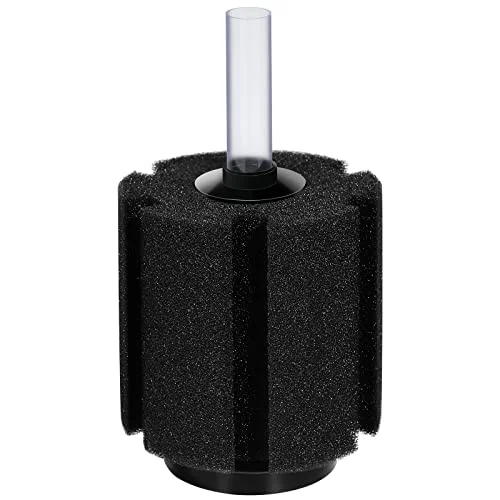
AQUANEAT Aquarium Bio Sponge Filter
Best Fry Tank Filter- ✓ Safe for newly hatched pleco fry
- ✓ Adds oxygen, which plecos and eggs both like
- ✓ Inexpensive enough to run in every tank
- ✗ Needs an air pump and airline tubing
- ✗ Too small to be the only filter on a heavily stocked 55-gallon
Never add a pleco to an uncycled tank. If your tank is new, read the Tank Cycling Guide first. A heater helps in cool rooms; the Best Aquarium Heaters guide lists dependable options.
Large weekly water changes (25-40%) suit this fish, and a conditioner that handles chlorine and chloramine is essential.
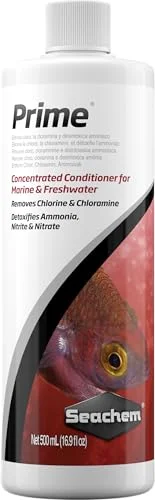
Seachem Prime, 500 ml
Shrimp-Safe Dechlorinator- ✓ Concentrated, so one bottle covers many large water changes
- ✓ Safe for plecos, shrimp, and snails
- ✓ Handy when water changes are big, as they should be for a pleco tank
- ✗ Strong sulfur smell
- ✗ Ammonia binding is temporary
Water Quality and Medication Cautions
Catfish have little to no scales and are generally more sensitive to some medications and salt than scaled fish, so follow label directions closely and dose conservatively. Treat sick fish in a separate hospital tank when you can.
Shrimp-safe note: many fish medications contain copper, which is toxic to shrimp and snails. If your pleco shares a tank with shrimp, check every medication, algaecide, and fertilizer label for copper before dosing. Bristlenose plecos themselves are fine with adult dwarf shrimp, but tiny shrimplets can be eaten by almost any fish. See the Shrimp Tank Mates guide for a fuller breakdown.
Diet and Feeding
The most common bristlenose mistake is assuming the fish lives on algae. In most tanks there is not enough algae to feed it, and a hungry pleco loses condition slowly. Feed it deliberately.
- Staple: a plant-based sinking wafer a few times a week, dropped in after the lights dim.
- Fresh vegetables: blanched zucchini, cucumber, or sweet potato, left in for a day and then removed. Many keepers weight a slice with a plant clip or a fork.
- Wood: keep driftwood in the tank at all times.
- Occasional protein: bloodworms, brine shrimp, or daphnia once a week or so. They are mostly vegetarian but accept animal foods.
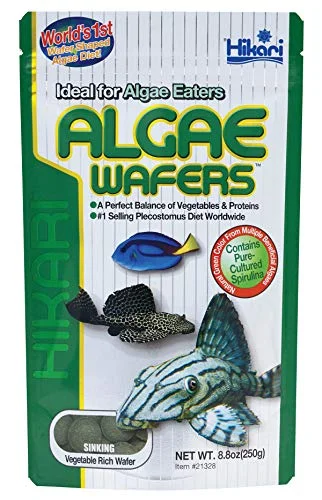
Hikari Algae Wafers, 8.8 oz
Best Staple Food- ✓ Sinks fast, so a nocturnal pleco finds it after lights-out
- ✓ Plant-based formula suits a mostly vegetarian catfish
- ✓ Large container covers several tanks
- ✓ Holds its shape for hours instead of clouding the water
- ✗ Not a complete diet without fresh vegetables and wood
- ✗ Midwater fish will grab pieces on the way down
Freeze-dried bloodworms work well as a protein treat, and they matter most when you are conditioning a pair for spawning. Soak them first so they sink.
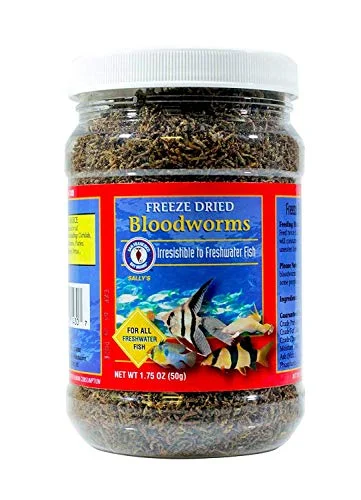
San Francisco Bay Brand Freeze-Dried Bloodworms, 1.75 oz
Best Protein Treat- ✓ Shelf-stable protein for the occasional treat
- ✓ Useful for conditioning a breeding pair
- ✓ Soaked pieces sink readily
- ✗ Costly per ounce
- ✗ Plecos need it only occasionally, so a bottle lasts a long time
Remove uneaten vegetables within a day to keep the water clean. A pleco with a visibly sunken belly is usually underfed, not just shy.
Tank Mates
Bristlenose plecos are peaceful and mix with most community fish.
Good tank mates:
- Small tetras, rasboras, and danios
- Guppies, mollies, and platies
- Corydoras and otocinclus, provided each gets food
- Cherry barbs
Poor tank mates:
- Large cichlids that harass or outcompete bottom fish
- Slow, flat-bodied fish that a pleco may rasp on, such as discus or some fancy goldfish
- Another male bristlenose in a small tank
Male or Female?
Sexing is easy once fish are about 2-3 inches. Males grow branched, tentacle-like bristles across the head and snout, and adult males often have a broader head. Females carry only a few small bristles around the edge of the snout, or none. This is the feature that gives the fish its name.
Breeding Bristlenose Plecos
Bristlenose plecos are among the easiest catfish to breed in a home aquarium, which is why a pair can easily lead to dozens of fish.
- Set up caves. Offer a few cave options, ideally 1.5-2 inches wide and with a single opening. Lay PVC pipe or a ceramic tube on its side on the substrate.
- Condition the pair. Feed vegetables and wafers regularly, with protein once or twice a week, and keep water clean.
- Trigger with a water change. A large cool water change is the usual nudge, often several degrees under tank temperature.
- The male takes over. He claims a cave and entices the female in. She lays a clutch of orange eggs on the ceiling, and he guards them.
- Leave the male alone. He fans and cleans the eggs. Eggs commonly hatch in about 4-7 days, depending on temperature, and the male typically stays with the fry until they leave the cave.
- Fry absorb their yolk sac over the next several days and stay hidden. Once they emerge, feed crushed algae wafer, blanched vegetables, and fine sinking foods.
Moving the entire cave (with the male) to a small tank with a sponge filter is the usual way to protect fry from other fish. A sponge filter is safe for new fry, so bring one with you.
Be realistic about demand. Common bristlenose fry are inexpensive, and a productive pair can overwhelm a small local market. Plan where the fry go before you encourage spawning, and consider rarer color forms if you want a better price.
Common Problems
Hiding all day
Normal for a nocturnal fish, especially a new one. Offer more caves and feed after lights-out.
Thin body, sunken belly
Usually not enough food. Add wafers and vegetables and keep wood in the tank.
Rasping at a tank mate
Occasionally a pleco grazes slime coat on slow, flat-sided fish. Separate them if it happens repeatedly.
Sudden deaths after adding to a new tank
Often an uncycled tank or poor acclimation. Follow the Fish Acclimation Guide and drip-acclimate new arrivals.
Frequently Asked Questions
How big do bristlenose plecos get?
Most reach about 4-5 inches. A few varieties and wild-type Ancistrus run slightly larger.
What size tank does a bristlenose pleco need?
A 20-gallon long is the usual minimum for one fish. Add roughly 10 gallons for each additional bristlenose and plenty of caves.
What do bristlenose plecos eat?
Mostly plant matter: sinking algae wafers, blanched vegetables, and driftwood to graze on, with an occasional protein treat.
Do bristlenose plecos need driftwood?
Hobbyists widely recommend it. Plecos rasp wood as part of normal feeding behavior, and it also gives shelter.
Can bristlenose plecos live with shrimp?
Generally yes with adult dwarf shrimp. Shrimplets may get eaten, and copper-based medications must be avoided.
How can I tell if my bristlenose is male or female?
Adult males have branching bristles on the head and snout; females have few or none.
Are bristlenose plecos hard to breed?
No. A pair with a suitable cave, regular feeding, and clean water often spawns without much encouragement.
Conclusion
A bristlenose pleco does well with a 20-gallon or larger tank, smooth substrate, a cave per fish, driftwood, and a steady supply of wafers and vegetables rather than reliance on tank algae. Get those basics right and you have a hardy fish that lives for years.
For most keepers the best choice is a single bristlenose in a cycled 20-gallon long or larger community tank, fed sinking wafers a few times a week. If you want to breed them, add a pair, a few ceramic or PVC caves, and a sponge-filtered grow-out tank before the first clutch appears.