Corydoras are among the most useful community fish in freshwater aquariums: small, peaceful, constantly active on the bottom, and unusually easy to breed compared with most catfish. They are also among the most commonly mistreated, usually kept as a lone “cleanup” fish on gravel, fed nothing but leftovers, and expected to survive. That treatment shortens lives and wears down their barbels.
This guide covers the most popular species, the group size and substrate that keep them healthy, a realistic diet, safe tank mates, and how breeders get them to spawn. It is aimed at keepers setting up a first group and at breeders who want a reliable egg-layer to add to a rack.
Species Overview
Corydoras are armored catfish from South American rivers and streams. There are well over a hundred described species, but a handful account for most of what is sold.
| Species | Adult Size | Notes |
|---|---|---|
| Bronze / green cory (C. aeneus) | about 2.5-3 in | Hardy, the usual beginner choice; albino and other color forms are common |
| Peppered cory (C. paleatus) | about 2.5-3 in | Tolerates cooler water than most, so it suits unheated rooms |
| Panda cory (C. panda) | about 2 in | Prefers somewhat cooler, soft water; sensitive to poor substrate |
| Pygmy cory (C. pygmaeus) | about 1 in | Swims in midwater as well as the bottom; suits nano tanks |
| Dwarf / habrosus cory (C. habrosus) | about 1 in | Small and shy; needs a larger group to feel secure |
| Julii / trilineatus cory | about 2.5 in | Often mislabeled in stores; one of the most frequently confused groups |
Species names in the trade are messy, and several fish sold as “julii” are actually look-alike species. Treat the label as a guide rather than a guarantee and buy from a seller who keeps the species separated.
Group Size and Tank Size
Corydoras are shoaling fish. Keep a minimum of six of one species. Singles and pairs tend to hide and eat poorly, while a group forages in the open and shows the behavior people buy them for. Mixed-species groups work in a large tank, but corydoras prefer their own kind when choosing a shoal.
- Dwarf and pygmy species: a 10-gallon tank handles a group of six
- Standard species (bronze, peppered, panda): a 20-gallon long is a better floor than a 10, because they need floor space more than height
- Temperature: roughly 72-78°F suits most species; peppered corys tolerate the low end better, and pandas prefer it
- Lid: corydoras occasionally dart to the surface to gulp air, which is normal, and they can jump when startled, so keep the tank covered
Substrate: The Part Most Keepers Get Wrong
Corydoras root through the bottom with their barbels all day. Sharp gravel wears those barbels down, and worn barbels invite infection and make feeding harder. Fine, smooth sand is the best choice. Rounded, smooth gravel is a workable second choice, but sand lets them act naturally.
Rinse sand thoroughly before use and stir the surface occasionally so it does not compact into anaerobic pockets. Avoid crushed coral or aragonite sands for softwater species like pandas, since they raise hardness and pH.
Filtration and Water Quality
Corydoras are sensitive to ammonia and nitrite, and they breathe from the surface as well as through their gills, so a clean, well-oxygenated tank matters. A cycled tank is non-negotiable. If the tank is new, read the Tank Cycling Guide and wait; adding corydoras to an uncycled tank is a common reason groups die in the first weeks.
A sponge filter is an excellent match for corydoras. The flow is gentle, there is no intake to snag small fish or eggs, and it also aerates the water. Compare options in the Best Sponge Filters for Guppy and Shrimp Tanks guide.
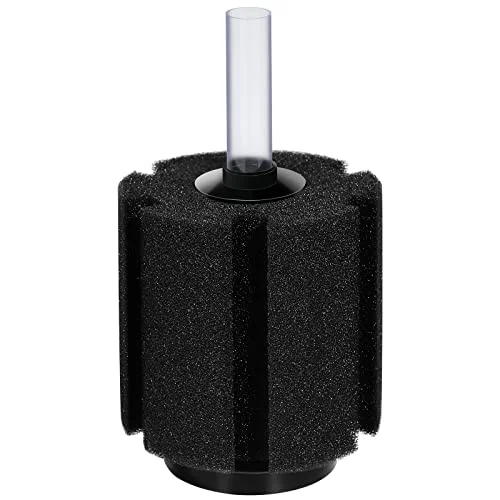
AQUANEAT Aquarium Bio Sponge Filter
Best Breeding Tank Filter- ✓ Gentle flow that corydoras and fry tolerate well
- ✓ No intake that traps eggs or fry
- ✓ Cheap enough to run one per tank
- ✗ Needs an air pump and airline tubing
- ✗ Bubbling can be noisy without a quality pump
Weekly partial water changes keep nitrates low. Catfish are generally more sensitive than scaled fish to some medications and salt-based treatments, so dose medications conservatively and follow label directions closely. A shrimp-safe dechlorinator that carries no copper is the safest default for a tank that may also hold shrimp or snails; see the Best Dechlorinators guide for comparisons.
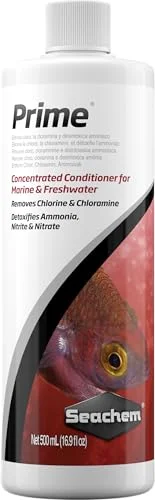
Seachem Prime, 500 ml
Shrimp-Safe Dechlorinator- ✓ Concentrated, so one bottle lasts many water changes
- ✓ Handy during cycling and after a water-change mishap
- ✓ Safe for corydoras, shrimp, and snails
- ✗ Strong sulfur smell
- ✗ Ammonia binding is temporary — not a substitute for water changes
Shrimp-safe note: corydoras are fine with dwarf shrimp as adults, but many fish medications contain copper, which is toxic to shrimp and snails. If you keep corydoras in a tank with shrimp, check every medication and fertilizer label for copper before dosing, and treat sick fish in a separate hospital tank whenever possible.
Diet and Feeding
Corydoras are omnivores that scavenge insects, worms, and plant matter along the bottom. They are not janitors that live on leftovers. Food that lands on the sand and gets ignored by other fish is rarely enough for a group.
- Staple: a sinking wafer or sinking pellet fed once a day, sized so the whole group gets some. Feed after the lights dim if midwater fish tend to beat them to the food.
- Protein treats 2-3 times a week: frozen or freeze-dried bloodworms, brine shrimp, and daphnia. Soak freeze-dried foods first so they sink and do not swell after being swallowed.
- Greens: blanched zucchini or cucumber is accepted by many groups.
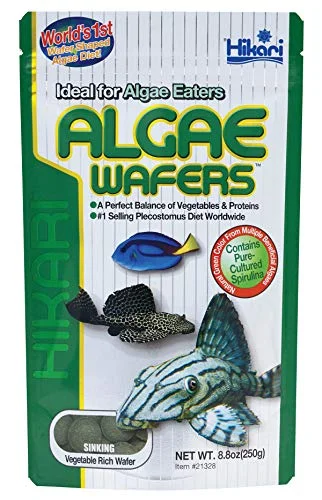
Hikari Algae Wafers, 8.8 oz
Best Staple Sinking Food- ✓ Sinks right away, so corydoras reach it before midwater fish do
- ✓ Wafer softens in water without dissolving into a cloud
- ✓ Large container is economical across several tanks
- ✓ Easy to break into pieces for small groups
- ✗ Plant-based, so it needs a protein treat alongside it
- ✗ Fast midwater eaters can still steal pieces on the way down
Freeze-dried bloodworms are the most reliable protein treat for conditioning a group for spawning, and plain brine shrimp are a cheaper way to add variety.
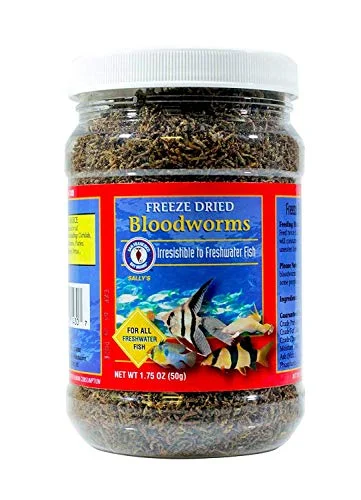
San Francisco Bay Brand Freeze-Dried Bloodworms, 1.75 oz
Best Protein Treat- ✓ Rich protein source that fish take eagerly
- ✓ Shelf-stable, no freezer needed
- ✓ Soak before feeding so it sinks and doesn't swell in the gut
- ✗ Costly per ounce for a daily staple
- ✗ Floats until soaked
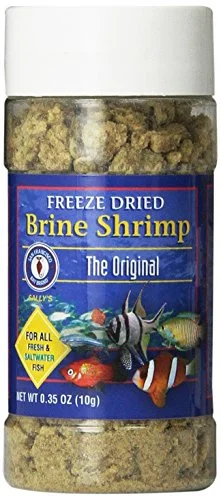
San Francisco Bay Brand Freeze-Dried Brine Shrimp, 10 g
Best Budget Treat- ✓ Inexpensive way to add variety
- ✓ Small pieces suit smaller corydoras species
- ✓ Long shelf life
- ✗ Lower in nutrition than a complete wafer
- ✗ Floats until soaked
Feed only what the group finishes in a few minutes. Uneaten wafers foul the sand, and a dirty substrate is exactly what causes barbel erosion. For fry-sized foods see the Best Fry Food guide.
Tank Mates
Corydoras are peaceful and mix well with most small community fish.
Good tank mates:
- Small tetras, rasboras, and danios in the upper and middle water
- Guppies, mollies (see the Molly Fish Care Guide), and platies
- Cherry barbs
- Otocinclus and other peaceful bottom dwellers
- Dwarf shrimp and snails, with the usual caveat that very small shrimplets can be eaten by almost any fish
Poor tank mates:
- Large or aggressive cichlids that harass bottom fish
- Fin-nippers, which target the corydoras’ dorsal fin
- Very fast, boisterous feeders that leave nothing for the bottom
Adult dwarf shrimp generally coexist with corydoras. For a deeper compatibility breakdown see the Shrimp Tank Mates guide.
Breeding Corydoras
Corydoras are egg-scatterers that spawn readily when conditions change, which makes them one of the easier catfish to breed at home. Many hobbyists describe the trigger as a mimic of the rainy season.
- Condition the group for a couple of weeks with protein-rich foods, with more males than females if possible. Males are usually slimmer; females are rounder when viewed from above.
- Trigger spawning with a large cool water change, often several degrees below the tank temperature, and a drop in temperature. Some keepers also raise the tank slightly after the change.
- Watch for the “T-position”: the female holds the male’s barbels, clasps eggs in her pelvic fins, and then places the sticky eggs on glass, plants, or equipment.
- Remove the eggs or move the adults. Adults will eat eggs, so most breeders either lift the eggs off the glass with a gentle fingertip roll or use a separate hatching container.
- Hatching typically takes a few days at room temperature. Use a sponge filter and gentle aeration in the rearing tank so fry are never pulled into an intake.
- Feed fry newly hatched baby brine shrimp or finely crushed food once the yolk sac is absorbed, then move to crushed sinking food.
Fungus on eggs is the main failure point. Keepers commonly remove white or fuzzy eggs promptly so the fungus does not spread to healthy ones, and some add a small amount of methylene blue to the hatching container. Check the label first, since methylene blue is not appropriate in tanks with plants or shrimp.
Common Problems
Red or eroded barbels
Usually caused by sharp substrate or dirty sand. Switch to fine sand, clean the surface, and keep nitrates low.
Corydoras hiding or not eating
Often a group that is too small, aggressive tank mates, or food that midwater fish eat first. Increase the group and feed sinking food after lights-out.
Gulping air at the surface
An occasional dart to the surface is normal. Frequent gasping suggests low oxygen or elevated ammonia and nitrite. Test the water and add more aeration.
Sudden deaths after adding to a new tank
Often an uncycled tank or poor acclimation. Follow the Fish Acclimation Guide and drip-acclimate new arrivals.
Frequently Asked Questions
How many corydoras should I keep together?
At least six of one species. They are social fish, and smaller groups hide and feed poorly.
Do corydoras need sand?
They do best on sand. Smooth, rounded gravel is acceptable, but sharp gravel wears the barbels and can lead to infections.
What do corydoras eat?
Sinking wafers or pellets as a staple, with bloodworms, brine shrimp, and daphnia a few times a week. They need to be fed directly, not left to scavenge scraps.
Can corydoras live with bettas or shrimp?
Corydoras usually share a tank with bettas that are not aggressive and with adult dwarf shrimp. Very small shrimplets can be eaten, and a given betta may harass bottom fish, so watch behavior closely.
How long do corydoras live?
Many species live roughly 5 years or more in stable, clean tanks, with some reported to live considerably longer. Lifespan varies by species and care.
Are corydoras hard to breed?
No. Conditioning on protein foods and a large cool water change often triggers spawning. The harder part is saving the eggs from the adults and from fungus.
Do corydoras need a heater?
Most species do best in the low to upper 70s°F, so a heater is useful in cooler rooms. Peppered cory tolerates cooler water than most. See the Best Aquarium Heaters guide if you need one.
Conclusion
Corydoras reward a little attention to the basics: a group of six or more, fine sand, a cycled tank, and a real feeding routine of sinking wafers plus protein treats. Get those four things right and they are active, long-lived, and one of the easiest egg-laying fish to breed.
For most keepers the best starting point is a group of bronze or peppered corydoras on sand in a 20-gallon tank with a sponge filter, fed a quality sinking wafer daily. Pandas and pygmy species are better second steps once the first group is settled.