Cherry shrimp are some of the most rewarding invertebrates in the freshwater hobby. They breed readily, eat algae and biofilm, and add constant movement to a planted tank. But the moment you add the wrong fish, your thriving colony can vanish overnight.
The truth is that most fish will eat baby shrimp if given the opportunity. Even “peaceful” community fish will snack on shrimplets small enough to fit in their mouths. The key is choosing species with mouths too small to eat adult shrimp and temperaments calm enough to mostly ignore juveniles — or providing enough cover that enough babies survive to sustain the colony.
The Golden Rule: Mouth Size Matters
If a fish can fit an adult cherry shrimp in its mouth, it will eventually try. If it can fit a baby shrimp in its mouth, it absolutely will. This eliminates the majority of common community fish right away.
The safest tank mates have mouths smaller than 3-4mm and lack the predatory instinct to actively hunt invertebrates. The next tier includes fish that will eat some babies but generally leave adults alone — workable if your colony is established and you have dense plant cover.
Safe Tank Mates (Low Risk)
Otocinclus Catfish
Otos are the gold standard shrimp-safe fish. They are strict herbivores that spend their entire day grazing algae off glass, leaves, and hardscape. They have zero interest in shrimp of any size. Keep them in groups of 6 or more, and make sure your tank has enough biofilm and algae to support them — supplementing with blanched zucchini if needed.
Pygmy Corydoras (Corydoras pygmaeus)
At barely an inch long, pygmy cories are too small to bother adult shrimp and mostly ignore juveniles. They occupy the bottom third of the tank, sifting through substrate for micro-organisms. Their peaceful schooling behavior makes them ideal companions. Keep at least 8-10 for proper schooling.
Ember Tetras
Ember tetras max out at about 0.8 inches. Their mouths are tiny enough that even newborn shrimp are usually safe. They school in the mid-water column and rarely interact with bottom-dwelling shrimp. Their warm orange coloration also complements the red of cherry shrimp beautifully.
Chili Rasboras (Boraras brigittae)
Another micro fish that tops out under an inch. Chili rasboras are shy, slow-moving, and prefer densely planted tanks — the same environment cherry shrimp thrive in. They will not hunt shrimplets and spend most of their time hovering among plant stems.
Nerite Snails
Not a fish, but worth mentioning. Nerite snails are completely shrimp-safe, eat algae aggressively, and will not reproduce in freshwater. They are the perfect cleanup crew companion for a shrimp tank.
Malaysian Trumpet Snails
MTS burrow through substrate during the day and come out at night. They aerate the substrate, eat detritus, and completely ignore shrimp. The tradeoff is that they reproduce quickly, but in a shrimp tank, a healthy MTS population actually helps keep things clean.
Moderate Risk Tank Mates (Some Baby Losses)
Celestial Pearl Danios
CPDs are gorgeous micro fish, but they are more predatory than their size suggests. Adults will pick off newborn shrimp in open water. In a heavily planted tank with moss and floating plants, enough babies will survive to maintain the colony. In a sparse tank, you will notice your shrimp population stagnating.
Endler’s Livebearers
Endlers are small and generally peaceful, but they are opportunistic feeders with slightly larger mouths than ember tetras. They will eat shrimplets they stumble across. An established colony in a planted tank can usually absorb these losses, but do not expect maximum breeding output.
Bristlenose Plecos
Bristlenose plecos are primarily herbivores and too slow to catch adult shrimp. However, they are large enough to accidentally crush or disturb molting shrimp, and may eat very young shrimplets that wander into their grazing path. In a tank 20 gallons or larger with plenty of cover, the risk is minimal.
Kuhli Loaches
Kuhli loaches are nocturnal and spend most of their time hiding in substrate or behind hardscape. They occasionally eat shrimplets they encounter at night, but their slow, snaky movement means they are not efficient predators. Keep the tank heavily planted and most of your colony will be fine.
High Risk — Avoid These Fish
Bettas
The internet is full of people claiming bettas and shrimp coexist peacefully. Some do — until they do not. Bettas are ambush predators with excellent eyesight, and many will systematically hunt and eat every shrimp in the tank. Even “peaceful” bettas may suddenly decide shrimp are food. The risk is too high for a breeding colony.
Angelfish
Angelfish are cichlids. They will eat every shrimp they can catch, including full-grown adults. Their laterally compressed bodies let them navigate planted tanks efficiently. This is not a compatible pairing under any circumstances.
Gourami (most species)
Dwarf gouramis, pearl gouramis, and honey gouramis all have mouths large enough to eat adult cherry shrimp. Some hobbyists report success with honey gouramis in heavily planted tanks, but losses will be significant. If your goal is a thriving shrimp colony, skip gouramis entirely.
Barbs (Tiger, Rosy, etc.)
Most barb species are active, nippy, and have mouths large enough to eat shrimp. Tiger barbs in particular are aggressive enough to hunt adult neocaridina. Cherry barbs are a partial exception — see below — but most barbs are a hard no.
Goldfish
Goldfish eat everything that fits in their mouth, including adult shrimp. They also produce far too much waste for shrimp to thrive. Completely incompatible.
Cherry Barbs: The Exception Among Barbs
Cherry barbs deserve a special mention. Unlike their tiger barb cousins, cherry barbs are relatively peaceful and their mouths are small enough that adult shrimp are safe. They will eat some baby shrimp, placing them firmly in the “moderate risk” category, but in a planted tank with adequate cover, a shrimp colony can sustain itself alongside a school of cherry barbs.
Making a Community Tank Work
If you want to keep shrimp with fish, stack the odds in favor of the shrimp:
Dense Plant Cover
Java moss, Christmas moss, subwassertang, and floating plants like red root floaters create a maze that baby shrimp can hide in but fish cannot navigate. The more cover you provide, the higher your shrimplet survival rate.
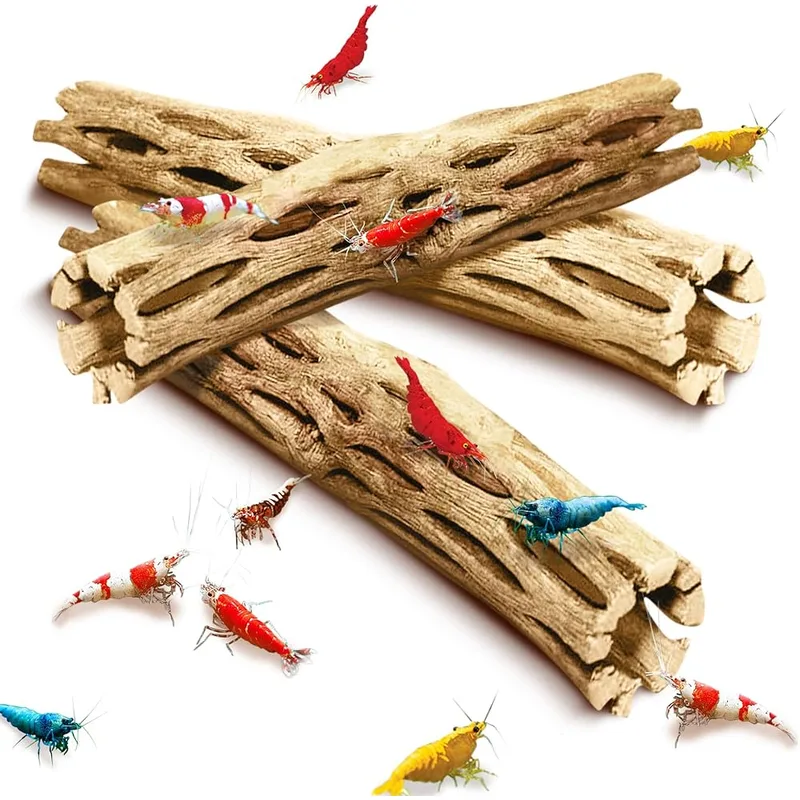
SubstrateSource Natural Cholla Wood
Best Natural Hide- ✓ Grows biofilm that shrimp graze on constantly
- ✓ Hollow interior provides natural hiding spots for shrimplets
- ✓ Sinks after brief soaking
- ✗ Can develop white fungal film initially
- ✗ Breaks down over 1-2 years and needs replacement
Cholla wood is particularly effective because its hollow tubes create natural tunnels only shrimp can access. As the wood ages, it grows biofilm that feeds both adult and baby shrimp.
Shrimp Hides
Purpose-built shrimp hides with small entrance holes give your colony safe spaces that fish cannot access. Place them near the substrate where berried females tend to hang out.
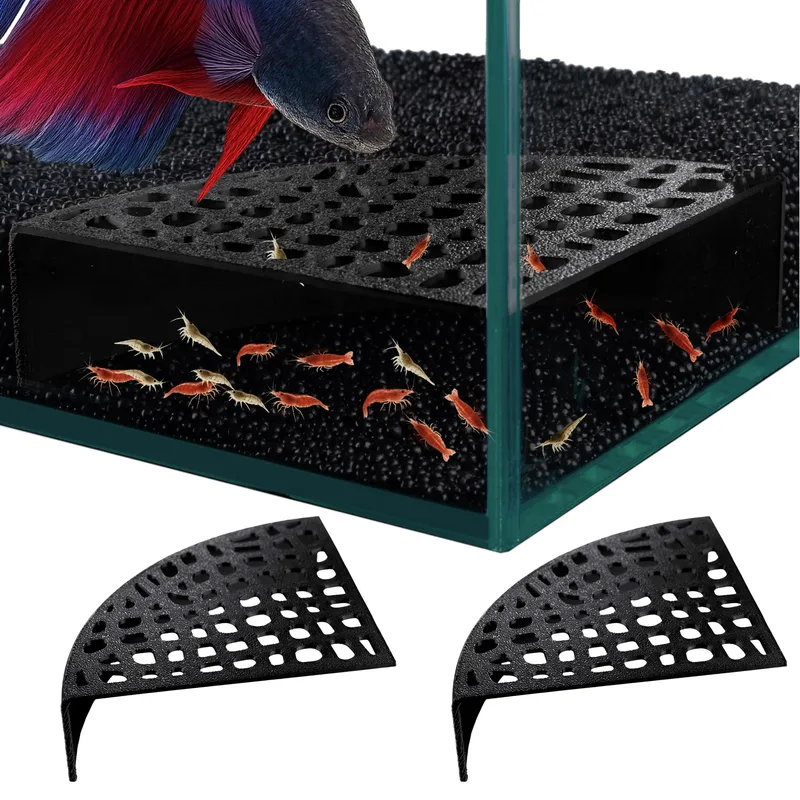
HERPDEN 2-Pack Shrimp Hides
Best Shrimp Hide- ✓ Multiple hole sizes let shrimp enter but exclude larger fish
- ✓ Provides safe molting space in community tanks
- ✓ Dark color blends with most substrates
- ✗ Holes may be too large to fully exclude some micro predators
- ✗ Lightweight — can shift on fine sand substrates
Feed the Fish Well
Hungry fish are more likely to hunt shrimp. Keep your fish well-fed with appropriate food, and they will be less motivated to chase down shrimplets. A fine powdered food also provides nutrition for baby shrimp that fish food pellets are too large for.
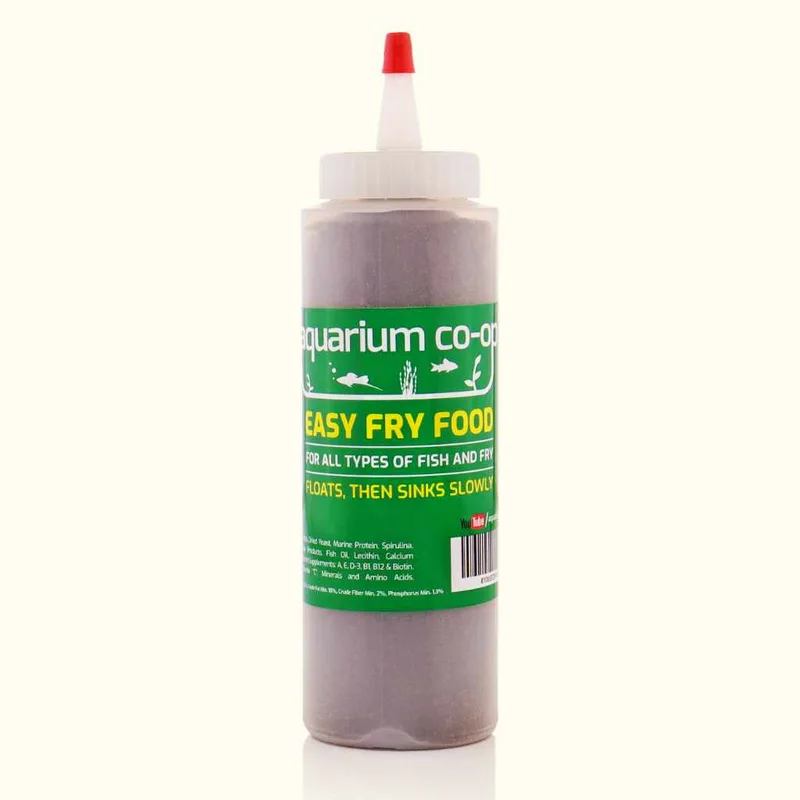
Aquarium Co-Op Easy Fry and Small Fish Food
Best for Shrimplets- ✓ Fine particle size perfect for baby shrimp and nano fish
- ✓ High protein supports shrimplet growth
- ✓ Does not cloud water when fed in small amounts
- ✗ Only available direct from Aquarium Co-Op
- ✗ Small container for the price
Start with a Large Colony
Do not add 10 shrimp to a fish tank and hope for the best. Start with at least 20-30 shrimp and let them establish before adding any fish. A large colony can absorb occasional predation losses more easily than a small starter group.
Tank Size Matters
A 10-gallon tank gives shrimp nowhere to hide from curious fish. In a 20-gallon or larger tank, shrimp can spread out and use plant cover more effectively. The larger the tank, the more likely your shrimp and fish will simply ignore each other.
The Shrimp-Only Argument
Here is the honest take: if your primary goal is breeding cherry shrimp and maximizing colony growth, keep a shrimp-only tank. No fish means zero predation, zero competition for food, and maximum shrimplet survival. A 10-gallon planted shrimp tank can produce hundreds of offspring per year with minimal effort.
Add fish only if you genuinely want a mixed community and are willing to accept slower colony growth. The fish listed in the “safe” category above will have minimal impact, but even the safest fish is not as safe as no fish at all.
Frequently Asked Questions
Can I keep amano shrimp with cherry shrimp?
Yes. Amano shrimp are larger and more assertive feeders, but they do not prey on neocaridina. They will outcompete cherry shrimp for food in some cases, so make sure you are feeding enough for both species.
Will mystery snails eat baby shrimp?
No. Mystery snails are herbivores and detritivores. They are completely safe with shrimp of all sizes. Their only downside is producing a lot of waste in smaller tanks.
Can I add shrimp to an existing fish tank?
You can, but drip-acclimate the shrimp carefully and add them at night when fish are less active. Provide plenty of hiding spots before introducing the shrimp so they have immediate refuge.
Do cherry shrimp eat fish food?
Yes. Cherry shrimp are omnivorous scavengers that will eat flake food, pellets, algae wafers, and pretty much anything else that sinks to the bottom. This actually works in your favor in a community tank — less uneaten food means better water quality.
How many cherry shrimp per gallon?
A common guideline is 5-10 shrimp per gallon in a well-maintained, cycled tank. Shrimp have a much lower bioload than fish, so overstocking is rarely an issue as long as you stay on top of water changes and do not overfeed.