Amano shrimp (Caridina multidentata) are the hobby’s go-to answer for a hair algae outbreak that nothing else will touch. They’re bigger and tougher than cherry shrimp, they tolerate a wider swing in water hardness than most dwarf shrimp, and a group of them can visibly clean up a neglected planted tank within a couple of weeks.
They’re not, however, a drop-in fix for every algae problem, and they have a few care quirks — jumping, a two-stage larval life cycle, and picky diet needs once the algae runs out — that trip up people who buy them expecting a “set and forget” cleanup crew. This guide covers water parameters, algae control realistically, diet, tank mates, and the common problems that show up in home aquaria.
Species Overview
- Scientific name: Caridina multidentata (formerly Caridina japonica)
- Common names: Amano shrimp, Yamato shrimp, algae shrimp
- Adult size: 1.5-2 inches — noticeably larger than Neocaridina or Caridina dwarf shrimp
- Lifespan: 2-3 years, sometimes longer in stable conditions
- Origin: Streams and rivers in Japan and Taiwan
- Temperament: Peaceful, social, most active grazing along glass, hardscape, and plant leaves
Amano shrimp were popularized by aquascaper Takashi Amano, who used them to control algae in his planted tanks without resorting to algaecides. That’s still their primary role in the hobby today.
Water Parameters
Amano shrimp are more forgiving on hardness than Neocaridina or Caridina, which makes them a good fit for tanks with harder, more alkaline tap water where cherry shrimp or crystal reds would struggle.
| Parameter | Range |
|---|---|
| Temperature | 64-82°F |
| pH | 6.5-8.0 |
| GH | 6-20 |
| KH | 3-15 |
| TDS | 150-400 |
| Ammonia/Nitrite | 0 ppm |
| Nitrate | Under 20 ppm |
If your source water tests below GH 6, a remineralizer keeps Amano shrimp out of the soft-water range where molting problems become common.
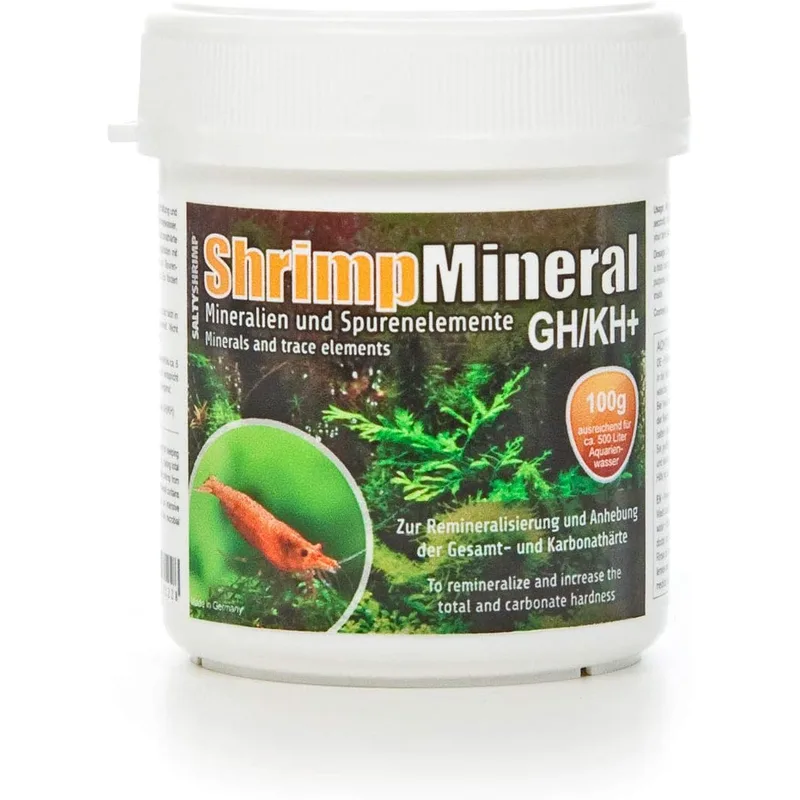
SaltyShrimp Shrimp Mineral GH/KH+
Best GH/KH Remineralizer- ✓ Raises GH and KH together to the moderate-hard range Amano prefer
- ✓ Dissolves cleanly with no residue or cloudiness
- ✓ A trusted formula in the shrimp-keeping hobby for years
- ✓ Small doses go a long way in a standard water change routine
- ✗ 100g runs out quickly for larger tanks — a 750g size is available
- ✗ Only needed if your source water is soft; hard tap water may not need it
Compare that range against the Neocaridina Shrimp Care Guide and Caridina Shrimp Care Guide — Amano fall between the two but lean toward Neocaridina-style tolerance, which is why they’re often recommended as a beginner’s first shrimp.
Tank Setup
A 10-gallon tank comfortably houses a small group of 3-5 Amano shrimp; more shrimp and more surface area means more effective algae control, so a 20-gallon or larger is a better fit if the goal is cleaning up a persistent algae problem. Keep a secure, tight-fitting lid — Amano shrimp are strong jumpers and climbers, and an uncovered tank or a filter intake tube left as an escape route is a common way to lose them overnight.
Filtration matters more than tank size for shrimp survival. Standard hang-on-back and canister filter intakes can pull in shrimplets and molting adults, so an intake sponge or a dedicated sponge filter removes that risk entirely.
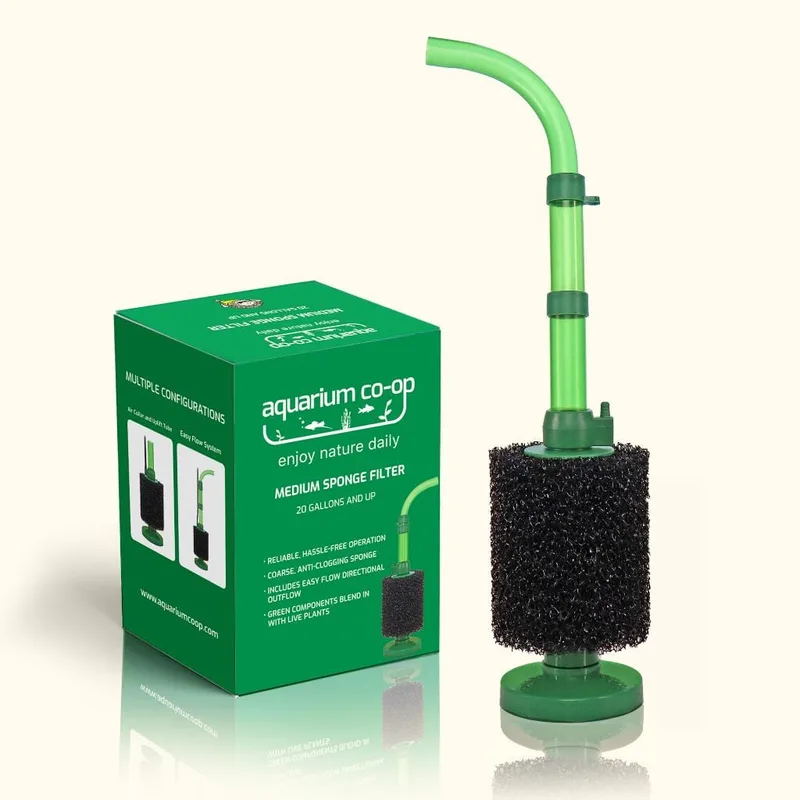
Aquarium Co-Op Sponge Filter
Best Shrimp-Safe Filter- ✓ No exposed intake, so shrimp and molting Amano can't get pulled in or injured
- ✓ Coarse foam resists clogging longer than dense fine-pore sponges
- ✓ Four sizes cover everything from a nano tank to a large community setup
- ✓ Weighted base stays put without suction cups that fail over time
- ✗ Requires an air pump and airline, which is one more piece of gear to run
- ✗ Provides mechanical and biological filtration only, no chemical media
See the Best Sponge Filters for Guppy and Shrimp Tanks guide for more options if you’re running a multi-tank setup.
Diet and Algae Control
This is what Amano shrimp are famous for. A healthy group will graze:
- Hair algae and thread algae — the algae type most other cleanup crew members ignore, and the main reason people buy Amano shrimp in the first place
- Green spot algae and diatoms — grazed off glass, hardscape, and slow-growing plant leaves
- General algae film — the everyday green haze on glass and decorations
Amano shrimp are not a permanent fix for an algae outbreak. If a tank keeps growing algae faster than the shrimp can eat it, the underlying cause — usually excess light duration, excess light intensity, or excess nutrients from overfeeding — needs to be addressed directly. Shrimp buy time; they don’t solve a lighting or dosing problem on their own.
Once a tank’s algae supply is under control, Amano shrimp need supplemental food or they’ll start looking hungry and picking at plant leaves they’d normally leave alone.
- Blanched vegetables: Zucchini, cucumber, or spinach, blanched 30 seconds and weighted down. Remove uneaten portions within 24 hours.
- Algae wafers: A reliable backup food that sinks fast and gives shrimp something to grip while feeding.
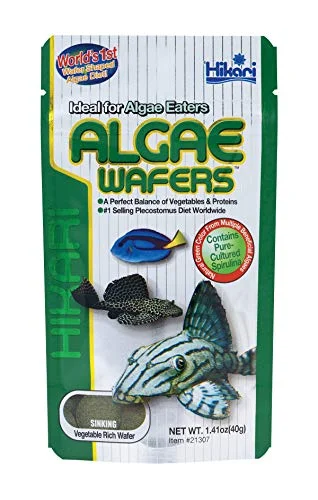
Hikari Algae Wafers, 1.41 oz
Best Supplemental FoodBrand HikariSize 1.41 oz (40g)Form Sinking waferShrimp Safe YesBest For Backup feeding when algae runs lowCheck Price on Amazon →- ✓ Sinks fast so Amano shrimp reach it before it breaks apart
- ✓ Balanced formula covers nutrition algae alone doesn't provide
- ✓ Small size wafers break easily for nano and small colony tanks
- ✓ Widely stocked, easy to reorder
- ✗ Not a substitute for an actual algae supply — shrimp still need something to graze
- ✗ Uneaten wafers cloud water fast if overfed
- Biofilm on driftwood: A piece of spider wood or cholla wood keeps producing grazeable biofilm on an ongoing basis.
Rotate feeding methods and watch shrimp behavior — if Amano shrimp are constantly out in the open searching rather than resting under cover during the day, they’re likely underfed.
Water Quality Maintenance
Amano shrimp are extremely sensitive to ammonia, nitrite, and copper — the same copper found in some fish medications and a surprising number of plant fertilizers is toxic to them at concentrations fish tolerate without issue. Always check the ingredient label on any medication or fertilizer before dosing a tank that holds shrimp, and never assume a product is shrimp-safe just because it’s sold in the same aisle as shrimp supplies.
A shrimp-safe dechlorinator is non-negotiable for every water change:
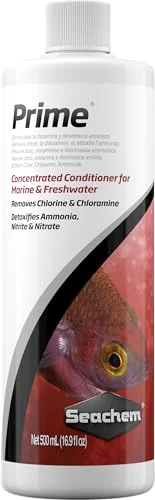
Seachem Prime
Shrimp-Safe Dechlorinator- ✓ Detoxifies ammonia and nitrite for 24-48 hours during cycling or emergencies
- ✓ No copper, so it's safe for Amano and every other dwarf shrimp species
- ✓ Extremely concentrated — a 500ml bottle lasts months on a shrimp tank
- ✓ The default recommendation across the shrimp-keeping hobby
- ✗ Strong sulfur smell some people find unpleasant
- ✗ Easy to overdose given how concentrated it is — measure carefully
Since ammonia and nitrite tolerance is zero, regular testing catches problems before they become deaths:
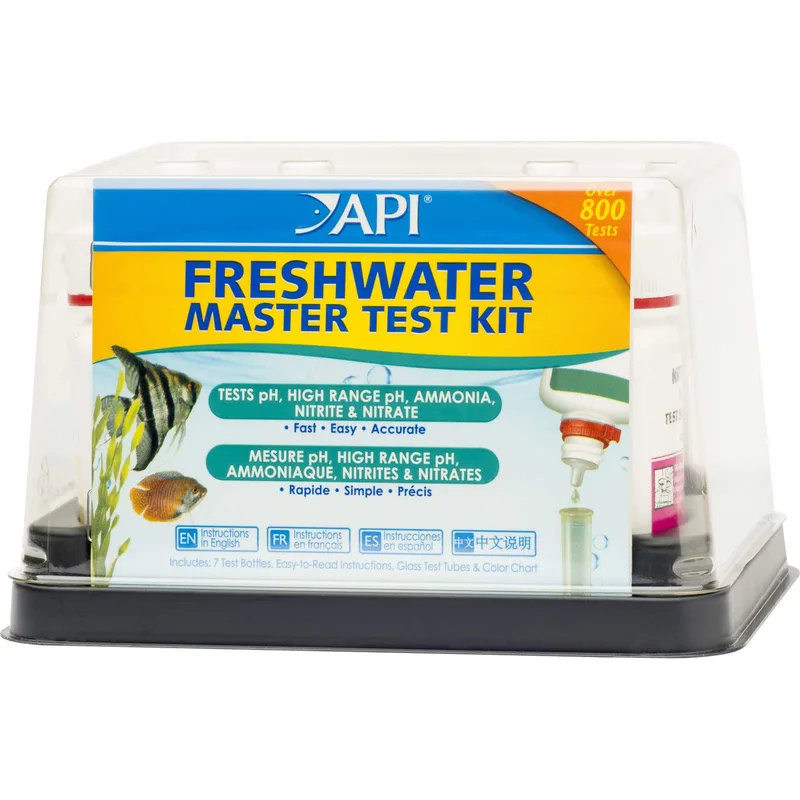
API Freshwater Master Test Kit
Best Water Test Kit- ✓ Covers the parameters that matter most for a sensitive invertebrate
- ✓ Liquid reagents read far more accurately than test strips
- ✓ 800+ tests make it cost-effective for multi-tank setups
- ✓ High Range pH test is useful since Amano tolerate alkaline water well
- ✗ No GH or KH test included — pair with a dedicated GH/KH kit
- ✗ Only 4 glass tubes for 5 tests, so tubes need rinsing between uses
For a full rundown of which conditioners are shrimp-safe and which aren’t, see the Best Water Dechlorinators guide.
Tank Mates
Amano shrimp are peaceful and do well in most community setups, but their size makes them tempting targets for some fish that would ignore smaller dwarf shrimp.
Good tank mates:
- Corydoras, otocinclus, and other peaceful bottom-dwellers
- Rasboras, small tetras, and other nano community fish
- Neocaridina and Caridina dwarf shrimp — different genus, so no crossbreeding risk, and they share tank space well since Amano graze algae Neocaridina and Caridina mostly ignore
- Nerite and mystery snails
Risky or unsuitable tank mates:
- Larger cichlids, and any fish known to eat shrimp
- Bettas — usually fine with adult Amano, but a betta will often pick off newly molted or juvenile shrimp
- Crayfish — will kill and eat shrimp given the chance
- Aggressive or fin-nipping barbs
See the Shrimp Tank Mates guide for a more detailed compatibility breakdown across shrimp species.
Breeding
Amano shrimp are difficult to breed in a standard home aquarium, and that’s the main reason nearly every Amano shrimp sold in the hobby is wild-caught or farm-raised in brackish conditions rather than bred in a home tank. Females carry eggs the same way other dwarf shrimp do, but the larvae hatch into a free-swimming planktonic stage that requires brackish or full-strength saltwater to survive — freshwater larvae die within days. Replicating that larval stage means a separate brackish rearing tank and regular feeding of phytoplankton or similar microscopic food, which is far more setup than most keepers want for a species that’s inexpensive to buy as adults.
Selective captive breeding is advancing, though — Taiwanese breeders have recently brought color morphs like “Snow” (milky white), “Orange,” and “Yellow” Amano shrimp to market, produced through controlled brackish-rearing programs rather than typical home-tank breeding. These morphs cost significantly more than standard wild-type Amano shrimp and are still uncommon outside specialty sellers.
Common Problems
Shrimp jumping out of the tank
Amano shrimp are strong jumpers, especially right after being introduced to a new tank or after a water change changes parameters suddenly. A tight-fitting lid with no gaps around filter intakes or heater cords is the fix — foam intake covers or filter floss stuffed into gaps close off the usual escape routes.
Color fading or turning pale after molting
Normal. Amano shrimp molt regularly as they grow, and their color is naturally translucent to begin with, so post-molt paleness that returns to normal within a day or two isn’t a concern. A shrimp that stays pale, stops eating, or hides continuously after molting may be struggling with the molt itself, often linked to insufficient GH/KH.
Sudden death after a water change
Usually a sign of a parameter swing that was too fast, or a dechlorinator that didn’t fully neutralize chlorine or chloramine before the water hit the tank. Match temperature within a couple degrees, dose dechlorinator into the new water before adding it, and avoid changing more than 25-30% of tank volume at once in an established shrimp tank.
Copper poisoning
Copper builds up in shrimp tissue and is lethal even at low concentrations that don’t visibly bother fish. Symptoms include sudden lethargy, twitching, and mass die-offs. If a fertilizer, medication, or tap water source is suspected, do an immediate large water change with fresh dechlorinated water and stop dosing the suspected product.
Frequently Asked Questions
How many Amano shrimp do I need for algae control?
A rough guideline is 1 Amano shrimp per 5-10 gallons for general maintenance, or up to 1 per 2-3 gallons for an active hair algae outbreak. More shrimp means faster cleanup, but remember they need supplemental food once the algae is gone.
Do Amano shrimp eat cherry shrimp?
No. Amano shrimp are algae grazers and scavengers, not predators. They coexist peacefully with Neocaridina and Caridina dwarf shrimp and won’t hunt them.
Can Amano shrimp live in a betta tank?
Often yes with adult Amano shrimp, since they’re too large for most bettas to swallow whole. Risk goes up right after a molt, when shrimp are soft and defenseless — a betta with a history of aggression toward tankmates is not a safe pairing regardless.
Why did my Amano shrimp turn white after dying?
This is a common misconception — Amano shrimp typically turn opaque white or reddish after death, not before. A shrimp that’s still alive but pale is more likely mid-molt or stressed, not dying. Check for movement of the antennae or legs before assuming the worst.
Do Amano shrimp need a heater?
Only if room temperature drops below 64°F or fluctuates significantly. In a stable indoor room within the 64-82°F range, a heater isn’t strictly required, but consistency matters more than hitting an exact number.
Will Amano shrimp breed in my tank?
Females will carry eggs, but the larvae need brackish water to survive the free-swimming stage and will die in a standard freshwater tank. Home breeding is possible but requires a dedicated brackish rearing setup — most keepers buy adult Amano shrimp rather than try to breed them.
What’s the difference between Amano and cherry shrimp for algae control?
Amano shrimp are larger and will eat hair algae that cherry shrimp mostly ignore, making them the better choice for an active algae problem. Cherry shrimp breed readily in freshwater and add color to a tank, but they’re better suited to general grazing than heavy-duty algae cleanup.
Conclusion
Amano shrimp earn their reputation as the hobby’s best algae cleanup crew, particularly against hair algae that nothing else touches. They’re hardier than dwarf shrimp on water hardness, peaceful with most community fish, and low-maintenance once a tank is established — but they still need a secure lid, shrimp-safe water treatments, and supplemental feeding once the algae supply runs low.
Start with a group of at least three in a properly filtered, securely covered tank, dose only copper-free products, and keep GH/KH in range with a remineralizer if your source water runs soft. Do that and a colony of Amano shrimp will handle algae control for years with minimal intervention.