Every new fish or shrimp you bring home carries whatever its last tank carried. Ich, flukes, bacterial infections and parasites often show up days or even weeks after arrival, and a quarantine tank keeps them out of the display tank and away from your breeders. For anyone running multiple tanks or a breeding rack, one lost colony costs far more than the gear to prevent it.
A quarantine setup does not need to look good. It needs stable water, gentle filtration, a heater, a lid and a way to watch the animals closely. This guide covers a ready-made kit, a budget tub build and the individual parts that turn either into a working station, with notes on keeping shrimp safe throughout.
| Aqueon 10 Gallon LED Starter Kit Best Complete Kit | Sterilite 28 Qt Storage Box Best Budget | AQUANEAT Bio Sponge Filter Best Quarantine Filter | Aquarium Solutions Bacto-Surge Foam Filter, Small Best Backup Sponge | HITOP 25W Adjustable Aquarium Heater Best Budget Heater | Pawfly Nano Silent Air Pump Best Budget Air Pump | API Freshwater Master Test Kit Best Test Kit | Seachem Prime Water Conditioner, 500 ml Best Water Conditioner | |
|---|---|---|---|---|---|---|---|---|
| Rating | 8.6/10 | 8.8/10 | 9/10 | 8.4/10 | 8.2/10 | 8.3/10 | 9.1/10 | 9.3/10 |
| Price | Unavailable | $20.00as of Nov 15, 2026 | $8.99as of Nov 15, 2026 | $9.45as of Nov 15, 2026 | $11.97as of Nov 15, 2026 | $9.99as of Nov 15, 2026 | $34.18-$35.98as of Nov 15, 2026 | $16.62as of Nov 15, 2026 |
| Brand | Aqueon | Sterilite | AQUANEAT | — | HITOP | Pawfly | API | Seachem |
| Size | 10 gallons | 28 quarts (about 7 gallons) | — | — | — | — | — | 500 ml |
| Material | Glass | Clear plastic | — | — | — | — | — | — |
| Lid | Yes, with LED light | Yes, snap-on | — | — | — | — | — | — |
| Filter | Included hang-on filter | — | — | — | — | — | — | — |
| Type | — | Storage tub | Air-driven sponge filter | Air-driven foam filter | — | — | — | — |
| Shrimp-Safe | — | — | Yes, covered intake | Yes, foam intake | — | — | — | Yes, at labeled doses |
| Best For | — | — | Tubs and tanks up to about 10 gallons | Small tubs and nano setups | Up to about 7 gallons | One sponge filter in a small tub or tank | — | — |
| Wattage | — | — | — | — | 25W | — | — | — |
| Control | — | — | — | — | Adjustable thermostat | — | — | — |
| Power | — | — | — | — | — | 1.3W | — | — |
| Tests | — | — | — | — | — | — | pH, high-range pH, ammonia, nitrite, nitrate | — |
| Format | — | — | — | — | — | — | Liquid reagents | — |
| Removes | — | — | — | — | — | — | — | Chlorine, chloramine; binds ammonia temporarily |
| Check Price → | Check Price → | Check Price → | Check Price → | Check Price → | Check Price → | Check Price → | Check Price → |
Prices change daily — tap Check Price for the current Amazon price. Numbers shown were verified on the "as of" date.
Quick Picks
- Best complete kit: Aqueon 10 Gallon LED Starter Kit. Everything in one box and glass sides for close observation. Add a pre-filter sponge on the intake before shrimp go in.
- Best budget: Sterilite 28 Qt Storage Box. A cheap clear tub plus a sponge filter makes a quarantine station for roughly the price of a single fish.
- Best quarantine filter: AQUANEAT Bio Sponge Filter. Gentle, shrimp-safe and easy to keep seeded.
- Best water conditioner: Seachem Prime. Cheap insurance while a new tub has no biofilter yet.
Buying Guide: What a Quarantine Tank Needs
Size and Material
Ten gallons is a practical size for a small group of fish, because larger volumes dilute ammonia and temperature swings. A 7-gallon tub works for a few small fish or a shrimp batch. Glass is easier to inspect and holds up to repeated cleaning. Plastic tubs are fine as long as they are food-safe, clear and free of cracks.
Filtration: Sponge Filters Win
Air-driven sponge filters give gentle flow, never suck up small animals and carry no carbon that would pull medication out of the water. Keep a spare sponge running inside your main tank or breeding rack so it is already colonized with bacteria when a new arrival comes in. Moving a seeded sponge into the quarantine tub is the fastest way to avoid an ammonia spike. For background on cycling, see our tank cycling guide and our sponge filter roundup.
Heat and Temperature
Hold fish at the temperature they were kept at in the store, then adjust slowly. Neocaridina shrimp are comfortable at 65-80°F, while Caridina shrimp want 60-74°F. A small heater is only needed where your room runs cool. In warm southern climates (USDA Zones 7-9), a closet or garage station can run hot in summer, so use a thermometer and move the setup indoors when temperatures climb. For larger volumes, see our aquarium heater roundup and the breeding heater guide.
Water Testing and Conditioner
Test ammonia and nitrite daily at first. A quarantine tub that is not cycled will spike quickly with new fish in it, so be ready to do partial water changes with conditioned water. See our freshwater test kit comparison and dechlorinator guide for more options.
Shrimp-Safe Quarantine
Shrimp are far more sensitive than fish to copper and to many common medications. Never medicate shrimp in a tank that has held copper-based products, and never move equipment between a medicated fish tank and a shrimp tank without a thorough cleaning. Use a separate quarantine station for shrimp, run only a covered-intake sponge filter, and never use carbon. Dose conditioners only at labeled rates. Most disease problems in shrimp trace back to water quality, so watch parameters rather than reaching for a bottle. For more on shrimp health, see our shrimp tank mates guide.
How Long to Quarantine
Plan on a minimum of two to four weeks for fish and at least two weeks for shrimp. Keep the full period running from the last day any animal shows a problem, and do not add new animals to a tub mid-quarantine. For disease identification and treatment options, see our livebearer disease guide.
How to Run a Quarantine Period
Before the Animals Arrive
Set the tub or tank up a week ahead. Fill it with conditioned water, run the sponge filter and heater, and drop in a plastic plant or a short length of PVC pipe for cover. If you have a seeded sponge from an established tank, swap it in now so the biofilter is already working. Bare bottoms are easiest to keep clean, and a snug lid is non-negotiable, since freshly shipped fish bolt at the first sign of a gap.
Acclimation and the First Week
Float the bag to match temperature, then add small amounts of quarantine water over 30-60 minutes. Shrimp need a slower drip acclimation, because sudden changes in hardness or TDS are a common cause of losses. Do not pour shipping water into the tub. Keep the lights low for the first day, feed lightly and test ammonia and nitrite every day. A partial water change of 25-30 percent whenever ammonia or nitrite shows up keeps things safe while the filter catches up.
What to Watch For
Check each animal daily. Fish flicking against surfaces, white spots, clamped fins, ragged edges, stringy waste or refusal to eat are all reasons to extend the quarantine. Shrimp that sit motionless, fail to molt cleanly or swim erratically usually point to a water-quality problem, not a pathogen, so check parameters before anything else. Write the start date on a piece of tape on the tub so the clock is never guesswork.
Cleaning Up Afterward
When the period is over, drain the tub and wash it with hot water and no soap. Let it dry in the sun, which helps knock back leftover pathogens. Keep dedicated nets, buckets and siphon hoses for quarantine, and never reuse them on the display tank or breeding rack without sanitizing. A shared net is the most common way a problem walks from one tank to the next.
Detailed Reviews
1. Aqueon 10 Gallon LED Starter Kit
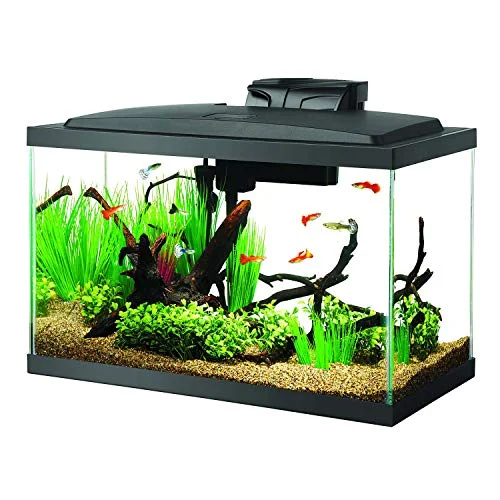
Aqueon 10 Gallon LED Starter Kit
Best Complete Kit- ✓ Tank, lid, light and filter in one box, ready to cycle
- ✓ Glass lets you watch for spots, clamped fins and flashing
- ✓ 10 gallons holds a small group of new fish with stable water
- ✓ Fully covered lid stops jumpers
- ✗ Included filter has an open intake, so it is not shrimp-safe without a pre-filter sponge
- ✗ Costs several times what a tub setup does
- ✗ Takes up permanent shelf or stand space
This is the easiest way into quarantine for someone who does not already have spare gear. The kit gives you a tank, lid, LED light and filter, so you can run it cycled and ready before new fish arrive. The included hang-on filter is fine for fish, but for shrimp wrap the intake with a sponge pre-filter or swap in a sponge filter, since the open intake can pull in small shrimp.
2. Sterilite 28 Qt Storage Box
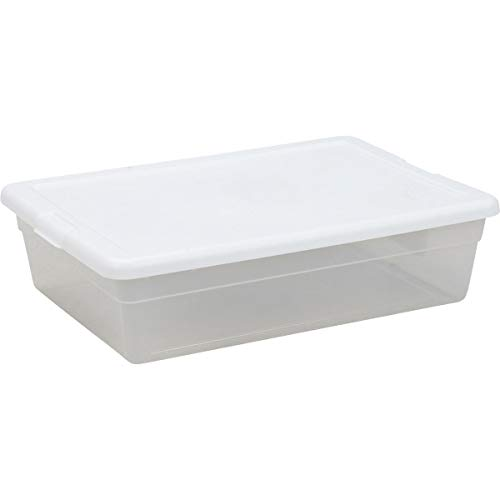
Sterilite 28 Qt Storage Box
Best Budget- ✓ Cheapest way to add a quarantine station
- ✓ Stacks and stores flat in a closet between uses
- ✓ Clear sides and lid make observation easy
- ✓ Cheap enough to buy one per batch of new arrivals
- ✗ Plastic scratches and clouds over time
- ✗ Needs a sponge filter, heater and air pump added
- ✗ Not designed for aquarium use, so check for cracks before each batch
A clear storage tub is the standard breeder’s quarantine container. It costs very little, so you can keep several on hand and sanitize or retire them after each batch. Pair it with a sponge filter, an air pump and a small heater. Keep the lid on, with room for the airline to pass through, because new fish jump.
3. AQUANEAT Bio Sponge Filter
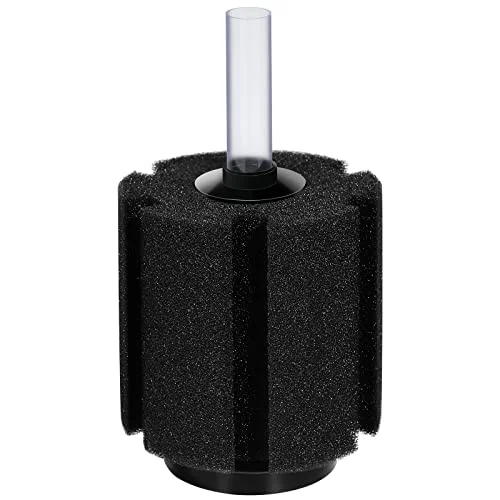
AQUANEAT Bio Sponge Filter
Best Quarantine Filter- ✓ Gentle flow suits weak, stressed fish and shrimp
- ✓ Covered intake cannot catch shrimplets or small fish
- ✓ Can be kept running in an established tank to stay seeded
- ✓ No medication-absorbing carbon to remove
- ✗ Needs a separate air pump and airline tubing
- ✗ Fresh sponge has no bacteria until it is seeded
The core of any quarantine station. Shrimp-safe, gentle and cheap enough to run one per station. Keep a spare in your main tank so it is ready to move.
4. Aquarium Solutions Bacto-Surge Foam Filter, Small
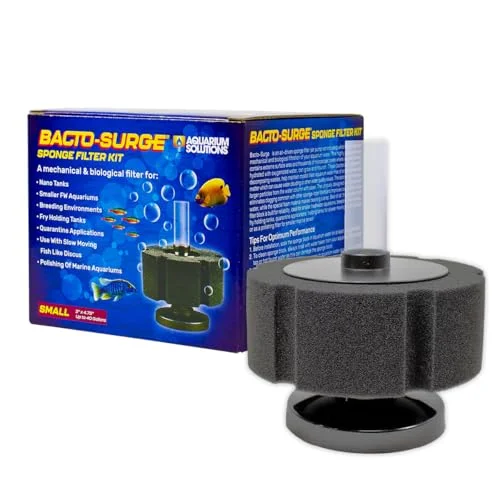
Aquarium Solutions Bacto-Surge Foam Filter, Small
Best Backup Sponge- ✓ Dense foam is a strong biological surface in a small footprint
- ✓ Inexpensive enough to keep a spare seeded in the main tank
- ✓ Safe for shrimp and fry
- ✗ Small size limits it to tubs and tanks under about 10 gallons
- ✗ Needs an air pump
A dense foam filter that works well in tubs and nano tanks. We like it as the second sponge you keep seeded in a display tank, ready for emergencies.
5. HITOP 25W Adjustable Aquarium Heater
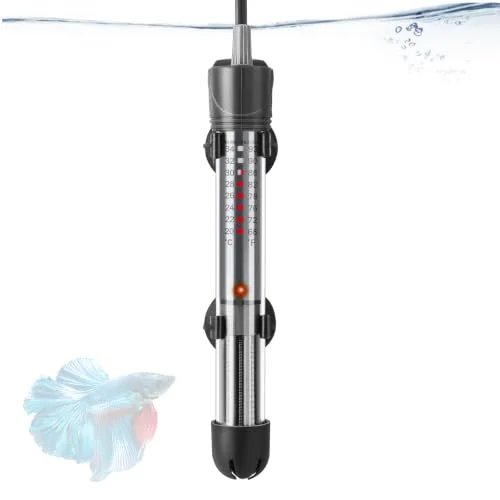
HITOP 25W Adjustable Aquarium Heater
Best Budget Heater- ✓ Low price makes one heater per quarantine station realistic
- ✓ Adjustable, so you can hold neocaridina-friendly or tropical temperatures
- ✓ Small enough to fit in a tub
- ✗ 25W is only enough for small volumes in a warm room
- ✗ Check it against a separate thermometer; budget heaters drift
A budget heater that fits a tub. Verify the temperature with a separate thermometer rather than trusting the dial.
6. Pawfly Nano Silent Air Pump
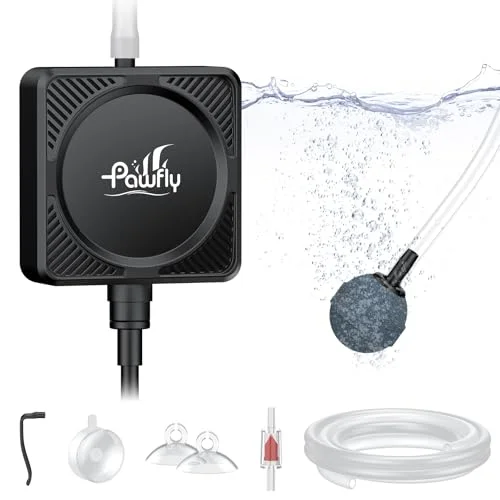
Pawfly Nano Silent Air Pump
Best Budget Air Pump- ✓ Quiet and low-power, fine for a spare room or closet
- ✓ Accessories included
- ✓ Enough output for one small sponge filter
- ✗ Too small to drive several filters or larger tanks
- ✗ Mount it above the waterline or fit a check valve
A quiet pump that drives one sponge filter. If you run several stations, buy one per station so a single failure does not take down the lot. See our air pump roundup for larger options.
7. API Freshwater Master Test Kit
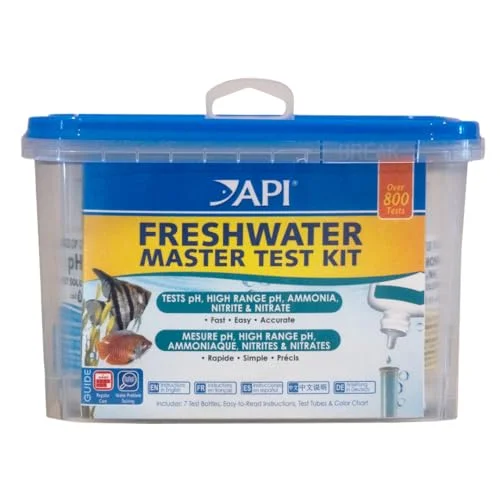
API Freshwater Master Test Kit
Best Test Kit- ✓ Ammonia and nitrite readings are what matter most in a new quarantine tub
- ✓ Liquid kit is easier to read than strips at low levels
- ✓ Hundreds of tests per kit across all your stations
- ✗ Color matching is subjective
- ✗ Does not test GH or KH, which matter for shrimp
Ammonia and nitrite are the numbers that matter in a new quarantine tub. This kit covers both along with pH and nitrate, and is the most economical option for a multi-tank operation.
8. Seachem Prime Water Conditioner, 500 ml
Seachem Prime Water Conditioner, 500 ml
Best Water Conditioner- ✓ Binds ammonia for a day or two while a tub cycles
- ✓ Concentrated, so one bottle dresses many water changes
- ✓ Widely used in shrimp tanks
- ✗ Does not replace a working biofilter
- ✗ Strong sulfur smell
Removes chlorine and chloramine and temporarily binds ammonia, which gives a young quarantine tub a margin of safety. It is shrimp-safe at labeled doses.
Frequently Asked Questions
Do I really need a quarantine tank?
If you keep anything valuable, yes. Even healthy-looking fish from a good source can carry parasites. A quarantine tub is cheap compared with a lost tank of fish or a crashed shrimp colony.
How big should a quarantine tank be?
Ten gallons suits most freshwater fish. A 5-7 gallon tub works for small fish such as guppies or for a batch of shrimp. Bigger fish need proportionally more water.
Can I quarantine shrimp and fish together?
No. Fish medications often contain ingredients, copper in particular, that are lethal to shrimp. Keep shrimp in a dedicated, never-medicated container and observe them for stress, lethargy, or failed molts.
How do I cycle a quarantine tank quickly?
Move a mature sponge filter from an established tank, and run it in the quarantine tub for several days before adding animals. Dose a conditioner that binds ammonia, test daily and do water changes when readings rise.
How long should I quarantine new fish?
Two to four weeks is the common recommendation among hobbyists. Longer is safer if the fish came from a source you do not know. Restart the clock if disease appears.
Can I use a bare tub with no substrate or decor?
Yes, and most breeders do. Bare bottoms are easy to clean and let you see waste and sick fish. Add a plastic plant or PVC elbow for hiding places to reduce stress.
Conclusion
For most hobbyists the best value is the Sterilite tub with an AQUANEAT sponge filter, a small heater and an air pump, backed by Seachem Prime and a test kit. It is cheap, simple and easy to scale to several stations. If you want something permanent and easy to observe, the Aqueon 10 Gallon LED Starter Kit is our runner-up, particularly for beginners who need everything at once.
Whichever route you take, treat shrimp as a separate case: dedicated gear, no copper, covered intakes and no medications. A few extra dollars for a spare sponge filter and a second tub will pay for themselves the first time a new arrival turns out to be sick.