Pond plant baskets solve a fundamental problem: how do you grow rooted aquatic plants in a container pond without turning the entire bottom into a muddy mess? The answer is contained planting — individual baskets that hold substrate and roots while allowing water to circulate freely.
For patio ponds and outdoor tubs, plant baskets are even more important than for in-ground ponds because you need the ability to rearrange, remove for cleaning, and overwinter plants individually. A well-chosen basket keeps your planting flexible without sacrificing plant health.
Quick Picks
| Need | Our Pick |
|---|---|
| Best overall | PondH2o Basket Kit (8-Pack) |
| Best large basket | Pond Boss 10-Inch Square Basket |
| Best fabric | Pond Plant Aquatic Planting Bags (4-Pack) |
| Best budget | TotalPond Aquatic Plant Basket |
Why Use Plant Baskets
Contain Aggressive Spreaders
Many aquatic plants — especially marginals like cattails, pickerelweed, and sweet flag — spread aggressively through runners. Without containment, they take over the entire pond bottom within a single season. Baskets limit root spread and keep plants where you want them.
Prevent Substrate Muddying
Aquatic plant soil (heavy clay-based pond soil) turns water turbid when disturbed. In a patio pond where fish are swimming and you occasionally rearrange things, soil in baskets stays contained. Fish and water movement do not stir up bottom sediment.
Easy Maintenance
Need to trim roots? Fertilize? Divide a plant? Lift the basket out, work on it, and drop it back. Without baskets, you are reaching into the pond and disturbing everything to access a single plant.
Overwinter Management
In USDA Zones 7-9, some pond plants need to come inside or be lowered to the deepest point during winter. Individual baskets make this management simple — you are moving a contained unit rather than uprooting and replanting.
Detailed Reviews
1. PondH2o Aquatic Planting Basket Kit (8-Pack)
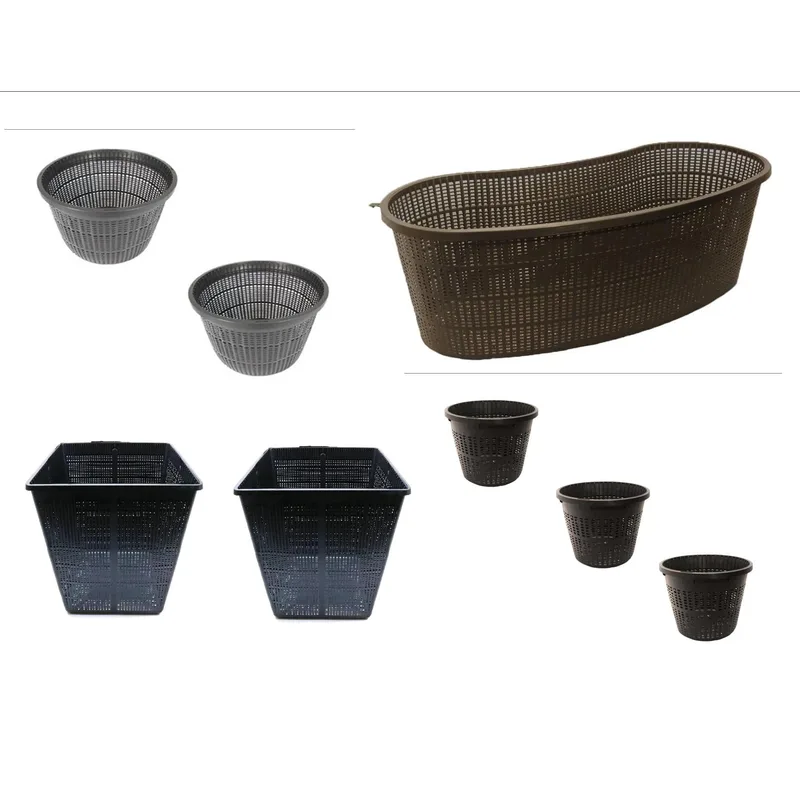
PondH2o Aquatic Planting Basket Kit (8-Pack)
Best Overall- ✓ Open mesh allows roots to access pond water
- ✓ Prevents soil from dispersing into pond
- ✓ Sturdy enough for medium-sized aquatic plants
- ✓ 8-pack provides good value for multiple planting zones
- ✗ May be too small for large water lilies
- ✗ Fine substrates can wash through mesh without liner
The PondH2o kit provides a variety of basket sizes in a single purchase — the standard recommendation for patio pond hobbyists who need to plant several different species at once. The assorted sizes accommodate most marginal plants and compact water lily varieties. The open mesh design allows roots to grow through the sides over time, accessing the broader pond water while keeping the main root ball contained.
Eight baskets per pack means you can plant a variety of species in a single purchase — one for a water lily, one for a marginal, one for a submerged plant like hornwort or anacharis (bundle and weight it), and spares for future plants.
For fine substrates (regular pond soil vs. clay media), line the basket with a piece of burlap or landscape fabric to prevent washout through the mesh. Heavy clay-based aquatic soil holds together without a liner.
Who it is for: Patio pond hobbyists planting medium-sized aquatic plants in containers under 30 gallons.
2. Pond Boss 10-Inch Square Plant Basket
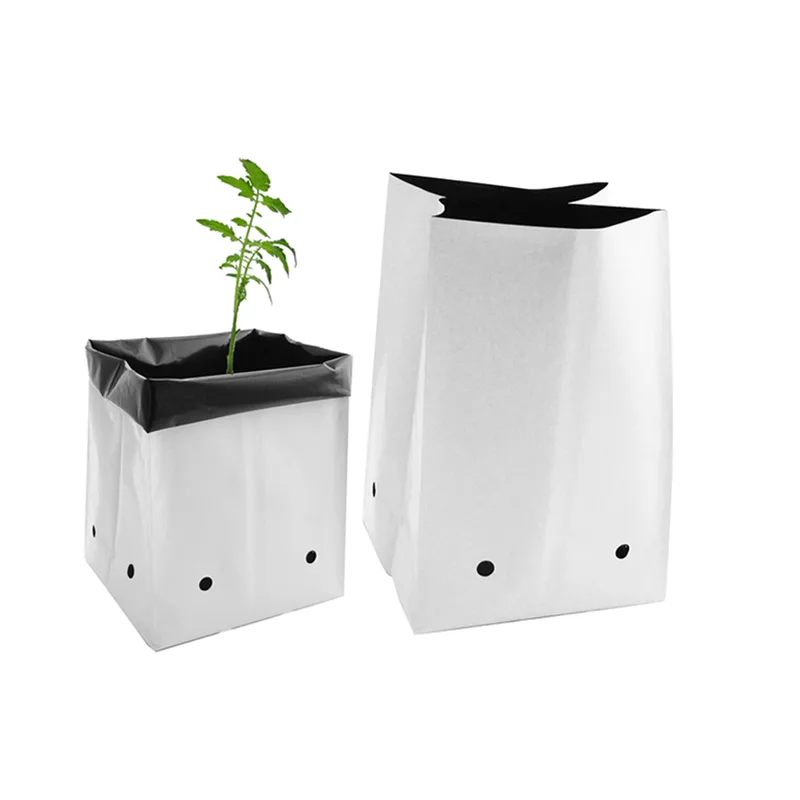
Pond Boss 10-Inch Square Plant Basket
Best Large Basket- ✓ Larger size accommodates water lilies and lotus
- ✓ UV-resistant plastic handles full sun
- ✓ Affordable single-unit price — easy to buy multiples
- ✓ Mesh sides promote water circulation to roots
- ✗ Requires burlap liner for fine-grain substrates
- ✗ Square shape may not fit all container shapes
The Pond Boss 10-inch basket is a larger single-unit option, better suited for hobbyists planting standard water lilies or lotus. The rigid plastic holds up to full sun exposure without becoming brittle — important for containers in direct southern exposure.
This basket is large enough for a single mature water lily or 2-3 marginal plants grouped together. The square shape tiles efficiently in rectangular containers but can feel awkward in round planters or half-barrel ponds.
Use a burlap or fabric liner with fine soil. The mesh openings are large enough to lose sand-sized particles during initial planting.
Who it is for: Hobbyists with larger patio ponds (20+ gallons) planting standard-sized water lilies or grouping multiple marginals.
3. Pond Plant Baskets Aquatic Planting Bags (4-Pack)
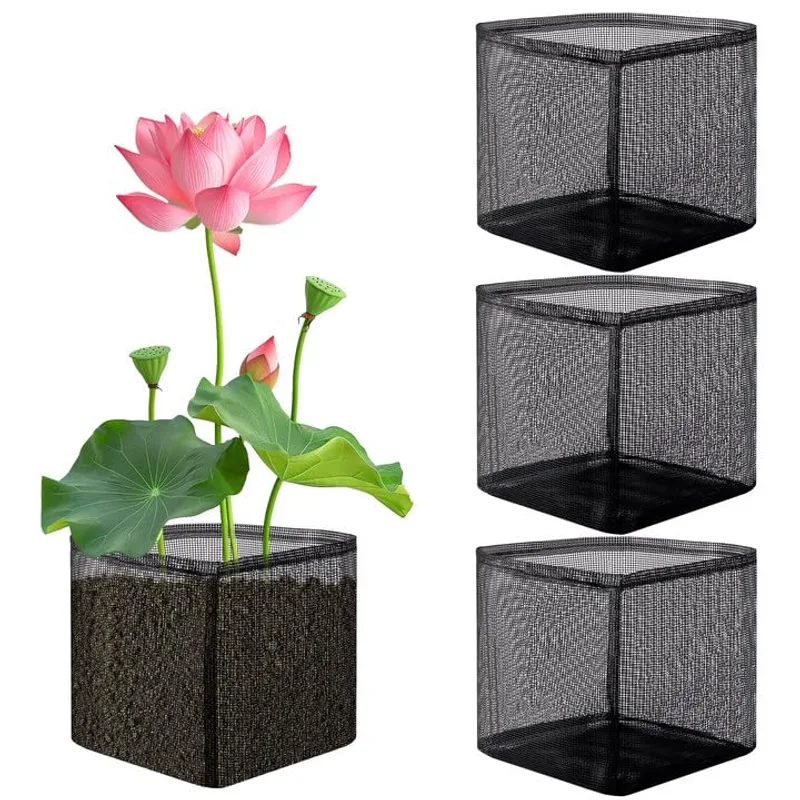
EBaokuup Aquatic Pond Planting Bags (4-Pack)
Best Fabric Option- ✓ Flexible fabric conforms to available space
- ✓ Holds soil while allowing root penetration
- ✓ Larger capacity than rigid baskets
- ✓ Lightweight when dry for easy repositioning
- ✗ Fabric degrades faster than rigid plastic
- ✗ Can be difficult to reposition once submerged and planted
- ✗ May look less tidy than rigid baskets
Fabric planting bags are a different approach — instead of rigid mesh, you get flexible breathable bags that conform to available space. This is particularly useful in oddly shaped containers where rigid baskets leave wasted space in corners.
The bags hold good soil volume for heavy-feeding plants like lotus and large water lilies. More soil volume means more nutrient availability and less frequent fertilization.
The downside is durability. Fabric degrades faster than rigid plastic, especially in sun-exposed areas. Expect 2-3 seasons of use before replacement is needed. They are also harder to lift once fully planted and waterlogged.
Who it is for: Hobbyists planting large aquatic plants (lotus, large lilies) in generous-sized containers.
4. TotalPond Aquatic Plant Basket
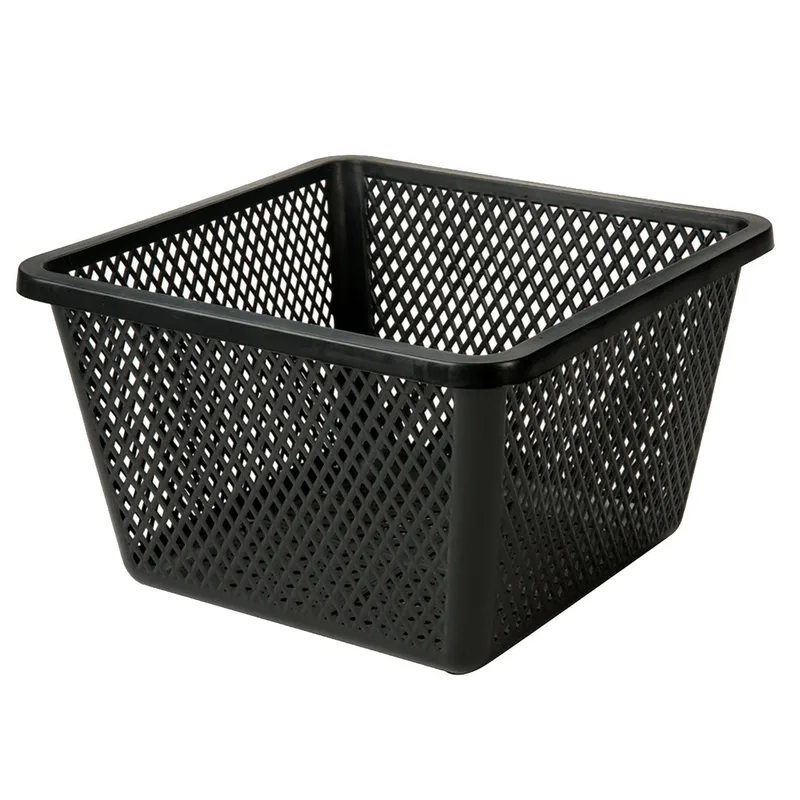
TotalPond Aquatic Plant Basket
Best Budget- ✓ Rigid construction holds shape with heavy soil
- ✓ Mesh sides allow root spread and water access
- ✓ Affordable single-unit purchase from a pond specialist brand
- ✓ Purpose-built for aquatic plants
- ✗ Single unit — need to buy multiples for a full pond
- ✗ May require burlap liner for fine substrates
The TotalPond basket is a no-frills rigid container with lattice sides. At $8 for a single unit, it is the affordable option when you only need one or two baskets rather than a multi-pack.
The handles are a practical feature — they make lifting the basket for maintenance easy, even when the soil is waterlogged and heavy. The rigid construction holds its shape under the weight of wet clay-based soil, which fabric planters can struggle with.
Who it is for: Hobbyists needing a single sturdy basket for one specific plant, or those who want to buy individual baskets to match different plant sizes.
Comparison Table
| PondH2o Aquatic Planting Basket Kit (8-Pack) Best Overall | Pond Boss 10-Inch Square Plant Basket Best Large Basket | EBaokuup Aquatic Pond Planting Bags (4-Pack) Best Fabric Option | TotalPond Aquatic Plant Basket Best Budget | |
|---|---|---|---|---|
| Rating | 8.6/10 | 8.3/10 | 8/10 | 8.2/10 |
| Price | $24.00as of Sep 27, 2026 | $16.91as of Sep 27, 2026 | $13.99as of Sep 27, 2026 | Unavailable |
| Size | Variety of sizes in kit | 10 x 10 inches | Breathable mesh planting bags | 10 inches |
| Material | Plastic mesh | Rigid plastic mesh | Breathable fabric | Rigid plastic with mesh sides |
| Pack | 8 baskets | 1 basket | 4 | 1 |
| Use | Marginals and small water lilies | Water lilies, lotus, marginals | Aquatic plants, pond plantings | Marginals and medium aquatic plants |
| Check Price → | Check Price → | Check Price → | Check Price → |
Prices change daily — tap Check Price for the current Amazon price. Numbers shown were verified on the "as of" date.
How to Plant in Pond Baskets
Materials Needed
- Pond basket of appropriate size
- Burlap liner (optional, for fine substrates)
- Aquatic plant soil (heavy, clay-based — NOT potting soil)
- Aquatic plant fertilizer tabs
- Pea gravel or river rock (topping layer)
- The plant
Step-by-Step
- Line the basket with burlap if using fine substrate. Cut to size and press into the basket.
- Fill the basket 2/3 full with aquatic plant soil. This should be heavy, clay-based soil specifically for ponds — never regular potting mix, which floats and contains perlite that clouds water.
- Place the plant in the center. Spread roots over the soil. For water lilies, position the crown (growing tip) at the soil surface — do not bury it.
- Push 1-2 fertilizer tabs into the soil near the roots. These slow-release tabs feed the plant for 4-8 weeks.
- Fill remaining space with soil around the roots, leaving the crown exposed.
- Top with a 1-inch layer of pea gravel or river rock. This prevents fish from digging in the soil and keeps it from dispersing when submerged.
- Slowly submerge the basket in the pond. Lower gradually to avoid soil disturbance.
Depth Guidelines
- Marginals (sweet flag, papyrus, cattails): Crown at or just below water surface (0-4 inches deep)
- Water lilies: Crown 6-18 inches below surface. Start shallow and lower as the plant grows.
- Lotus: Crown 2-6 inches below surface. Need wide, shallow containers.
- Submerged plants (hornwort, anacharis): Bottom of pond — depth varies by species.
Fertilizing Pond Plants
Aquatic plants in baskets need periodic fertilization because the contained soil volume limits available nutrients. Use pond-specific fertilizer tabs (like Pondtab or API Pond tabs) pushed into the soil near roots every 4-8 weeks during the growing season.
Never use liquid fertilizer in a pond with fish — most liquid plant fertilizers contain copper or other ingredients that harm aquatic life. Stick to substrate tabs that remain in the soil.
Frequently Asked Questions
Can I use regular flower pots instead of pond baskets?
Solid pots (without drainage holes) work for pond plants, but they prevent water circulation to roots and can create anaerobic zones in the soil. Mesh baskets are better for long-term plant health because they allow gas exchange and nutrient access from all sides.
Do I need to repot pond plants?
Most pond plants benefit from dividing and repotting every 2-3 years. Water lilies in particular become pot-bound and stop flowering when roots fill the entire basket. Divide in early spring before growth resumes.
What soil should I use for pond baskets?
Heavy clay-based aquatic soil sold for ponds. Never regular potting mix, garden soil, or compost — these contain organic matter that decomposes, fouls water, produces ammonia, and can kill fish. Good aquatic soil is dense, mineral-based, and sinks immediately.
Can I plant directly in the bottom of my patio pond?
If your patio pond has a soil layer, yes. But baskets give you flexibility to rearrange, remove for winter, and control aggressive spreaders. For most hobbyists, baskets are more practical than bottom planting.