Running a patio pond in the warm southern US or anywhere in USDA Zones 7-9 means working around a season that runs roughly March through October. Guppies need water above 65°F, plants need warmth and light, and algae needs managing. The key to a healthy pond is matching your care routine to what the season demands.
This guide covers the full cycle — spring startup, summer maintenance, fall transition, and winter shutdown — with specific timelines for USDA Zones 7-9 conditions. If your patio pond holds guppies, endlers, or other tropical livebearers, these dates and temperatures will keep your fish alive and your pond looking good.
Essential Gear
A floating thermometer is non-negotiable for outdoor ponds. You need to know when water temperature crosses the 65°F threshold for moving guppies in and out, and when fall temperatures signal time to start winding down.
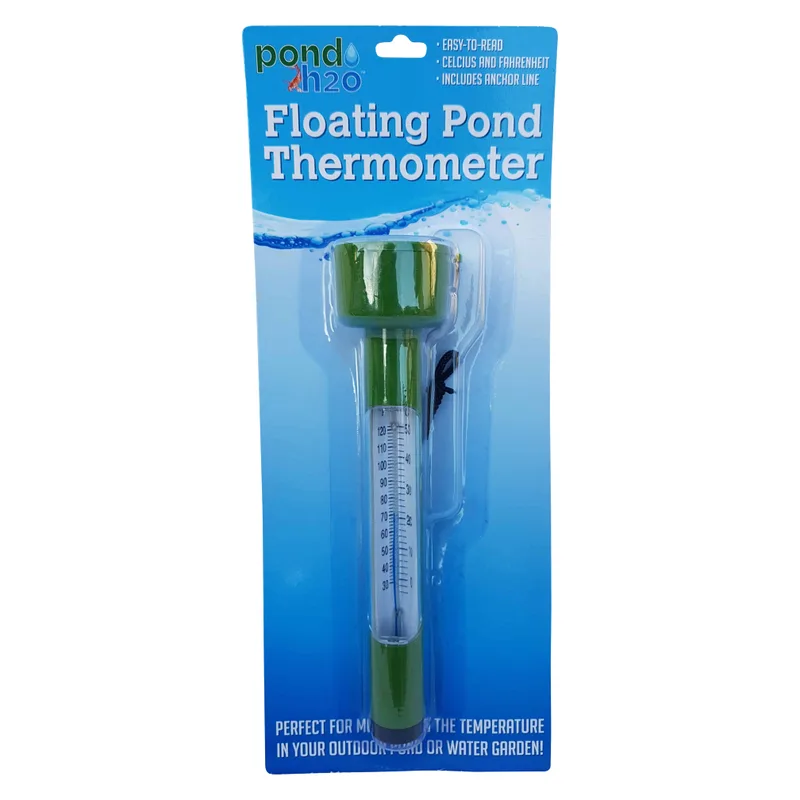
PondH2o Floating Pond Thermometer
Recommended- ✓ Large, easy-to-read dial visible from a distance
- ✓ Shatterproof lens holds up outdoors season after season
- ✓ Tether rope keeps it accessible for quick checks
- ✗ Analog — no remote reading or alerts
- ✗ Can drift into marginal plants and become hard to find
If you plan to overwinter any cold-hardy fish (mosquitofish, rosy red minnows) or keep water plants alive through winter, a pond deicer prevents ice from sealing the surface during occasional USDA Zones 7-9 hard freezes.
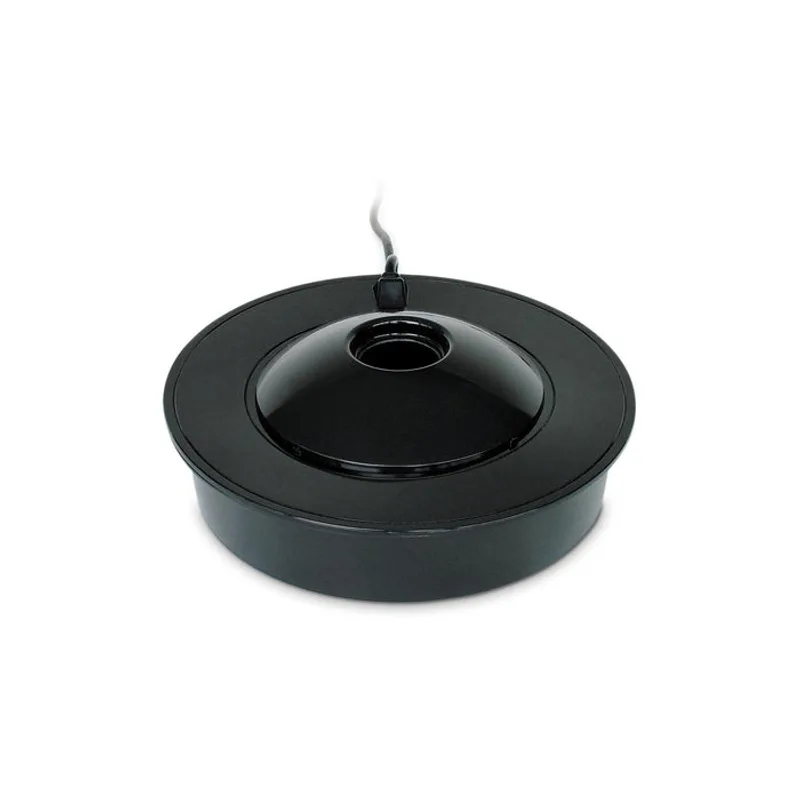
K&H Thermo-Pond 3.0 Deicer
Best for Winter- ✓ Keeps a hole open in ice for gas exchange — essential if overwintering fish
- ✓ Only draws power when water drops below 40°F — energy efficient
- ✓ Safety listed and well-reviewed for years of reliable use
- ✗ Only prevents ice — does not heat water to tropical temperatures
- ✗ Not needed in USDA Zones 7-9 most winters (useful for occasional hard freezes)
Spring Startup (March – April)
Early March: Assess and Clean
Once nighttime lows consistently stay above 45°F (usually early to mid-March in the warm southern US), it is time to get the pond ready for the season.
- Remove debris. Leaf litter, dead plant material, and any winter detritus need to come out. A pond net or your hands work fine for patio-sized ponds.
- Inspect the container. Check for cracks from winter freezing, especially in ceramic and concrete pots. Resin and plastic planters handle freeze-thaw better.
- Scrub algae. A stiff brush removes winter algae film from walls and bottom. Do not use soap or chemicals — just elbow grease and fresh water.
- Rinse and refill. If the water is foul, drain completely, rinse, and refill with dechlorinated water. For established ponds with a healthy ecosystem, a 75% water change is enough.
Mid-March: Restart Filtration and Plants
- Restart your pump or filter if you shut it down for winter. Clean any sponge media and check tubing for cracks.
- Re-plant marginals and submerged plants. Hardy plants like hornwort, anacharis, and water lettuce can go in once water is above 55°F. Tropical plants (water hyacinth) should wait until water hits 65°F.
- Add beneficial bacteria. A dose of pond bacteria starter jumpstarts the nitrogen cycle in cleaned ponds.
Late March / Early April: Monitor Temperature
Check your floating thermometer daily. In the South, pond water typically reaches 65°F consistently by mid-April, though warm spells can push it there in late March.
- Do NOT add tropical fish until water is consistently above 65°F. One cold night that drops water to 58°F can kill guppies.
- Start BTI mosquito control. Mosquitoes begin breeding when water hits 50°F. Drop a quarter Mosquito Dunk in the pond once it is filled and holding water. BTI (Bacillus thuringiensis israelensis) products are shrimp-safe and only target mosquito larvae — they will not harm fish, shrimp, or plants.
Summer Maintenance (May – September)
Moving Fish Outdoors (May)
By early May, pond water in warm southern climates is reliably above 70°F. This is when you move guppies and other tropical fish outdoors.
- Acclimate slowly. Float the bag or container in the pond for 30 minutes, then gradually mix pond water into the bag over another 30 minutes. Temperature shock kills more outdoor fish than anything else.
- Start with a small group. Move 10–15 guppies and let them settle for a week before adding more. This lets the pond’s biological filtration adjust to the bioload.
- Feeding. Guppies in a patio pond with plants and natural microorganisms often need little supplemental feeding. Once a day with a quality flake is plenty. In heavily planted ponds, every other day is enough — they graze on algae and microorganisms between feedings.
Monthly Summer Tasks
- Test water weekly. Ammonia and nitrite should always be zero. In a small patio pond, a spike can develop faster than in a large indoor aquarium. Keep test strips handy.
- Top off water. Evaporation in southern summers is significant — you may lose an inch or more per week. Top off with dechlorinated water. Do not let the water level drop more than 20%, or concentration of waste products increases.
- Manage algae. Some algae is normal and healthy. If green water develops, add more floating plants (water lettuce, duckweed) to shade the surface. Aim for 50–70% surface coverage with floaters.
- Thin floating plants. Water lettuce and duckweed multiply fast in summer heat. Harvest weekly to keep coverage around 60% and ensure light reaches submerged plants.
- Re-dose mosquito control. Replace your Mosquito Dunk quarter every two weeks, even with guppies present. Belt and suspenders.
- Watch for predators. Cats, raccoons, herons, and kingfishers all discover patio ponds eventually. Floating plant coverage helps fish hide. A predator net over the top works if predation becomes a problem.
Heat Management (July – August)
Southern summers regularly push air temperatures above 95°F, and a patio pond in direct sun can hit 90°F+ water temperature. Most tropical fish tolerate up to 86°F comfortably but start stressing above 90°F.
- Provide afternoon shade. A patio umbrella, shade cloth, or positioning the pond to catch morning sun but miss afternoon sun makes a big difference.
- Increase surface agitation. A small solar aerator or air stone increases oxygen exchange, which drops in warm water.
- Reduce feeding. Fish metabolism runs hot in warm water, but oxygen is lower. Less food means less waste and less oxygen demand.
Fall Transition (October – November)
October: Start Winding Down
Once nighttime temperatures drop below 65°F regularly (usually mid-October in the warm southern US), tropical fish need to come inside.
- Monitor temperature daily. When the thermometer reads below 65°F on two consecutive mornings, move guppies inside that day. Do not wait.
- Acclimate to indoor tanks. The same slow acclimation process applies going indoors. Float the container, mix water gradually, and avoid shocking fish with a 10-degree temperature swing.
- Reduce feeding. As water cools below 70°F, fish metabolism slows. Cut feeding to every other day, then stop entirely below 60°F for any remaining cold-hardy fish.
Late October: Plant Prep
- Remove tropical plants. Water hyacinth, tropical water lily, and other tender species will die at the first frost. Compost them or bring them indoors under grow lights.
- Cut back hardy marginals. Trim dead foliage from hardy plants (cattails, papyrus, rush) to prevent debris buildup.
- Leave submerged oxygenators. Hardy species like hornwort can survive mild USDA Zones 7-9 winters and will resume growth in spring.
November: Final Cleanup
- Do a large water change (75%). Remove accumulated waste from the growing season before winter stagnation.
- Remove or clean filtration. If you run a sponge filter or pump, pull it out, clean it, and store it dry. Leaving a filter in standing water over winter invites bacterial problems.
- Drop in a final Mosquito Dunk. Mosquitoes can still breed in 50°F water. One dunk in November carries through to when water finally gets too cold for mosquito activity.
Winter Shutdown (December – February)
USDA Zones 7-9 Winter Reality
Winters in warm southern climates are mild compared to most of the country. Hard freezes (below 28°F) happen a few times per season, but sustained freezing for days is rare. Most patio ponds will not freeze solid, and a thin ice layer usually melts by midday.
What to Do With the Pond
You have two options:
Option A: Drain and store. If your pond is a planter or container with no permanent fish, drain it, clean it, and flip it upside down to prevent rainwater collection and mosquito breeding. This is the simplest approach.
Option B: Leave it running. If you have cold-hardy fish (mosquitofish, rosy red minnows) or want to keep hardy plants alive, leave the pond filled. Add a deicer for insurance during hard freezes, and check water level monthly.
If Overwintering Fish
- Mosquitofish can handle it. They go dormant below 45°F and resume activity in spring. Just keep a hole in the ice if it freezes, so gas exchange continues.
- Do NOT feed. Fish metabolism effectively stops below 50°F. Food just rots and fouls water.
- Keep debris out. A net over the pond prevents leaf accumulation.
If the Pond is Empty
- Flip containers. Prevents rainwater from collecting and breeding mosquitoes.
- Inspect hardscape. Winter is a good time to repair cracks, seal planters, or plan upgrades for spring.
- Order supplies. Spring stock of plants, fish, and supplies tends to sell better in January and February when demand is low.
Month-by-Month Quick Reference
| Month | Key Tasks |
|---|---|
| January | Plan, order supplies, inspect equipment |
| February | Clean containers, repair hardscape |
| March | Refill, restart filtration, begin BTI, add hardy plants |
| April | Monitor temperature daily, prepare indoor fish for move |
| May | Move guppies outdoors, begin regular feeding |
| June | Weekly testing, algae management, thin floaters |
| July | Heat management, increase aeration, afternoon shade |
| August | Continue heat management, watch for predators |
| September | Begin monitoring for temperature drops |
| October | Move guppies indoors, remove tender plants |
| November | Final cleanup, large water change, winterize filtration |
| December | Drain or maintain with deicer, no feeding |
Frequently Asked Questions
When can I put guppies in my outdoor pond in the warm southern US?
Wait until your pond thermometer reads above 65°F on at least three consecutive days, including overnight lows. In most years in warm southern climates, this happens between mid-April and early May. Do not rush it — one cold night can kill fish that were fine at 70°F the day before.
How deep does my patio pond need to be for overwintering fish?
For mosquitofish in USDA Zones 7-9, at least 12–18 inches. Deeper water is more thermally stable and less likely to freeze solid during a hard freeze. Guppies should never overwinter outdoors in USDA Zones 7-9 — bring them inside.
Should I run a filter in my patio pond?
For small patio ponds (under 50 gallons) with a light fish load and plenty of plants, a filter is optional. The plants and beneficial bacteria in the substrate handle waste. For larger or more heavily stocked ponds, a small sponge filter or pump-driven filter helps maintain water quality. Shut the filter down for winter if you drain the pond.
How do I prevent algae in my patio pond?
Floating plants are the most effective algae control. Aim for 50–70% surface coverage with water lettuce, duckweed, or frogbit. These plants outcompete algae for nutrients and shade the water from direct sun. Avoid overfeeding fish, and remove any uneaten food within five minutes.
What do I do if my pond freezes overnight?
In USDA Zones 7-9, ice usually melts by midday. If fish are in the pond, do NOT break the ice by hitting it — the shockwave stresses fish. Pour warm (not hot) water over the ice to melt a hole, or float a pot of hot water on the surface. A pond deicer prevents this entirely.
Can I use tap water to refill my patio pond?
Yes, but always dechlorinate first. Chlorine and chloramine in municipal water kill beneficial bacteria and can harm fish. Use a standard dechlorinator at the recommended dose — most dechlorinators are shrimp-safe, but always check the label before dosing a pond that holds shrimp. For small top-offs (less than 10% of pond volume), the chlorine often dissipates quickly enough to be safe, but dechlorinating is always the safer choice.
Conclusion
Patio pond keeping in USDA Zones 7-9 follows a reliable annual rhythm: startup in March, full operation May through September, wind down in October, and rest through winter. The key milestones are the 65°F thresholds — that is when guppies go out in spring and come in during fall. Everything else is routine maintenance: test water, manage plants, control mosquitoes, and watch for temperature extremes.
A floating thermometer and a consistent routine are all you need to keep a healthy, productive patio pond season after season.