AquaRanked is reader-supported. When you buy through links on our site, we may earn an affiliate commission.
Ricefish — also called medaka or Oryzias latipes — have exploded in popularity among freshwater hobbyists, and for good reason. These tiny fish are cold-tolerant, breed readily, and come in an astonishing range of selectively bred strains developed primarily by Japanese breeders over decades. If you keep fish outdoors in tubs or ponds during the warmer months, medaka are arguably the perfect candidate.
This guide covers the most popular and widely available strains — Platinum, Youkihi, Miyuki, and more — along with care requirements indoors and outdoors, breeding fundamentals, and the equipment that makes ricefish keeping practical. The information here is grounded in what domestic breeders and hobbyists actually report across these varieties.
Down in the warm southern US, ricefish thrive outdoors from March through October with zero supplemental heating. That long outdoor season is one of the biggest reasons they have become a staple in the hobby here.
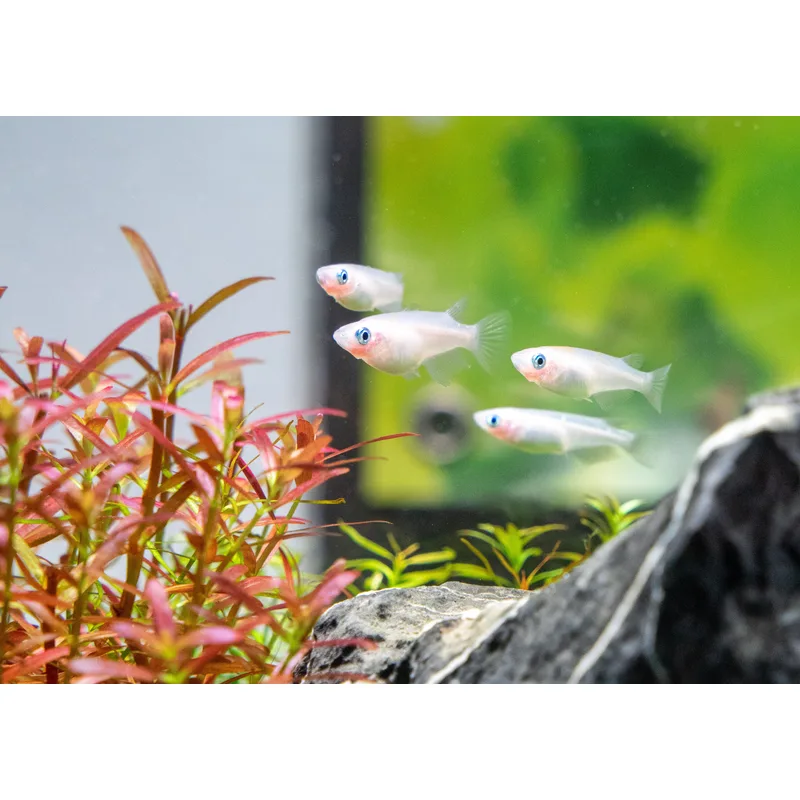
Understanding Ricefish Strains
Medaka breeding in Japan has produced hundreds of named varieties, but only a fraction are commonly available in the US market. Here are the strains you will actually encounter from domestic breeders and importers.
Youkihi (Orange)
Youkihi is the classic orange medaka and usually the first strain new keepers encounter. The coloration ranges from a pale tangerine to a deep reddish-orange depending on the line. They are hardy, cheap, and breed like weeds. If you are starting out, begin here. A group of six will become sixty before you know what happened.
Miyuki (Metallic Blue)
Miyuki medaka display a striking metallic blue sheen along their dorsal surface. High-grade Miyuki have a “full-body” metallic coverage that extends from head to tail. The metallic trait is called hikari in Japanese breeding terminology. These are slightly more expensive than Youkihi but just as easy to keep.
Lame (Sparkle/Glitter)
Lame medaka feature scattered reflective scales across the body that shimmer under light. The word “lame” comes from the French term for metallic fabric. The sparkle effect varies wildly between individuals, so breeders cull heavily for show-quality fish. Expect to pay a premium for well-selected Lame lines.
Darumai (Short Body)
Darumai is a body-shape mutation that produces a compressed, almost round fish. These are charming but come with trade-offs — reduced swimming ability and sometimes lower fertility. They are best kept in calm water without strong currents. Treat them as a specialty variety rather than a beginner fish.
Black Medaka
Several black strains exist, with varying degrees of melanin coverage. True black medaka look stunning in white or light-colored tubs where their contrast really pops. They are generally as hardy as standard Youkihi.
Platinum (White Metallic)
Platinum medaka carry the same hikari metallic trait as Miyuki, but express it as a brilliant white rather than blue. A top-grade Platinum has full-body white sheen from nose to tail with no dull patches — the benchmark used by serious breeders for selection. They are among the most striking varieties in a dark tub, where the contrast is dramatic. Hardiness is comparable to standard Miyuki; no special handling required. Platinum x Miyuki crosses produce interesting intermediate metallic tones, though hobbyists focused on strain purity keep them separate.
Albino
Albino medaka have red eyes and a largely translucent or pale body. They are eye-catching but somewhat more sensitive to intense direct sunlight in outdoor setups — shade cloth or floating plants help prevent stress during peak summer hours.
Indoor Care Basics
Ricefish are among the easiest freshwater fish to keep. Their requirements are minimal, which is part of the appeal.
Tank Size: A 10-gallon tank comfortably houses a colony of 12–15 adults. Nano tanks of 5 gallons work for smaller groups of 6–8. They are active surface swimmers, so horizontal footprint matters more than height.
Temperature: Medaka tolerate a wide range — from the mid-50s°F up to about 86°F. Room temperature (68–76°F) is ideal for indoor tanks. No heater required in most homes.
Water Parameters: pH 6.5–8.0, hardness moderate to hard. They are not fussy. Medaka adapted to rice paddies, which are shallow, warm, and variable. Your tap water is probably fine.
Filtration: A gentle sponge filter is perfect. Ricefish come from still to slow-moving water and do not appreciate strong flow. Hang-on-back filters work if you baffle the output. Air-driven sponge filters are the gold standard for breeding setups.
Plants: Floating plants like water lettuce, red root floaters, and salvinia are ideal. Medaka lay eggs in fine-leaved plants and floating roots. Java moss and spawning mops also work well as egg-collection surfaces.
Outdoor Tub Keeping
This is where ricefish really shine, especially in warm southern climates where the outdoor season stretches from March through October.
Container Selection
Half-whiskey barrels, large plastic tubs (20–50 gallons), and stock tanks all work. Dark-colored containers show off the fish better and grow beneficial algae faster. Make sure whatever you use is food-safe and has not been treated with chemicals.
Substrate and Plants
A thin layer of organic potting soil capped with an inch of pool filter sand creates a self-sustaining planted substrate. Hardy plants like hornwort, water hyacinth (where legal), and dwarf sagittaria establish quickly outdoors. Floating plants provide shade and egg-laying surfaces.
Seasonal Management
In USDA Zones 7–9, ricefish can stay outdoors year-round with some precautions. Below about 50°F, they enter a dormancy period where feeding stops and metabolism slows dramatically. In Zone 7, a small pond heater or moving tubs to an unheated garage during the coldest weeks of January and February prevents losses. In Zones 8–9, they typically overwinter outdoors without intervention.
Predator Protection
Outdoor tubs attract dragonfly nymphs, birds, and raccoons. A simple mesh cover (hardware cloth or pond netting) solves most predator problems. Dragonfly nymphs are the sneaky killer — they get into uncovered tubs and pick off fish one at a time.
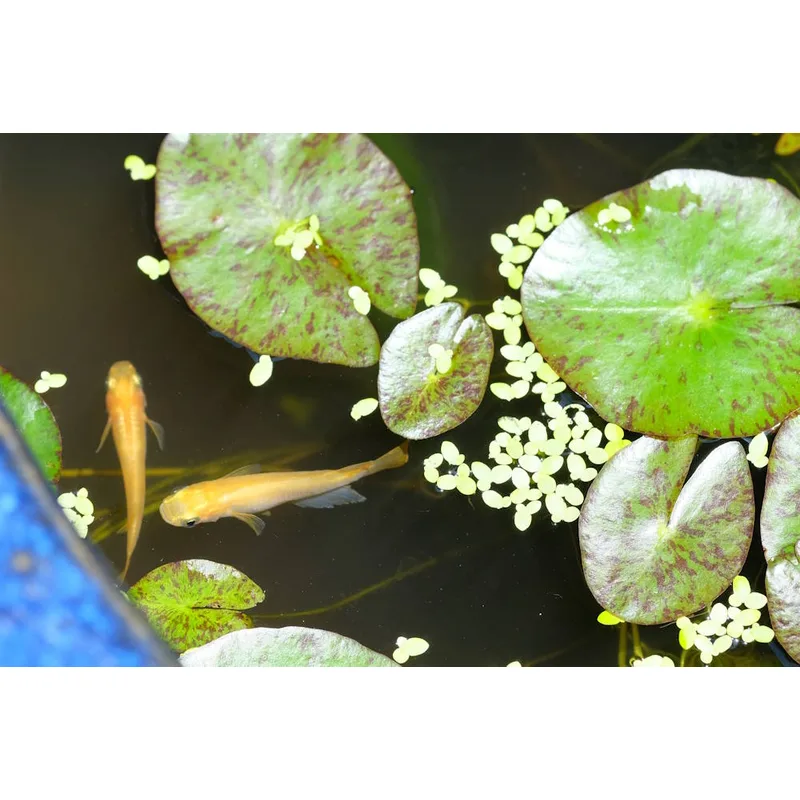
Breeding Ricefish
Medaka are prolific breeders once conditions are right. Longer daylight hours (12+ hours) and warmer temperatures (above 72°F) trigger spawning behavior.
Egg Collection
Females carry egg clusters attached to their ventral fin for several hours before depositing them on plants or spawning media. You can gently pick eggs off the female with wet fingers, or let her deposit them on a spawning mop that you remove daily.
Medaka eggs are remarkably tough. You can handle them, roll them between your fingers to remove fungused eggs, and store them in shallow containers of clean water with a drop of methylene blue.
Fry Rearing
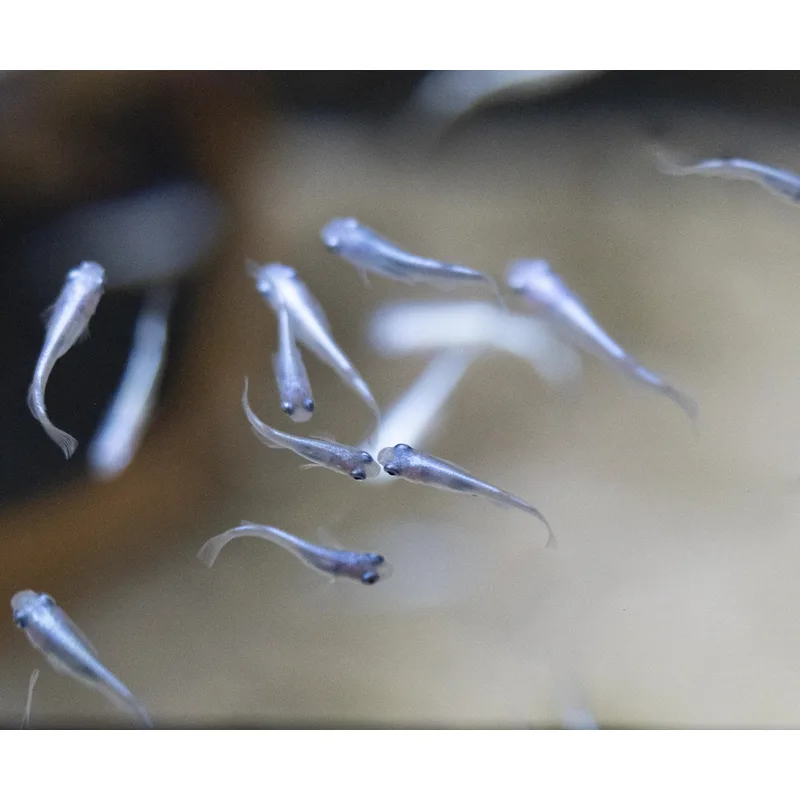
Eggs hatch in 10–14 days depending on temperature. Fry are tiny but immediately free-swimming and feeding. Vinegar eels, infusoria, and powdered fry food are appropriate first foods. Within two weeks, fry can take crushed flake food and baby brine shrimp.
Separate fry by size every couple of weeks to prevent larger siblings from outcompeting smaller ones. Growth rates vary significantly within a single spawn.
Strain Purity
If you keep multiple strains, maintain separate containers for each variety. Medaka crossbreed readily, and mixed offspring typically revert toward wild-type coloration over a few generations. Serious breeders keep each strain in its own tub with no possibility of cross-contamination.
Essential Equipment
Here is the gear that makes ricefish keeping practical and enjoyable.

Aquarium Co-Op Easy Green Fertilizer
Best Plant Fertilizer- ✓ Simple one-pump dosing keeps planted ricefish tubs lush
- ✓ Safe for shrimp and ricefish at recommended doses
- ✓ Encourages natural algae and biofilm growth that medaka graze on
- ✗ Can encourage hair algae if overdosed in direct sunlight
- ✗ Not a standalone solution for high-tech planted setups
Easy Green is the simplest way to keep plants growing in your medaka tubs and tanks. Healthy plants mean more egg-laying surfaces and better water quality. One pump per 10 gallons weekly is all it takes.
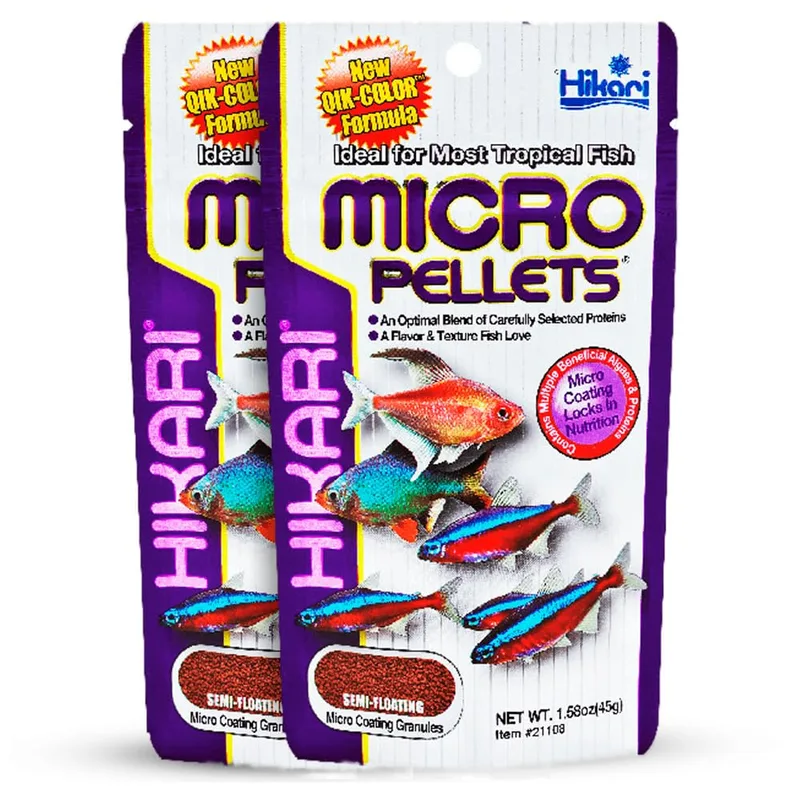
Hikari Micro Pellets
Best Staple Food- ✓ Small semi-floating pellets perfectly sized for medaka mouths
- ✓ High protein content supports breeding condition
- ✓ Minimal water fouling compared to flake foods
- ✗ Sinks fairly quickly — ricefish prefer surface feeding
- ✗ Picky eaters may ignore pellets initially
Hikari Micro Pellets are a reliable staple diet for adult ricefish. The semi-floating size is manageable for their small mouths, and the high protein content keeps breeding colonies in good condition.
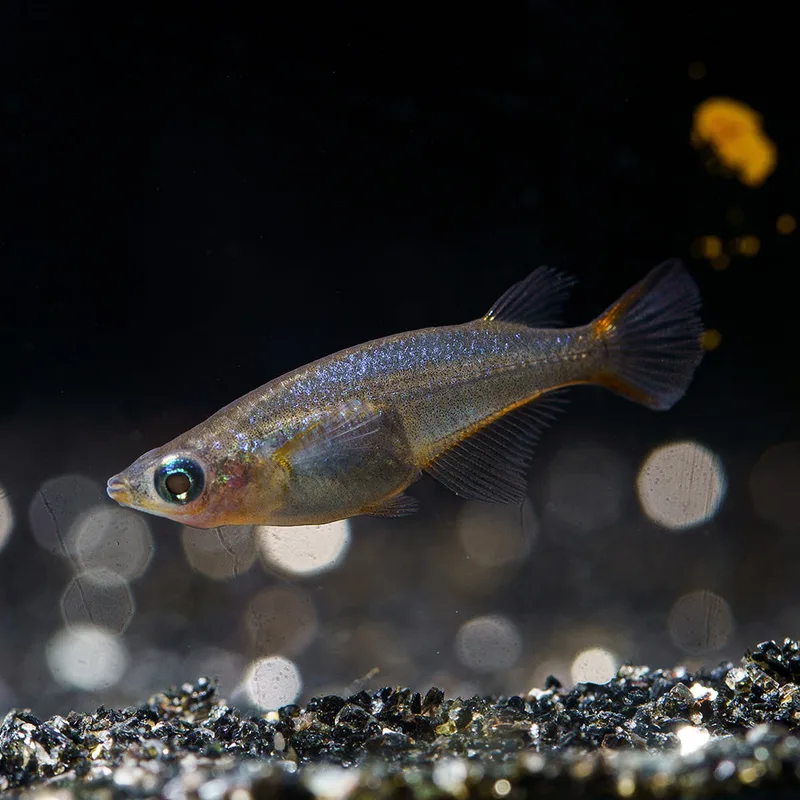
Flip Aquatics Ricefish Food
Best Specialty Food- ✓ Formulated specifically for ricefish and nano species
- ✓ Floats at the surface where medaka naturally feed
- ✓ Fine particle size works for fry and adults
- ✗ Only available through Flip Aquatics website
- ✗ Small container size for the price
If you want a food specifically formulated for ricefish, Flip Aquatics makes a floating micro food that stays at the surface where medaka prefer to eat. The fine particle size also works for larger fry.
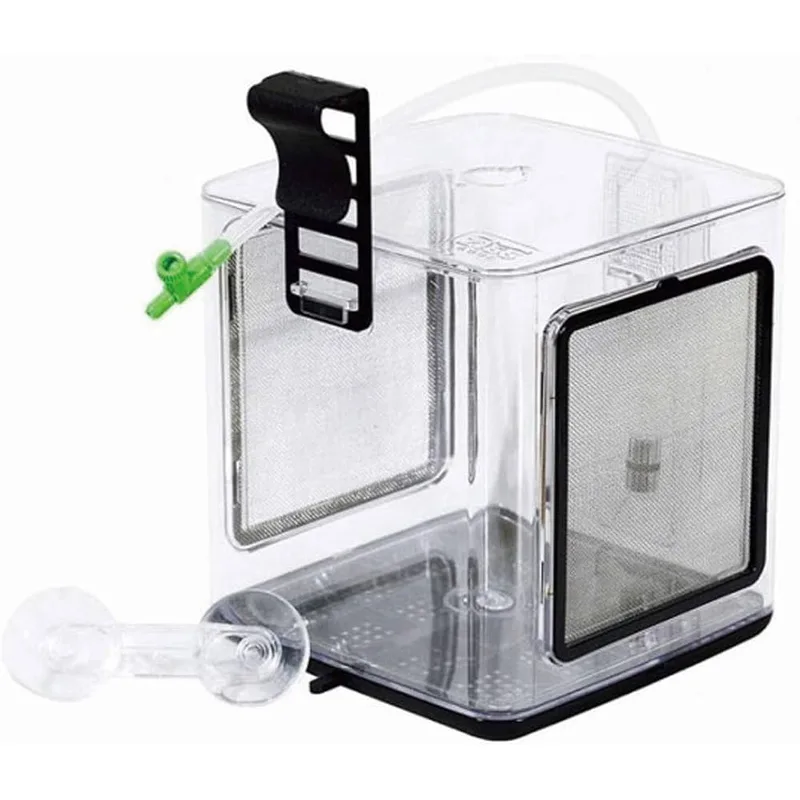
Ziss BL-2 EZ Breeder Box
Best Breeder Box- ✓ Slotted walls provide constant water flow without fry escaping
- ✓ Clear acrylic makes it easy to monitor eggs and fry
- ✓ Hangs inside the tank — no separate heater or filter needed
- ✗ Capacity is limited — best for short-term egg holding
- ✗ Requires regular cleaning of slots to maintain flow
The Ziss breeder box is the best way to isolate egg-laden spawning mops or individual females without setting up a whole separate tank. The slotted walls maintain water flow while keeping fry contained.
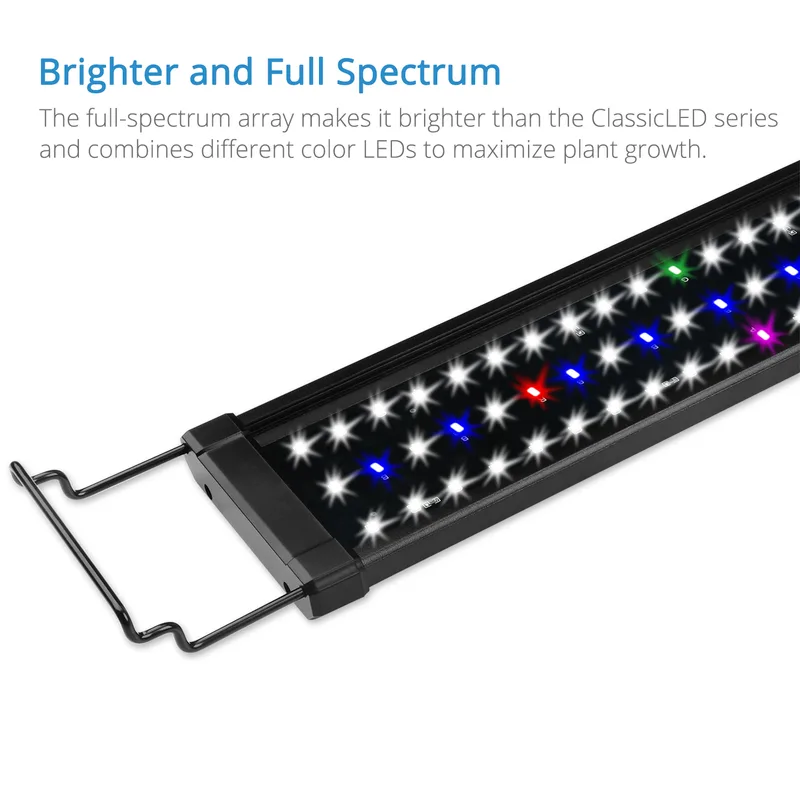
NICREW ClassicLED Plus Planted Light
Best Budget Light- ✓ Affordable full-spectrum lighting that grows low-tech plants well
- ✓ Built-in timer simplifies daily light schedules
- ✓ Adjustable legs fit a range of tank sizes
- ✗ Not powerful enough for demanding carpeting plants
- ✗ Brackets can feel flimsy on rimless tanks
For indoor tanks, the NICREW ClassicLED Plus provides enough light to grow low-tech plants and brings out the metallic colors in Miyuki and Lame strains. The built-in timer is a nice convenience.
Frequently Asked Questions
How many ricefish can I keep in a 10-gallon tank?
A comfortable colony is 12–15 adults in a well-filtered, planted 10-gallon. They have a low bioload, but overstocking stresses fish and reduces breeding success. Start with 6–8 and let the colony grow naturally.
Can ricefish live with shrimp?
Absolutely. Ricefish are peaceful and their mouths are too small to eat adult Neocaridina or Amano shrimp. They will eat baby shrimp if they can catch them, but heavily planted tanks give shrimplets plenty of hiding spots. Medaka and cherry shrimp are one of the best nano community combinations.
Do ricefish need a heater?
In most homes, no. They thrive at room temperature and tolerate a range from the mid-50s to the mid-80s°F. Only use a heater if your room regularly drops below 60°F or if you want to maximize breeding output year-round.
How long do ricefish live?
Average lifespan is 2–4 years in captivity, with some individuals reaching 5 years. Outdoor-kept medaka that experience seasonal temperature swings sometimes live longer than constantly warm indoor fish, likely due to the metabolic slowdown during cooler months.
What fish can live with ricefish?
Other peaceful nano fish work well — endlers, celestial pearl danios, and small corydoras like pygmy cories. Avoid anything large enough to eat them or aggressive enough to nip fins. Ricefish are docile and will lose any conflict with pushy tankmates.
Are ricefish good for beginners?
They are arguably the best beginner fish available. Hardier than bettas, more interesting than common guppies, and their breeding behavior gives new keepers an engaging project. The only caveat is that some of the rarer strains carry higher price tags, so start with Youkihi or standard Miyuki to learn the basics.
Conclusion
Ricefish combine everything appealing about fishkeeping — beautiful coloration, easy care, fascinating breeding projects, and true outdoor viability. The Japanese medaka hobby has produced strains to suit every taste, from the classic orange Youkihi to the shimmering Lame varieties. For warm-climate keepers who want to run outdoor tubs from spring through fall, nothing beats medaka. Start with a hardy strain, set up a simple planted tub, and let these remarkable little fish do what they have been doing in Asian rice paddies for thousands of years.