The platinum medaka — also known as Miyuki — is the strain that made ricefish popular outside of Japan. That electric silver-blue metallic sheen running along the dorsal surface catches light in a way that makes these small fish look almost holographic. In sunlight, a school of platinum medaka in an outdoor tub produces flashes of reflected light that no freshwater fish this size can match.
Platinum medaka are also among the hardiest ricefish strains, which makes them an excellent entry point for hobbyists new to medaka keeping. They breed readily, tolerate a wide temperature range, and their metallic trait breeds relatively true compared to more complex multi-gene strains.
Understanding the Platinum Trait
The “platinum” or “Miyuki” phenotype is caused by iridophores — reflective pigment cells in the skin — concentrated along the dorsal surface of the fish. The intensity and coverage of this metallic sheen varies by grade:
Grading System
Weak (Hikarimono): Metallic sheen visible only on the head and upper back. The reflective area covers less than one-third of the body length. Common in unselected populations.
Medium (Miyuki): Metallic coverage extends from the head through most of the back, covering roughly half to two-thirds of the body. This is what most hobbyists consider “platinum” grade.
Full (Full Miyuki / Super Platinum): The metallic sheen covers the entire dorsal surface from head to tail with no gaps or breaks. These are premium-grade fish that command the highest prices and breed the most consistent offspring.
Extended (Ginrin / Lame): Reflective cells extend beyond the dorsal surface onto the sides and even the belly. The entire fish appears metallic. This is a separate but related trait often combined with platinum genetics.
Selecting Breeding Stock
When establishing a platinum medaka colony, start with the highest grade fish you can afford. Full-coverage Miyuki paired together produce a higher percentage of full-coverage offspring than weak-grade fish do. Starting with medium or low-grade platinum and trying to breed upward takes many more generations.
Look for:
- Continuous metallic coverage with no gaps or spots
- Straight body shape with no curvature
- Active swimming behavior
- Clean fins without damage or deformity
Care Requirements
Platinum medaka care is identical to other medaka strains. They are an extremely adaptable species.
Water Parameters
| Parameter | Acceptable Range | Optimal |
|---|---|---|
| Temperature | 40-95degF | 68-80degF |
| pH | 6.5-8.0 | 7.0-7.5 |
| GH | 4-20 dGH | 8-12 dGH |
| KH | 2-12 dKH | 4-8 dKH |
Medaka are eurythermal — they tolerate an enormous temperature range. They thrive in summer heat and survive near-freezing winter temperatures by entering dormancy. This makes them ideal for outdoor keeping in USDA Zones 7-9 where water temperatures may range from 40degF in January to 90degF in August.
Tank/Container Size
Indoors: Minimum 5 gallons for a trio, 10+ gallons for a breeding colony of 6-8 fish.
Outdoors: Any container holding 3+ gallons works. Planters, tubs, half-barrels, and ceramic pots all serve as suitable medaka habitats. Darker containers reduce stress and show off the platinum sheen better than light-colored ones.
Feeding
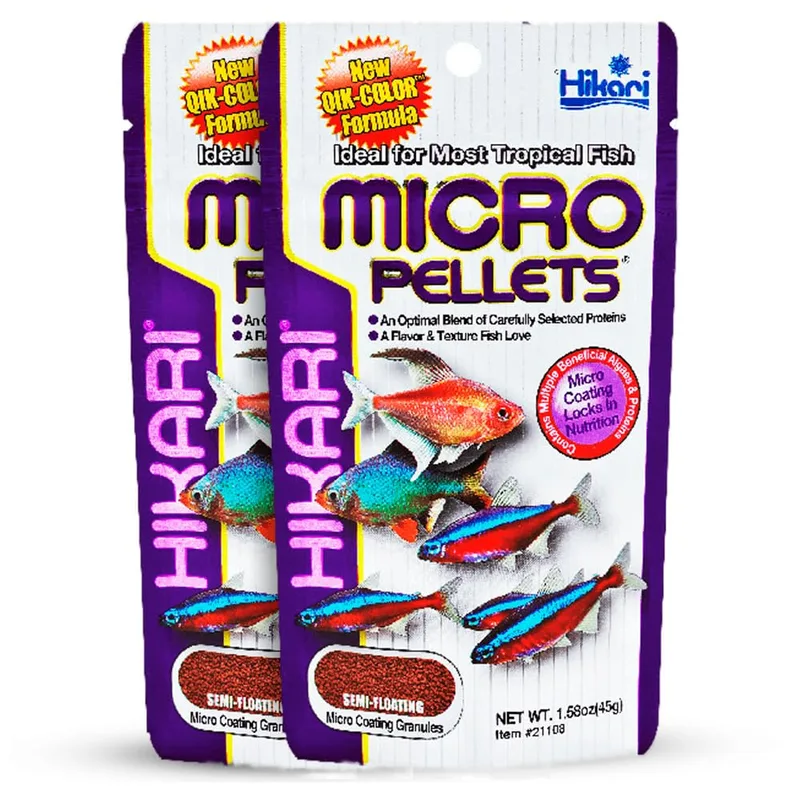
Hikari Micro Pellets
Best Daily Food- ✓ Perfect pellet size for medaka mouths
- ✓ Semi-floating keeps food at the surface where medaka feed
- ✓ High protein supports breeding condition
- ✗ Small container for active feeding schedules
- ✗ Some pellets sink too fast for surface feeders
Medaka are surface feeders with small, upturned mouths. They eat best from the water surface or in the top few inches of the water column. Floating or semi-floating micro pellets work perfectly. Feed once or twice daily during the active season (spring through fall) — only what they consume in 2-3 minutes.
Live foods for breeding condition: Daphnia, moina, and baby brine shrimp trigger breeding activity and produce the healthiest eggs. Feed live foods 2-3 times per week during breeding season.
Winter feeding: Stop feeding entirely when water temperature drops below 50degF. Medaka metabolism slows to near-zero in cold water, and uneaten food fouls the water.
Outdoor Keeping in USDA Zones 7-9
Platinum medaka are one of the best fish for year-round outdoor keeping in the warm southern US’s USDA Zones 7-9 climate. Their temperature tolerance means they can stay outside all year with minimal winter protection.
Spring (March-April)
Resume feeding when water temperatures consistently exceed 55degF. Start with small amounts every other day and increase to daily as temperatures rise. Clean containers, remove winter debris, and do a 30-50% water change to start the season fresh.
Summer (May-September)
Peak season. Feed daily or twice daily. Breeding is in full swing — females produce eggs almost daily once water exceeds 75degF and daylight is 12+ hours. Collect eggs from spawning mops or floating plants for maximum fry production, or let the colony self-manage.
Provide partial shade during the hottest weeks. While medaka tolerate heat well, water above 90degF with direct sun can deplete oxygen. A floating plant canopy (water lettuce, water hyacinth) provides natural shade and temperature moderation.
Fall (October-November)
Reduce feeding as temperatures drop. Stop entirely below 50degF. Remove dead plant material that could decompose over winter.
Winter (December-February)
Fish enter dormancy. No feeding, minimal disturbance. Ensure the container does not freeze solid — a container 12+ inches deep with decent volume provides adequate thermal mass for most USDA Zones 7-9 winters. Cover with foam board or bubble wrap during hard freezes below 25degF.
Breeding Platinum Medaka
Triggering Breeding
Medaka breed when three conditions are met:
- Water temperature above 75degF
- Daylight hours exceed 12-13 hours
- Fish are well-fed and in breeding condition
Outdoors, these conditions naturally align from late May through September. Indoors, use a light timer set to 14 hours and a heater at 78degF.
Egg Collection
Females carry fertilized eggs in a cluster attached to their ventral region for several hours after spawning. Eventually, they brush the eggs off onto plants, moss, or spawning mops.
Spawning mops: Dark-colored yarn tied to a floating cork. Place in the container, check daily, and remove mops with eggs attached. Transfer to a separate hatching container with clean, aged water.
Plant collection: If using java moss, hornwort, or floating plants, simply move egg-bearing plants to a separate container.
Incubation
Medaka eggs hatch in 10-14 days at 78-80degF. Cooler water extends incubation. Warmer water shortens it but can increase deformity rates above 84degF.
Keep eggs in clean water with a drop of methylene blue to prevent fungal growth. Remove any eggs that turn opaque white — these are unfertilized and will fungus, potentially spreading to viable eggs nearby.
Fry Rearing
Medaka fry are small but robust. They can eat vinegar eels, infusoria, or powdered fry food immediately after absorbing their yolk sac (2-3 days post-hatch). Graduate to baby brine shrimp and crushed pellets after one week.
Keep fry in a separate container until they reach about 1 cm (3-4 weeks). At that size, they can be returned to the main colony without significant predation risk.
Selective Breeding for Platinum Quality
To improve platinum coverage over generations:
- Grade juveniles at 6-8 weeks when metallic sheen becomes visible
- Keep only fish showing the strongest, most continuous dorsal coverage
- Cull fish with gaps, spots, or weak metallic development to a separate container
- Pair full-coverage males with full-coverage females for the next generation
- Introduce unrelated platinum medaka every 4-5 generations to prevent inbreeding depression
Where to Buy Platinum Medaka
- Online specialty breeders: Facebook groups, Instagram sellers, and dedicated medaka sites offer the highest grade fish. Expect $5-15 per fish for quality stock.
- Aquabid: Auction site with occasional medaka listings. Variable quality.
- Local hobbyist groups: Check local aquarium clubs and Facebook marketplace. Prices and quality vary.
- Flip Aquatics: Carries ricefish strains including platinum varieties. Shop at Flip Aquatics
Frequently Asked Questions
How long do platinum medaka live?
2-4 years in optimal conditions. Outdoor fish exposed to natural seasonal cycles often live toward the upper end of this range.
Can platinum medaka live with shrimp?
Yes. Medaka mouths are small and they are not aggressive hunters. Adult neocaridina shrimp are completely safe. Very small baby shrimp may occasionally be eaten, but in a planted container, shrimp colonies thrive alongside medaka.
Do platinum medaka lose their metallic sheen?
No — the platinum trait is genetic and permanent. However, poor nutrition, stress, or disease can cause the sheen to appear duller. Healthy, well-fed fish display the strongest metallic expression. Dark containers and substrates also make the platinum sheen more visible by contrast.
Are platinum medaka the same as Miyuki medaka?
Yes. “Platinum” is the English common name; “Miyuki” is the Japanese name for the same strain. Both refer to fish with concentrated dorsal iridophore coverage producing a silver-blue metallic sheen.
Can I keep platinum medaka indoors year-round?
Absolutely. A 10-gallon tank with a sponge filter, light on a timer (12-14 hours for breeding), and temperature at 72-78degF is a perfect indoor medaka setup. They breed well indoors with consistent lighting and feeding.