Medaka ricefish are one of the best-kept secrets in the outdoor fishkeeping hobby. These small, hardy fish have been selectively bred in Japan for centuries, and the variety of strains available today — platinum, orange, blue, black — rivals anything in the guppy or betta world.
What makes medaka ideal for outdoor tubs is their temperature tolerance. They handle a wide range from about 40degF to 95degF, which means here in the warm southern US (USDA Zones 7-9), they can live outside from March through October and often year-round if winters stay mild. They eat mosquito larvae, breed prolifically in summer, and require almost zero filtration in a properly planted container.
Choosing a Container
The most common mistake is overthinking this. Medaka do not need a glass aquarium or an expensive pond. They thrive in simple containers:
Resin planters (3-10 gallons): The Bloem Saturn or similar BPA-free resin planters make excellent small medaka tubs. Make sure there are no drainage holes, or plug them with silicone.
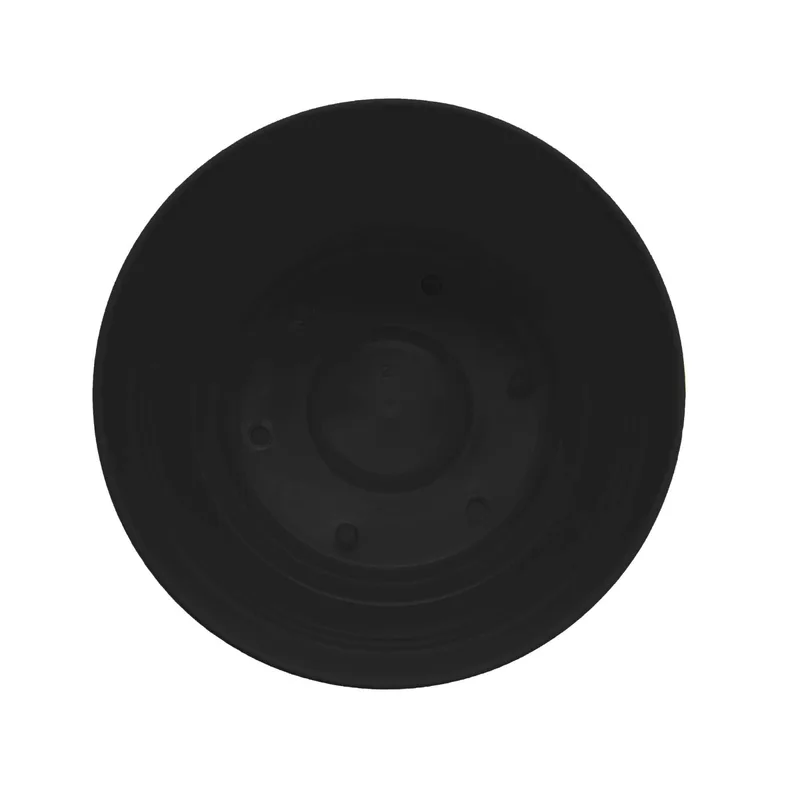
Bloem Saturn Planter 12-Inch
Best Small Tub- ✓ Affordable entry point for a medaka tub
- ✓ UV-resistant resin withstands outdoor conditions
- ✓ Drainage hole easily plugged with silicone for water use
- ✗ Small capacity limits fish numbers
- ✗ Needs shade management in hot summers
Plastic storage tubs (10-30 gallons): Large Rubbermaid or Sterilite tubs work perfectly. Choose dark colors — light-colored containers promote algae growth and make fish feel exposed.
Half whiskey barrels (15-25 gallons): These look great on a patio but must be lined with a pond liner or food-safe plastic. The wood preservatives used on most barrels will leach chemicals that kill fish.
Ceramic pots (5-15 gallons): Glazed ceramic pots are inert and attractive. Unglazed terra cotta is also safe but will absorb and release minerals. Avoid anything with a drainage hole unless you can seal it reliably.
Size Guidelines
For medaka, plan on 1 gallon per fish as a minimum. A 10-gallon tub can comfortably hold 6-8 adult medaka. During breeding season, you will want a separate container for fry collection — medaka will eat their own eggs and fry.
Water Setup
Tap Water
Most municipal tap water works for medaka. Dechlorinate with a standard water conditioner (Seachem Prime or API Tap Water Conditioner) and let the tub sit for 24-48 hours before adding fish. Medaka tolerate a wide pH range (6.5-8.0) and moderate hardness.
No Filter Needed (Usually)
In a properly planted outdoor tub, filtration is optional. Plants and algae process ammonia and nitrate naturally, and the open surface provides gas exchange. A small sponge filter adds insurance if your tub is densely stocked, but most hobbyists run medaka tubs with plants only.
Water Changes
Replace 20-30% of the water weekly during the active season. Top off evaporation with dechlorinated water between changes. In summer heat, a tub in direct sun can lose significant water to evaporation — check levels daily during heat waves.
Plants for Medaka Tubs
Plants are not decoration in a medaka tub — they are the filtration system. Stock heavily from the start.
Floating Plants
- Water lettuce: Fast-growing surface cover that shades the tub and absorbs excess nutrients. Trim regularly to prevent complete light blockage.
- Salvinia minima: Small floating fern that multiplies quickly. Provides hiding spots for fry.
- Red root floaters: Attractive red roots that medaka fry use as shelter. Slower-growing than water lettuce.
Submerged Plants
- Hornwort: Nearly indestructible and grows rapidly. Absorbs nutrients aggressively and provides excellent fry cover.
- Anacharis (Egeria densa): Fast-growing stem plant that does well in outdoor conditions. Can be planted or left floating.
- Java moss: Attaches to rocks and wood, creating dense mats where fry hide. Grows slowly in outdoor tubs compared to tropical aquariums.
Emergent Plants
- Dwarf papyrus: Grows from the pot with stems above water. Adds visual interest and a natural wetland look.
- Sweet flag (Acorus): Hardy, grass-like emergent that tolerates partial submersion. USDA Zones 7-9 hardy.
- Water hyacinth: Beautiful purple flowers and aggressive nutrient absorption. Check local regulations — water hyacinth is invasive in some states.
Breeding Medaka Outdoors
Medaka breed actively when water temperatures exceed 75degF and daylight hours are long — basically June through September in the warm southern US. Males display to females with extended fins, and females carry fertilized eggs in a cluster attached to their ventral area for several hours before depositing them on plants.
Egg Collection
Medaka eggs are surprisingly tough. You can gently pluck them off a female’s belly or collect them from spawning mops and floating plants. Transfer eggs to a separate container with clean, aged water. At 78-82degF, eggs hatch in 10-14 days.
Spawning mops — bundles of dark yarn attached to a floating cork — are the easiest collection method. Place them in the tub, check daily, and transfer any eggs you find.
Fry Care
Medaka fry are tiny and need infusoria or powdered food for the first week. After that, they can eat crushed flake food or a dedicated fry food.
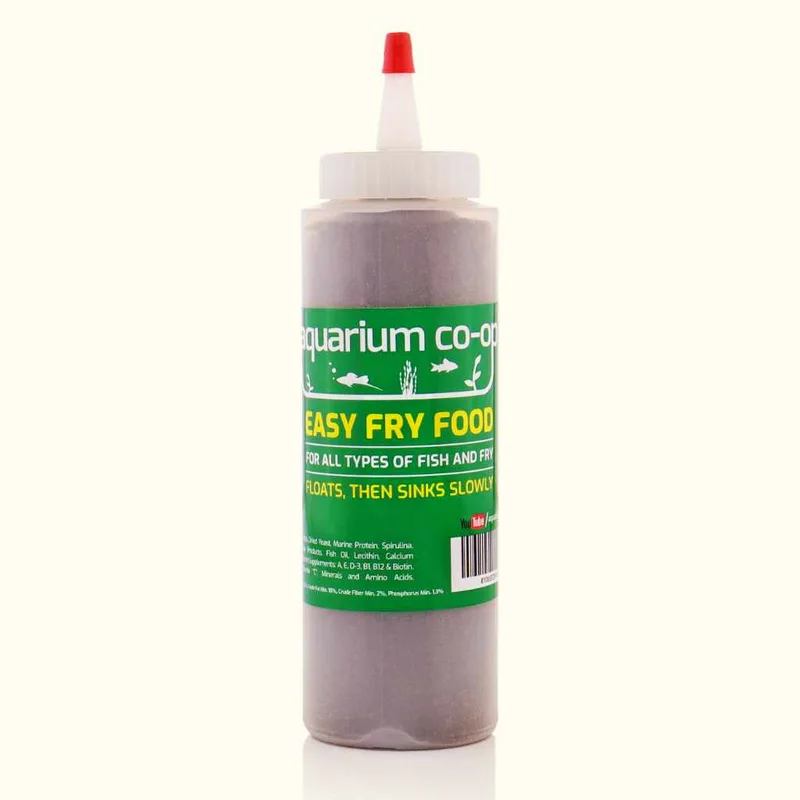
Aquarium Co-Op Easy Fry and Small Fish Food
Best Fry Food- ✓ Fine particle size perfect for medaka fry
- ✓ High protein supports rapid growth
- ✓ Does not cloud water when fed in small amounts
- ✗ Only available direct from Aquarium Co-Op
- ✗ Small container for the price
Keep fry in a separate container until they reach about 1cm — at that size, adults are less likely to eat them. In a heavily planted tub, some fry will survive without separation, but you will get much higher survival rates with a dedicated grow-out container.
Seasonal Care in the warm southern US (USDA Zones 7-9)
Spring (March-April)
Move tubs outside once overnight temperatures consistently stay above 50degF — typically mid-March in the warm southern US. Start feeding lightly and ramp up as temperatures rise. This is the time to clean containers, refresh substrate, and add new plants.
Summer (May-September)
Peak season. Feed daily, perform weekly water changes, and manage floating plants that can take over the surface. Provide partial shade during the hottest weeks — medaka tolerate heat well, but water above 90degF reduces dissolved oxygen and stresses fish.
Breeding will be in full swing. Collect eggs regularly if you want to maximize fry output, or let nature take its course for lower-maintenance breeding.
Fall (October-November)
Reduce feeding as temperatures drop. Once water temperature falls below 60degF, medaka metabolism slows significantly. Stop feeding entirely below 50degF — uneaten food will foul the water.
Winter (December-February)
Southern winters are generally mild, but occasional freezes can be dangerous. Medaka can survive brief cold snaps down to near-freezing if the tub is large enough to maintain thermal mass and does not freeze solid.
For safety: If temperatures are forecast to drop below 35degF for more than a few hours, either bring tubs indoors to an unheated garage or cover them with insulating material (foam boards, blankets, bubble wrap). A small container under 5 gallons is at highest risk of freezing through.
Most years in the warm southern US, you can leave a 10+ gallon tub outside year-round with minimal winter intervention. But have a backup plan for the occasional hard freeze.
Common Medaka Strains
Platinum (Miyuki): Silver-white body with a reflective platinum sheen on the back. The most popular strain and widely available. Hardy and prolific breeders.
Orange: Bright orange coloration similar to goldfish. Easy to spot in outdoor tubs. Excellent beginner strain.
Youkihi: Red and white bicolor pattern. Visually striking and relatively stable genetically.
Black: Deep melanistic coloration. Looks dramatic against green plants. Some black strains can be delicate — start with a reputable source.
Lame (Sparkle): Reflective scales that produce a glittering effect. Increasingly popular and available from specialty breeders.
Predator Protection
Outdoor tubs attract attention from cats, birds, raccoons, and insects. Basic precautions:
- Bird netting or hardware cloth: Cover the tub with 1/2-inch hardware cloth to prevent herons and other birds from fishing. This also stops cats.
- Mosquito control: Medaka eat mosquito larvae aggressively, which is one reason they are popular for outdoor containers. A well-stocked tub eliminates mosquito breeding on its own.
- Raccoons: Raccoons can reach through hardware cloth. If they are a problem in your area, weight the cover or use a more secure lid.
- Dragonfly larvae: These predatory nymphs can enter your tub and hunt fry. Inspect plants before adding them and remove any suspicious larvae.
Frequently Asked Questions
Can medaka ricefish live with guppies outdoors?
Yes, but keep in mind that guppies need warmer water — minimum 65degF — so their outdoor season is shorter than medaka. Both species are peaceful and similar in size. The main concern is hybridization risk, which is zero since they are different families entirely.
Do medaka need a heater outdoors?
Not during the active season in USDA Zones 7-9. Water temperatures from March through October are well within their comfort range. For overwintering outdoors, a small pond heater set to 40degF can prevent freezing in smaller containers.
How many medaka can I keep in a 5-gallon tub?
Three to four adults is comfortable for a 5-gallon container. With heavy planting and regular water changes, you can push to five, but fewer fish means better water quality and less maintenance.
Where do I buy medaka ricefish?
Specialty online breeders are the best source for specific strains. Aquabid, Facebook ricefish groups, and dedicated medaka sellers offer the widest variety. Local fish stores occasionally carry basic strains, but selection is limited compared to online options.
Do I need substrate in a medaka tub?
No. Many hobbyists run bare-bottom tubs for easy cleaning. If you want a more natural look, a thin layer of pool filter sand or fine gravel works well. Avoid deep substrate in small containers — it traps waste and promotes anaerobic bacteria.