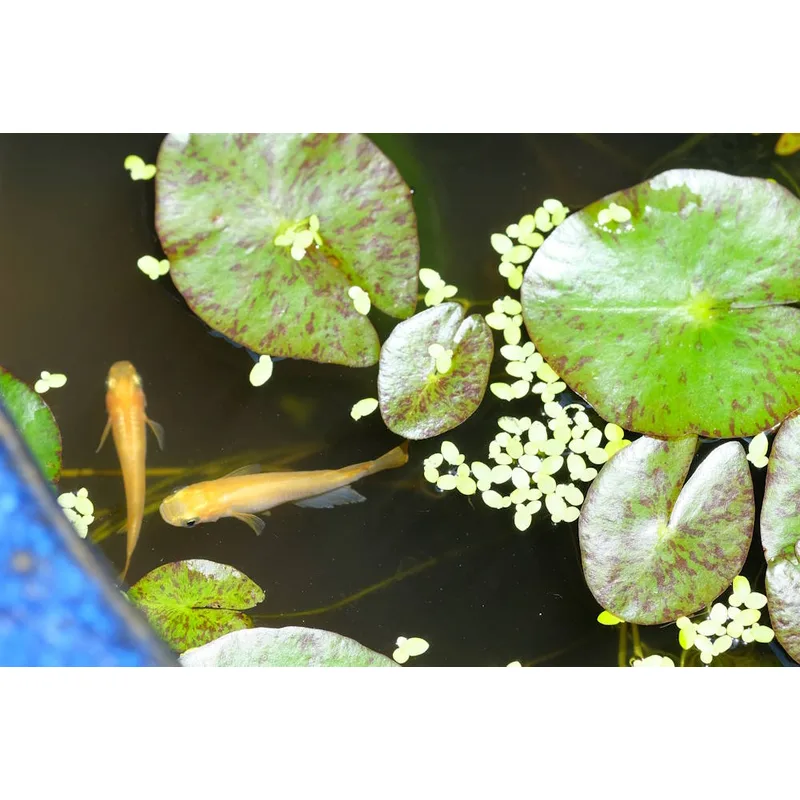
Ricefish (medaka, Oryzias latipes) are arguably the best fish for outdoor patio ponds in temperate climates. They tolerate a wider temperature range than guppies (down to the low 40s°F versus guppies’ 65°F minimum), eat mosquito larvae aggressively, breed prolifically in warm months, and come in dozens of stunning color varieties that rival any tropical fish.
In USDA Zones 7-9, ricefish can stay outdoors from early March through late November — nearly two months longer than guppies. Some hardier varieties can even overwinter outdoors if the pond is deep enough (12+ inches) and does not freeze solid. This makes them one of the most practical choices for year-round outdoor fishkeeping in warm-climate regions.
This guide walks you through setting up an outdoor ricefish pond from scratch.
Step 1: Choose Your Container
Ricefish thrive in shallow, wide containers. Depth matters less than surface area because they are surface-dwelling fish that spend most of their time in the top 4 inches of water.
Good Container Options
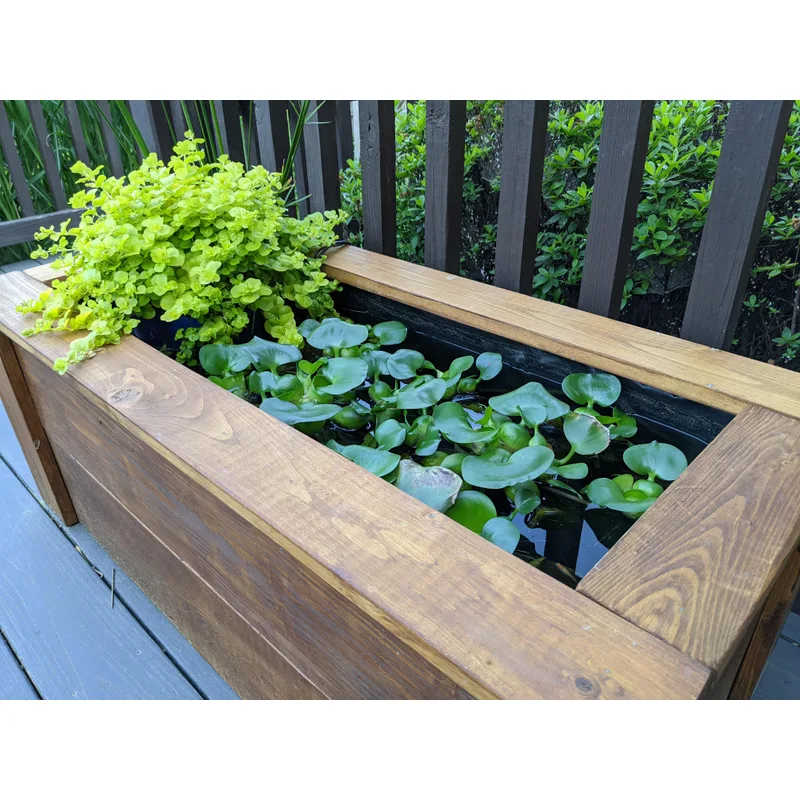
- Resin or ceramic planters (15-30 gallons): The most attractive option. Look for patio planters without drainage holes, or seal existing holes with silicone.
- Stock tanks (40-100 gallons): Rubbermaid or farm-supply stock tanks are cheap, durable, and provide ample space for a colony.
- Whiskey barrel halves (25 gallons): Attractive and rustic, but must be lined with a pond liner to prevent wood chemicals from leaching into the water.
- Plastic storage tubs (20-50 gallons): The budget option. Not pretty, but functional.
Our Best Patio Pond Kits roundup compares complete container options from 10 to 100+ gallons if you want a ready-made setup instead of building one from parts.
Sizing Guidelines
- Minimum: 10 gallons for 6-8 ricefish
- Recommended: 20-40 gallons for a breeding colony of 12-20 fish
- Ideal: 40+ gallons with plants for a self-sustaining ecosystem
Wider and shallower is better than narrow and deep. A 30-gallon container that is 24 inches wide and 10 inches deep is preferable to a 30-gallon container that is 14 inches wide and 18 inches deep.
Step 2: Position the Pond
Light Requirements
Ricefish ponds need 4-6 hours of direct sunlight per day for:
- Plant growth (which maintains water quality)
- Warming the water in spring and fall
- Stimulating breeding behavior (longer days trigger spawning)
Avoid all-day direct sun in summer — afternoon shade prevents the water from overheating above 90°F, which stresses ricefish. East-facing positions that get morning sun and afternoon shade are ideal in warm-climate regions.
Placement Considerations
- Place on a stable, level surface that can support the weight (water weighs 8.3 lbs/gallon)
- Position near a water source for easy water changes
- Keep away from trees that drop leaves (decomposing leaves foul water)
- Ensure easy access for maintenance and feeding
- Consider predator protection (herons, cats) — more on this later
Step 3: Set Up Substrate and Hardscape
Substrate
A thin layer (1-2 inches) of pool filter sand or pea gravel provides a natural look and anchors rooted plants. Ricefish do not need substrate — a bare-bottom container works fine and is easier to clean — but planted ponds with substrate look better and maintain better water quality long-term.
Rinse substrate thoroughly before adding to prevent cloudiness.
Hardscape
- Rocks and stones: Provide visual interest and anchor plants
- Driftwood: Adds tannins that lower pH slightly (ricefish tolerate this well) and provides biofilm surfaces
- Terracotta pots: Can be used to plant marginal plants or provide shade structures
Step 4: Add Plants
Plants are essential in an outdoor ricefish pond. They:
- Filter waste (absorb ammonia and nitrate)
- Oxygenate the water
- Provide spawning sites for egg-scattering ricefish
- Give fry hiding places from adults
- Shade the water, reducing temperature swings
Recommended Plants
Floating:
- Water lettuce — provides shade and root cover
- Duckweed — aggressive nutrient absorption (may need thinning)
- Salvinia — attractive floating fern
Submerged:
- Hornwort — hardy oxygenator, survives winter in USDA Zones 7-9
- Anacharis — fast-growing nutrient sponge
- Java moss — excellent spawning medium for ricefish eggs
Marginal (edge plants):
- Dwarf papyrus — vertical interest, hardy in USDA Zones 7-9
- Creeping jenny — cascades over container edges
- Dwarf cattail — provides structure (only for larger ponds)
Our Best Aquatic Plants for Patio Ponds roundup covers specific varieties, stocking density, and winter hardiness in more detail.
Spawning Medium
Ricefish scatter eggs on fine-leaved plants and floating moss. Java moss and dedicated spawning mops are the two most effective egg-collection methods. Ricefish eggs are sticky and adhere to these surfaces, where you can harvest them to raise fry separately or leave them in place.
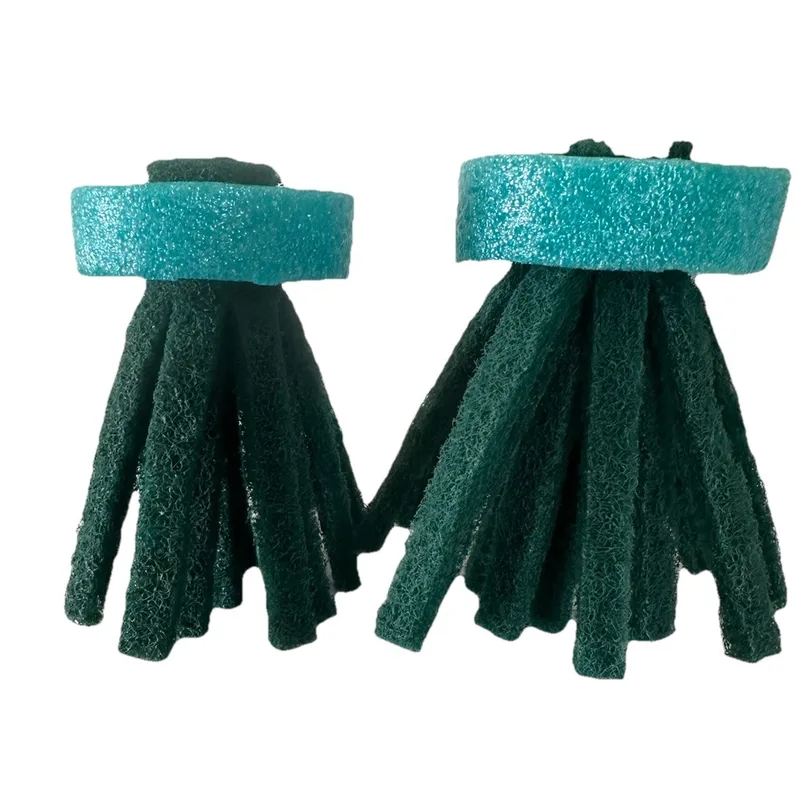
BaoZqua Medaka Spawning Mop Kit
Best Egg Collection- ✓ Complete kit — mops, hatch box, fry nets, droppers, and tweezers all included
- ✓ Dense fiber mimics the fine-leaved plants ricefish naturally spawn on
- ✓ Hatch box keeps collected eggs isolated and protected from fungus
- ✓ Floats correctly at the surface where ricefish spend their time
- ✗ More expensive than buying bare mops
- ✗ Kit size may exceed what a single breeding pair requires
The BaoZqua kit bundles ten floating mops with a hatch box, fry nets, droppers, and egg tweezers, so you have everything needed to collect and incubate eggs without hunting for separate accessories. Position mops at the surface — ricefish will not use a mop that sinks to the bottom.
Step 5: Fill and Cycle
Water
Fill the container with dechlorinated water. If using tap water, add a dechlorinator before adding fish. Alternatively, fill and let the water sit for 48+ hours with an air stone running to off-gas chlorine.
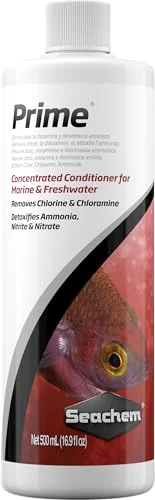
Seachem Prime
Essential Dechlorinator- ✓ The industry standard — more aquarists use Prime than any other conditioner
- ✓ Detoxifies ammonia and nitrite for 24-48 hours during cycling
- ✓ Extremely concentrated — a 500ml bottle lasts months of pond top-offs
- ✓ Safe for all freshwater species, including any shrimp sharing the pond
- ✗ Strong sulfur smell that some people find unpleasant
- ✗ Easy to overdose due to the high concentration — measure carefully for pond volume
Seachem Prime detoxifies chlorine, chloramine, and any ammonia or nitrite spikes for 24-48 hours, which makes it useful insurance during both initial fill and the early cycling weeks. It is heavily concentrated, so measure carefully against your actual pond volume rather than eyeballing it.
Cycling
Cycle the pond using the fishless method:
- Add plants immediately (they absorb ammonia and speed cycling)
- Add a pinch of fish food daily or dose pure ammonia to 2 ppm
- Test ammonia and nitrite every few days
- Wait 4-6 weeks until ammonia and nitrite both read 0
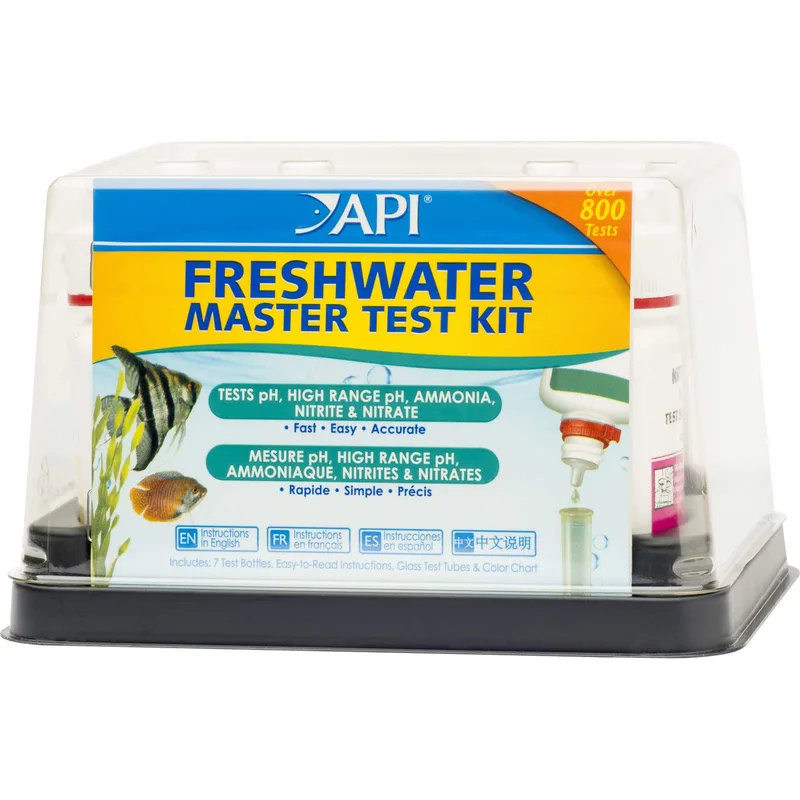
API Freshwater Master Test Kit
Essential Water Testing- ✓ Covers the parameters that matter most while cycling a new pond
- ✓ Liquid reagents are far more accurate than test strips
- ✓ 800+ tests make it cost-effective across multiple ponds and tanks
- ✓ High Range pH test matters since ricefish tolerate alkaline water well
- ✗ Only 4 glass tubes for 5 tests, so tubes must be rinsed between uses
- ✗ No GH or KH test included — buy the API GH/KH kit separately
The API Master Test Kit’s liquid reagents track ammonia, nitrite, and both pH ranges throughout the cycle far more reliably than test strips. In a planted pond with good sunlight, cycling often proceeds faster than in indoor tanks because the plants actively consume ammonia alongside the developing bacteria.
Seeding Bacteria
If you have an established indoor aquarium, squeeze filter sponge water into the pond or transfer a piece of used media. This introduces live nitrifying bacteria and can cut cycling time to 2-3 weeks.
Step 6: Add Ricefish
Sourcing
Ricefish are available from:
- Online specialty breeders (most reliable for specific varieties)
- Local aquarium clubs and swap meets
- Some local fish stores (usually only basic varieties)
- Aquabid and similar auction sites
Popular varieties for ponds: Platinum Miyuki, Orange Medaka, Youkihi (red-orange), Lame (sparkle/glitter), Black Medaka. Our Ricefish Strains Guide walks through the major variety groups if you want to plan a color scheme before you buy.
Acclimation
Float the bag in the pond for 15-20 minutes to equalize temperature. Then drip-acclimate over 30-60 minutes by slowly adding pond water to the bag. Release the fish gently — do not dump bag water into the pond (it may contain ammonia from shipping).
Stocking
Start with 6-10 ricefish for a 20-gallon pond. They will breed rapidly in warm weather, and the colony will grow to fill the available space. Do not overstock initially — ricefish breed fast enough to populate a pond on their own within a single summer season. For day-to-day care once fish are in the pond, our Medaka Ricefish Care Guide covers feeding, breeding, and health in more depth.
Step 7: Seasonal Care (USDA Zones 7-9)
Spring (March-April)
- Water temperatures reach 60°F — ricefish become active again
- Resume feeding (start light, increase as water warms)
- Add floating plants once overnight temps stay above 55°F
- Check water parameters after winter dormancy
- Begin spawning observation by late April
Summer (May-September)
- Peak breeding season — ricefish spawn daily at 75°F+
- Feed 2-3 times daily
- Monitor water temperature — shade the pond if it exceeds 88°F
- Thin floating plants to maintain 50-60% surface coverage
- Harvest eggs weekly if you want to control population
- Top off evaporation with dechlorinated water (do not add remineralizer to top-offs)
Fall (October-November)
- Reduce feeding as temperatures drop below 65°F
- Remove dying floating plants before they decompose
- Ricefish remain active down to 50°F but stop breeding
- Perform a final water change and clean accumulated debris
- Unlike guppies, ricefish do NOT need to come indoors at 65°F
Winter (December-February)
- Ricefish enter torpor below 50°F — do not feed
- Ensure the pond does not freeze solid (12+ inches of depth prevents this in USDA Zones 7-9)
- A floating deicer keeps a hole open for gas exchange during rare hard freezes
- Minimal intervention needed — let the fish rest
- Hornwort turions survive underwater and regrow in spring
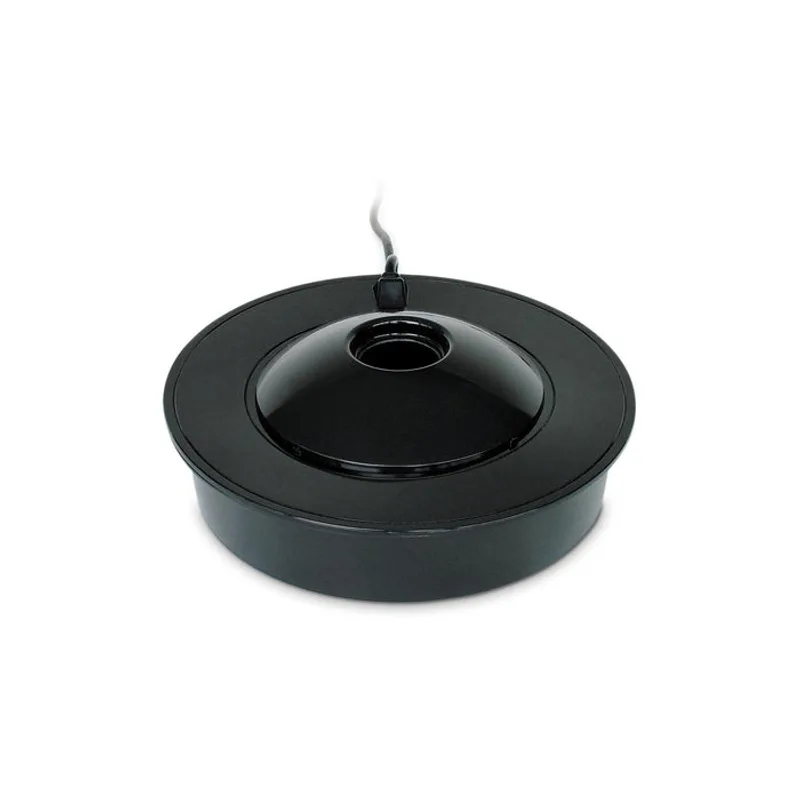
K&H Thermo-Pond 3.0 Deicer
Best for Winter- ✓ Keeps a hole open in ice for gas exchange during rare hard freezes
- ✓ Only draws power when water drops below 40°F — energy efficient
- ✓ Safety listed and well-reviewed for years of reliable outdoor use
- ✗ Only prevents ice — does not heat the pond to tropical temperatures
- ✗ Not needed most winters in USDA Zones 7-9, but cheap insurance for a hard freeze
Most winters in USDA Zones 7-9 never approach solid freezing in a 12+ inch pond, so a deicer sits unused more years than not. It is still worth having on hand — a 100W unit like the Thermo-Pond 3.0 only draws power once water drops below 40°F, so the running cost during a mild winter is close to nothing.
Step 8: Feeding
Summer Diet (active season)
- High-quality crushed flake food 2-3 times daily
- Live or frozen baby brine shrimp (enhances color and triggers spawning)
- Daphnia (live or frozen) as a treat
- Mosquito larvae (natural in outdoor ponds — the fish eat them for free)
Spring/Fall Diet (transition periods)
- Once daily feeding with flake or pellet
- Reduce portions as temperatures drop below 65°F
- Stop feeding entirely when water drops below 50°F
Fry Feeding
- Newborn ricefish fry eat infusoria and micro-organisms from established plant surfaces
- Supplemental feeding with vinegar eels or powdered fry food
- Fry grow quickly in warm, planted ponds with abundant natural food
Predator Protection
Ricefish are small (1-1.5 inches) and vulnerable to predators. For patio ponds:
- Floating pond guards or netting prevent heron strikes
- Dense floating plants provide cover from aerial predators
- Netting prevents cat paws from reaching the water
- Positioning the pond in an enclosed patio or screened area eliminates most threats
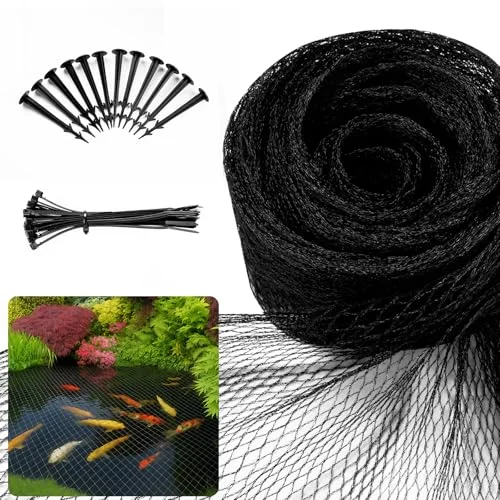
Pond Netting Cover, 7 x 10 ft (3/8-inch Mesh)
Best Predator Protection- ✓ Right-sized for patio and container ponds instead of cutting down a larger net
- ✓ Included stakes work in soil beds around raised patio ponds
- ✓ Mesh gaps are small enough to stop heron strikes on tiny ricefish
- ✓ Easy for one person to install and remove solo
- ✗ Too small for anything beyond a patio or half-barrel pond
- ✗ Rigid stakes do not anchor well in gravel or paved surfaces without added clips
A 7x10 ft netting kit sized for patio and container ponds is easier to fit and stake than cutting down a larger koi-pond net. See our Best Predator Nets for Outdoor Ponds roundup for larger coverage options if you are protecting an in-ground pond instead of a container.
Frequently Asked Questions
Can ricefish survive winter outdoors in USDA Zones 7-9?
Yes, if the pond is deep enough (12+ inches) and does not freeze solid. Ricefish tolerate temperatures down to the low 40s°F in dormancy. In warm-climate regions, where hard freezes are brief and rare, established ponds with adequate depth keep ricefish alive year-round. This is their primary advantage over guppies, which must come indoors at 65°F.
How are ricefish different from guppies for ponds?
Ricefish tolerate a wider temperature range (40-90°F vs. 65-85°F for guppies), can stay outdoors longer (March-November vs. March-October), and potentially overwinter outdoors. Guppies are livebearers (live fry), while ricefish are egg-scatterers (sticky eggs on plants). Both breed prolifically in warm weather.
Do ricefish eat mosquito larvae?
Yes, aggressively. Ricefish are surface feeders and consume mosquito larvae as soon as they appear. A healthy colony in a patio pond eliminates the mosquito problem entirely. This is actually the original purpose of medaka cultivation in Japan — biological mosquito control in rice paddies.
How many varieties of ricefish are there?
Over 500 named varieties exist in Japan, with new ones developed annually by breeders. Common groups include: Miyuki (metallic), Youkihi (orange/red), Lame (glitter), Daruma (short-body), and Hikarimono (sparkle). The hobby is relatively new in the US, but the variety selection is growing rapidly.
Can ricefish live with guppies?
In theory yes — both are peaceful and similar in size. In practice, their preferred temperature ranges overlap only partially (65-85°F), and guppies are more aggressive feeders that may outcompete ricefish. Separate ponds for each species is the better approach.
Do I need a filter for an outdoor ricefish pond?
Not necessarily. A lightly stocked, well-planted pond relies on plants and water volume for filtration instead of mechanical media. If you stock heavily or want crystal-clear water, a small sponge filter or fountain pump with a sponge prefilter helps, but it is not required for a basic 20-30 gallon setup with 6-10 fish.
How often should I do water changes on an outdoor ricefish pond?
A planted, lightly stocked pond needs less frequent water changes than an indoor tank — roughly 10-20% every 2-4 weeks during the active season, plus topping off evaporation as needed. Test ammonia and nitrate periodically and change water sooner if either climbs.
Conclusion
An outdoor ricefish pond is one of the most rewarding projects in the freshwater hobby. The fish are hardy, beautiful, breed readily, eat mosquitoes, and can stay outdoors nearly year-round in USDA Zones 7-9. A 20-40 gallon planted container on a sunny patio is all you need. Add plants, cycle the water with a dechlorinator and a reliable test kit, add 6-10 ricefish in spring, and by fall you will have a thriving colony that practically takes care of itself. Round out the setup with a spawning mop if you want to collect eggs, netting to keep predators out, and a deicer on standby for the rare hard freeze.