AquaRanked is reader-supported. When you buy through links on our site, we may earn an affiliate commission.
The nitrogen cycle is the single most important concept in fishkeeping. Every fish death from “new tank syndrome,” every sudden shrimp colony wipe, and every persistent ammonia reading traces back to a tank that was not properly cycled — or a cycle that crashed.
Understanding this process is not optional. It is the foundation everything else in this hobby rests on. If you skip cycling, you are gambling with the lives of your livestock. And if you keep shrimp, the stakes are even higher — shrimp begin dying at ammonia levels that most fish can tolerate without visible symptoms.
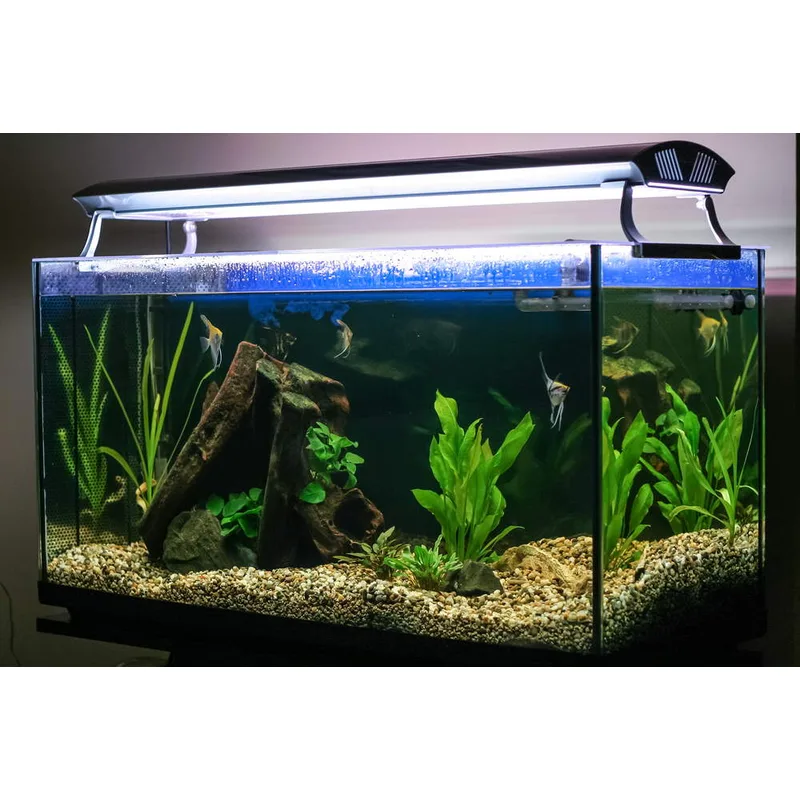
What Is the Nitrogen Cycle?
The nitrogen cycle is the biological process by which toxic waste products in your aquarium are converted into less harmful compounds by beneficial bacteria. Here is the sequence:
Fish/shrimp waste and uneaten food → Ammonia (NH₃/NH₄⁺) → Nitrite (NO₂⁻) → Nitrate (NO₃⁻)
Each arrow represents a conversion performed by a different group of bacteria:
-
Ammonia is produced by fish waste, decaying food, and decaying plant matter. It is extremely toxic — even small amounts (0.25 ppm) stress fish, and concentrations above 0.5 ppm can kill shrimp within hours. In warm water (above 78°F), ammonia toxicity increases further because a higher proportion shifts to the more toxic un-ionized form.
-
Nitrosomonas bacteria convert ammonia to nitrite. Nitrite is also highly toxic — it interferes with oxygen transport in blood, causing fish to suffocate even in well-oxygenated water. Any detectable nitrite level is dangerous.
-
Nitrospira bacteria convert nitrite to nitrate. Nitrate is far less toxic and is tolerated by most fish up to 40 ppm and by shrimp up to 20 ppm. Regular water changes keep nitrate from accumulating to harmful levels.
The goal of cycling is to establish large enough colonies of both bacterial groups that ammonia and nitrite are processed to zero before they can harm your livestock.
Why Cycling Matters — Especially for Shrimp
Shrimp are significantly more sensitive to ammonia and nitrite than most fish. A guppy might tolerate a brief ammonia spike that would wipe out every shrimp in the same tank. If you plan to keep neocaridina or caridina shrimp, there is no shortcut around cycling:
- Ammonia: Shrimp show stress above 0.25 ppm and begin dying at 0.5 ppm
- Nitrite: Any detectable level is dangerous — keep at absolute 0
- Nitrate: Keep below 20 ppm for neocaridina (pH 6.5-7.5, TDS 150-250), below 10 ppm for caridina (pH 5.5-6.8, TDS 80-150)
The tank must read 0 ammonia, 0 nitrite, and some nitrate before a single shrimp goes in. Additionally, shrimp tanks should never be treated with copper-based medications or fertilizers — copper is lethal to shrimp at very low concentrations and will destroy a shrimp colony even in a well-cycled tank.
How to Cycle Your Tank: Fishless Method (Recommended)
The fishless method is the most humane and reliable way to cycle a tank. You add ammonia without fish present and let bacterial colonies establish naturally. No livestock is harmed during the process, and you can push ammonia levels higher to build a larger bacterial colony before adding any fish or shrimp.
What You Need
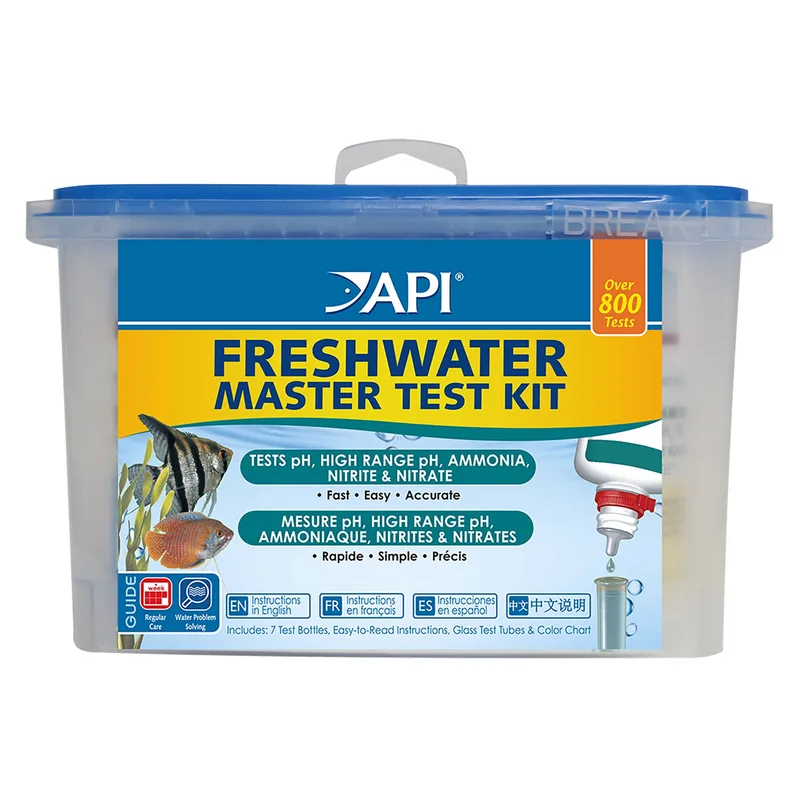
- A liquid reagent test kit — strips are not accurate enough for cycling
- A pure ammonia source — purpose-made ammonium chloride solution, not hardware store cleaning ammonia (check for surfactants by shaking — if it foams, do not use it)
- A dechlorinator to treat tap water
- Optional: Live bottled bacteria to speed the process
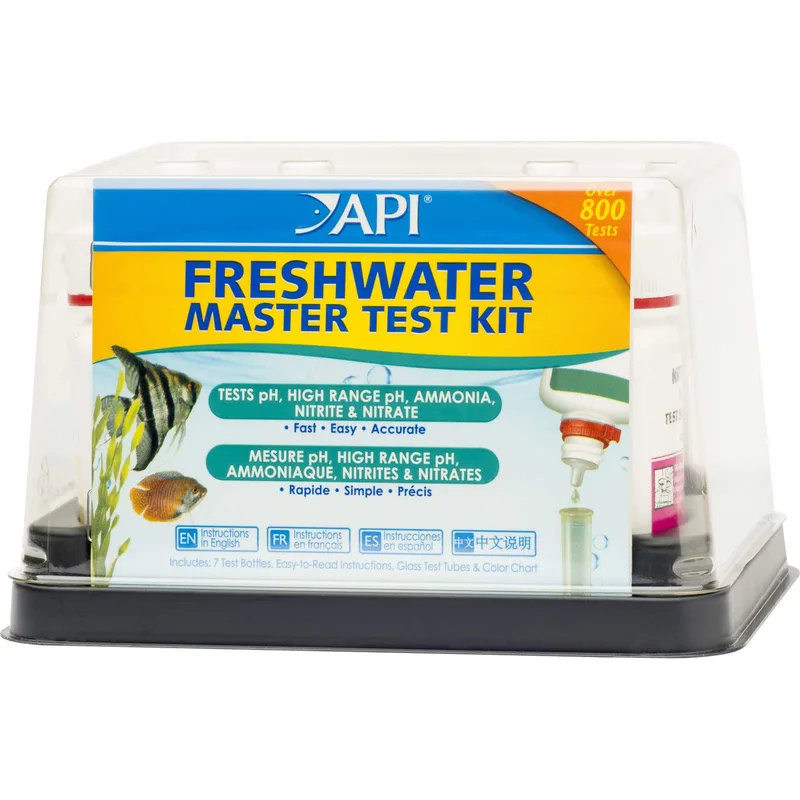
API Freshwater Master Test Kit
Essential for Cycling- ✓ Covers all four critical cycling parameters
- ✓ Liquid reagents provide accurate readings
- ✓ 800+ tests — lasts through multiple cycling events
- ✓ Clear color charts for easy interpretation
- ✗ No GH or KH tests included
- ✗ Nitrate test requires vigorous shaking for accurate results
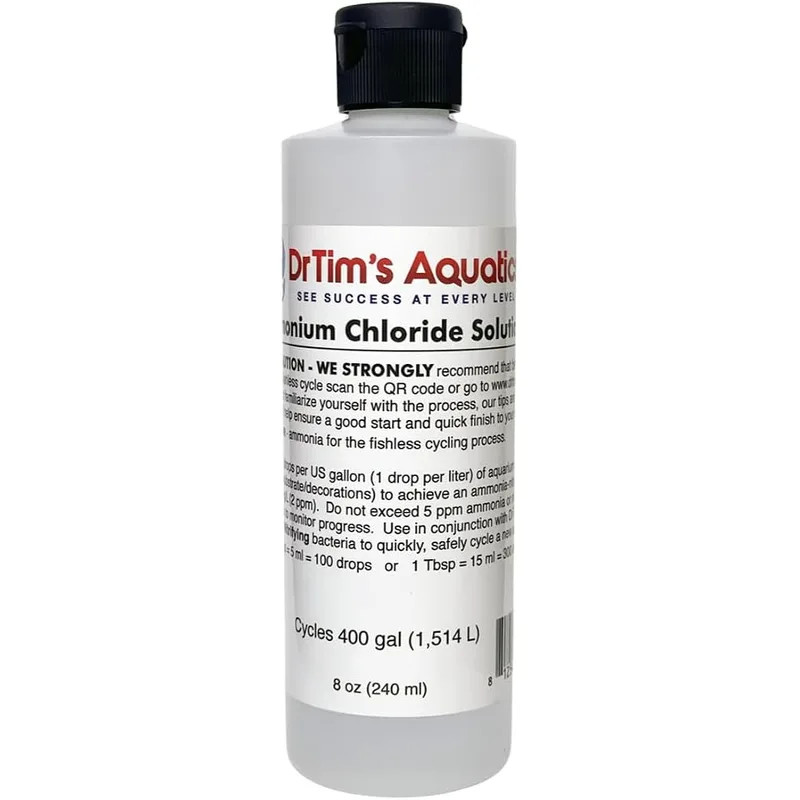
DrTim's Aquatics Ammonium Chloride Solution
Best Ammonia Source- ✓ Precise liquid dosing — no surfactant contamination like some hardware ammonia
- ✓ Pure ammonia source without foaming agents
- ✓ Small bottle lasts multiple cycling events
- ✓ Designed specifically for fishless cycling
- ✗ Must be paired with a dechlorinator
- ✗ Small 2oz size may not be enough for very large tanks
Step-by-Step Fishless Cycling Process
Day 1: Setup
- Set up your tank fully — substrate, filter, heater, hardscape, dechlorinated tap water
- Turn on the filter and heater. The filter runs 24/7 from this point — never turn it off
- Add ammonia to bring the level to 2-4 ppm. Test and confirm
- Record starting parameters in a log
Days 1-14: Ammonia Phase
- Ammonia holds steady while nitrosomonas bacteria begin establishing
- Test every 2-3 days
- Do NOT do water changes — you need the ammonia to feed developing bacteria
- If ammonia drops below 1 ppm, re-dose back up to 2 ppm
Days 7-28: Nitrite Phase
- Ammonia begins dropping as bacteria convert it to nitrite
- Nitrite levels spike — this is normal. You may see readings above 5 ppm
- Continue testing every 2-3 days
- Continue re-dosing ammonia when it drops below 1 ppm
- This phase can be frustrating because nitrite can sit high for 1-2 weeks
Days 21-56: Cycle Completion
- Nitrite begins dropping as nitrospira bacteria convert it to nitrate
- Nitrate levels rise — this confirms the full cycle is functioning
- The cycle is complete when both ammonia and nitrite process to 0 within 24 hours
Confirming Completion Add a 2 ppm ammonia dose and wait 24 hours. If ammonia reads 0 ppm AND nitrite reads 0 ppm with nitrate present, your tank is cycled. Do a large water change (70-80%) to bring nitrate down, then add livestock within 1-2 days. The bacteria need a food source — an empty tank will see the colony shrink over days.
Speeding Up the Cycle
A standard fishless cycle at 78-80°F takes 4-8 weeks from scratch. These methods reduce that significantly:
Bottled Bacteria
Products containing live nitrifying bacteria can cut cycling time from weeks to days. Fritz TurboStart 700 contains Nitrosomonas and Nitrobacter at 15x concentration and is marketed to cycle tanks in 5 days or less when paired with adequate ammonia. Dr. Tim’s One & Only is the other widely used option, developed by a microbiologist who researched aquarium nitrifying bacteria.
These products work best when:
- Used with a pure ammonia source from day one
- Added in sufficient quantity (follow label dosing for your tank size)
- The tank temperature is 78-82°F
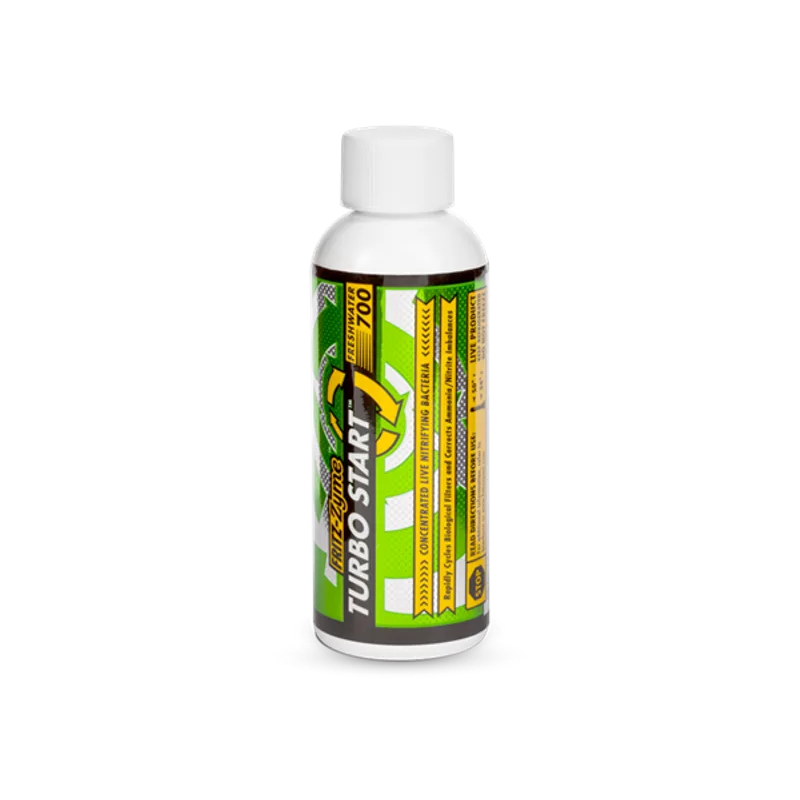
Fritz TurboStart 700 Freshwater
Best Bacterial Starter- ✓ Contains real live nitrifying bacteria at 15x concentration
- ✓ Can cycle tanks in 5 days or less with proper ammonia source
- ✓ Refrigerated product for maximum bacterial viability
- ✓ Well-documented performance among experienced hobbyists
- ✗ Needs refrigeration — check expiry dates at purchase
- ✗ Still requires an ammonia source — not an all-in-one solution
Seeded Filter Media
The single most reliable acceleration method: transfer a mature sponge filter or a handful of established filter media from an existing cycled tank into the new tank. The bacterial colony transfers with it. A heavily colonized sponge can cycle a new tank in as little as 24-72 hours.
If you run a breeding rack or have a friend with an established tank, ask for a used sponge. Sponge filters are ideal for this approach because the entire filter is biological media — squeeze it into the new tank water and you are seeding billions of bacteria immediately.
Higher Temperature
Nitrifying bacteria are more active in warmer water. Running your heater at 80-82°F during cycling accelerates bacterial growth noticeably compared to cycling at 72°F. After stocking, dial the temperature down to your fish’s preferred range.
Tank Temperature Stability
Bacterial colonies are disrupted by large temperature swings. Keep your heater consistent during cycling — big fluctuations slow establishment and can partially crash a developing colony.
Testing During the Cycle
Accurate testing is non-negotiable during cycling. Here is what to look for at each stage:
| Stage | Ammonia | Nitrite | Nitrate | Status |
|---|---|---|---|---|
| Start | 2-4 ppm | 0 ppm | 0 ppm | Cycling begun |
| Week 1-2 | 2-4 ppm | 0 ppm | 0 ppm | Waiting for bacteria |
| Week 2-3 | Dropping | Rising | 0 ppm | Nitrosomonas establishing |
| Week 3-5 | Low/0 | High | Rising | Nitrospira establishing |
| Complete | 0 in 24h | 0 ppm | Present | Ready for livestock |
Critical Testing Tips
Shake the nitrate reagent bottle hard. The API Nitrate #2 bottle contains particles that settle. Without 30+ seconds of vigorous shaking before use, you will consistently get false low readings and think your cycle has not progressed.
Liquid tests only — not strips. Strip tests cannot reliably distinguish 0 ppm from 0.25 ppm ammonia or nitrite. That difference is the margin between a safe tank and a dying shrimp. Liquid reagent tests give you accurate, reproducible readings.
Record every result. Tracking your numbers over time is how you see the cycle progressing. A log also helps you identify problems — if ammonia is not dropping after two weeks of consistent readings, something is wrong.
Fish-In Cycling (Use Only When Necessary)
Fish-in cycling is cycling a tank with livestock already present. It was the standard method before fishless cycling became understood, and it is still used when fish are received unexpectedly or when cycling a quarantine tank.
Do not use fish-in cycling for shrimp. Shrimp are too sensitive to ammonia and nitrite to survive this process.
If you must cycle with fish:
- Stock extremely lightly — one or two hardy fish like guppies or danios
- Feed minimally — every other day during cycling
- Test daily. Do a 25-30% water change any time ammonia or nitrite exceeds 0.25 ppm
- Dose Seachem Prime with every water change. Prime temporarily detoxifies ammonia and nitrite into non-toxic bound forms without harming developing bacteria — it gives your fish a safety buffer while the cycle completes
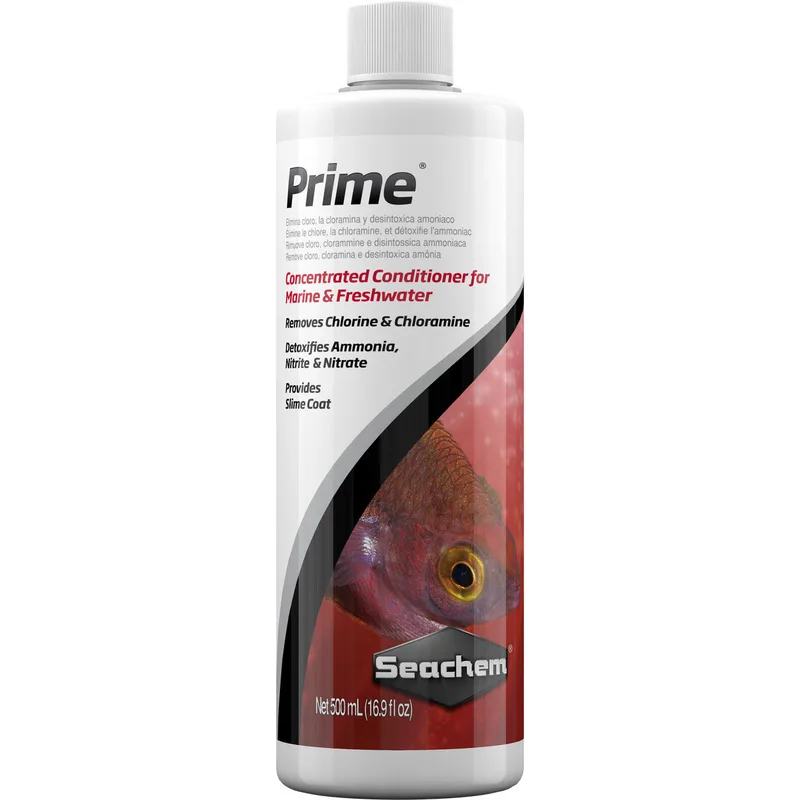
Seachem Prime Fresh and Saltwater Conditioner 500ml
Best Water Conditioner- ✓ Detoxifies ammonia and nitrite temporarily — critical safety net during fish-in cycling
- ✓ Shrimp-safe formula — no copper or harmful additives
- ✓ Extremely concentrated — 500ml treats thousands of gallons
- ✓ Removes chlorine and chloramine from tap water instantly
- ✗ Can cause false ammonia readings on some test kits — use API kit for accuracy
- ✗ Overdosing in small, low-oxygen tanks can deplete oxygen temporarily
Fish-in cycling takes longer (6-10 weeks) than fishless cycling because you cannot push ammonia high enough to rapidly build the bacterial colony without harming your fish.
Common Cycling Mistakes
Adding Livestock Too Early
“My ammonia is dropping” is not the same as “my cycle is complete.” Both ammonia AND nitrite must read 0 ppm, and the tank must process a 2 ppm ammonia dose to 0 within 24 hours. If you add fish or shrimp before this benchmark is met, you are putting them into a tank that still has active toxicity.
Rinsing Filter Media in Tap Water
Your filter sponge, ceramic rings, or bio media is where 90%+ of your beneficial bacteria live. Rinsing media under tap water exposes that bacteria to chlorine and wipes out your colony. Always rinse filter media in old tank water removed during a water change.
Turning Off the Filter
Nitrifying bacteria are aerobic — they need constant oxygen from water flow. A filter that stops running for even a few hours can begin losing bacterial population in the media as oxygen is depleted. The filter runs 24/7, no exceptions during cycling and afterward.
Using Chlorinated Water During Cycling
Tap water is treated with chlorine or chloramines specifically to kill bacteria. Adding untreated tap water during cycling — even for a top-off — kills the colonies you are building. Always dechlorinate first.
Overcleaning the Filter After Setup
New hobbyists see a dirty filter sponge and scrub it clean. That brown sponge is colonized with beneficial bacteria. Squeeze it gently in old tank water to remove excess debris; never scrub it white or replace the entire media at once.
Maintaining the Cycle After Stocking
Once established, a bacterial colony is self-sustaining as long as it has food (ammonia from fish waste) and flow (from the filter). Here is what crashes a healthy cycle:
- Antibiotics and medications — Many fish medications are bactericidal. If you treat your main display tank with antibiotics, assume the cycle will need time to rebuild. Always quarantine sick fish in a hospital tank
- Staggered media cleaning — If you have multiple filter sponges or media bags, never replace or clean all of them simultaneously. Stagger cleanings weeks apart so some established colony always remains
- Sudden bioload increases — Adding many fish at once can overwhelm an established cycle. The bacterial colony is sized to handle current waste production. Add livestock gradually and test after each addition
- Extended power outages — If a filter runs dry or stays off for 4+ hours, bacterial die-off begins. After power restoration, test parameters for several days to confirm the cycle held
Frequently Asked Questions
How do I know when my tank is fully cycled?
Add 2 ppm of ammonia and test again after 24 hours. If both ammonia and nitrite read 0 ppm and nitrate is present, the cycle is complete. Do not skip this verification test — a tank that reads 0 ammonia at rest may not yet have the bacterial capacity to handle a full livestock load.
Can I cycle a tank in one week?
With Fritz TurboStart 700 or another live bacteria product combined with a pure ammonia source and warm water (80-82°F), a functional cycle in 7-14 days is achievable. Without any acceleration, expect 4-8 weeks minimum.
Do planted tanks still need cycling?
Yes. Plants absorb ammonia and nitrate, which helps stabilize water quality, but they do not replace the bacterial cycle. A heavily planted tank often cycles faster and buffers parameter swings better, but you still need established bacterial colonies for long-term stability with a full livestock load.
What happens if I do not cycle my tank?
Fish and shrimp are exposed to toxic ammonia and nitrite. Fish may survive for days or weeks with stress and increased disease susceptibility. Shrimp will almost certainly die — they have almost no tolerance for either compound. “New tank syndrome” kills more livestock than any disease in the hobby.
Can I use fish food instead of pure ammonia to cycle?
Yes. Adding a pinch of fish food that decomposes releases ammonia naturally. The downside is imprecise dosing — you cannot control exactly how much ammonia is produced, making it harder to hit target concentrations and track cycle progress accurately. Pure ammonia chloride solution is more controllable.
How long does a cycled tank stay cycled if there are no fish?
If your tank runs empty after cycling, the bacterial colony will shrink over days as it runs out of food (ammonia). After 2-4 weeks with no food source, a significant portion of the colony may be gone and you may need to re-cycle or re-seed. After cycling, add livestock within 1-2 days or keep feeding ammonia to maintain the colony.
My nitrite has been at 5+ ppm for two weeks — is something wrong?
High nitrite that does not drop is a sign that nitrospira (the nitrite-processing bacteria) are establishing more slowly than nitrosomonas (the ammonia-processing bacteria). This is normal. Keep dosing ammonia, maintain temperature at 78-80°F, and give it more time. If you have access to seeded media from a cycled tank, add it now — it will introduce established nitrospira and break the plateau.
Conclusion
The nitrogen cycle is not complicated, but it requires patience. Set up your tank, add an ammonia source, test regularly with a liquid reagent kit, and wait until both ammonia and nitrite read 0 before adding livestock. For shrimp tanks especially, there is no shortcut — shrimp are too sensitive to survive in a tank with any detectable ammonia or nitrite.
If you want to cut the timeline, borrow mature filter media from an established tank or use Fritz TurboStart 700 from day one with a pure ammonia source. Either approach will get you to a cycled tank in 1-2 weeks instead of 6-8 weeks.
Once your cycle is established, protect it: dechlorinate all water changes, never rinse filter media in tap water, stagger filter cleanings, and keep that filter running continuously. A well-maintained cycle is the foundation every other aspect of this hobby rests on.