Mystery snails (Pomacea bridgesii) are one of the most popular freshwater snails in the aquarium hobby, and for good reason. They are peaceful, attractive, available in multiple color varieties, and they eat algae and leftover food without destroying your live plants. Unlike some other “pest” snails, mystery snails do not reproduce uncontrollably — they lay eggs above the waterline, making population control simple.
But mystery snails are not bulletproof. They have specific needs around water hardness, calcium intake, and diet that many keepers overlook. The result is thin, pitted shells, short lifespans, and failed breeding attempts. This guide covers everything you need to keep mystery snails thriving.
Species Overview
- Scientific name: Pomacea bridgesii (also Pomacea diffusa)
- Common names: Mystery snail, spike-topped apple snail
- Origin: South America (Amazon basin)
- Lifespan: 1–2 years (occasionally 3 with excellent care)
- Adult size: 1.5–2.5 inches shell diameter
- Color varieties: Gold, ivory, blue, purple, magenta, jade, dark-footed, light-footed
Mystery snails are NOT the same as apple snails (Pomacea canaliculata), which are much larger, plant-destructive, and often illegal to sell in the US. Make sure you are buying bridgesii, not canaliculata.
Water Parameters
Mystery snails tolerate a range of conditions but do best in:
| Parameter | Ideal Range |
|---|---|
| Temperature | 68–82°F (72–78°F optimal) |
| pH | 7.0–8.4 |
| GH | 8–18 dGH |
| KH | 4–12 dKH |
| Ammonia | 0 ppm |
| Nitrite | 0 ppm |
| Nitrate | <40 ppm |
The critical parameters are pH, GH, and KH. Mystery snails build their shells from calcium carbonate, which requires:
- Sufficient calcium in the water (high GH)
- Alkaline pH (at or above 7.0 — acidic water dissolves shell)
- Adequate KH to buffer pH and prevent drops
In soft, acidic water (low GH, low KH, pH below 7), mystery snail shells erode, pit, and crack. This is the number one cause of shell problems in the hobby, and it is not something you can eyeball — you need to actually test GH and KH before you can fix them.

API GH & KH Test Kit
Best Test Kit- ✓ The only reliable way to confirm calcium additions are working
- ✓ Drop-count method gives exact dGH/dKH readings, not vague color bands
- ✓ Inexpensive enough to test weekly while dialing in a new tank
- ✗ Does not test pH, ammonia, or nitrite — pair with a master kit
- ✗ Color read can be subtle under yellow-tinted aquarium lighting
Most standard freshwater master kits, including the API Freshwater Master Test Kit covered in the Best Aquarium Test Kits guide, do not include GH or KH. The API GH & KH Test Kit fills that gap for a few dollars and takes the guesswork out of whether your calcium supplementation is actually raising hardness or just dissolving without effect.
Diet
Mystery snails are omnivores with a strong preference for decaying plant matter, algae, biofilm, and supplemental foods. They are NOT effective algae cleaners for heavily algae-covered tanks — they eat some algae, but their primary value is cleaning up leftover food and decaying leaves.
What to Feed
- Blanched vegetables: Zucchini, cucumber, spinach, kale, green beans. Blanch for 30 seconds to soften, then clip to the tank wall or weigh down with a fork.
- Algae wafers: A staple food for mystery snails. Feed 1–2 wafers per snail every other day.
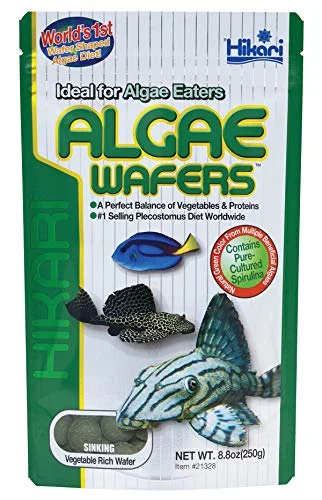
Hikari Tropical Algae Wafers (8.8 oz)
Best Staple Food- ✓ Sinks immediately and holds together for slow, steady grazing
- ✓ Vegetable-forward formula matches a mystery snail's natural diet
- ✓ Large size lasts months even feeding a colony daily
- ✗ Uneaten wafers cloud the water if not removed within a day
- ✗ Not a calcium source on its own — pair with a hardness buffer
Hikari’s algae wafers are a reasonable default staple because they sink fast and hold together, so a snail can graze on one wafer for hours without it disintegrating into cloudy mess. Remove anything left after 24 hours.
- Protein occasionally: Blanched shrimp, bloodworms, or fish food pellets 1–2 times per week. Mystery snails need protein for muscle and operculum health.
- Decaying leaves: Indian almond leaves, oak leaves, or other tannin-producing leaves. Snails graze on the biofilm that develops as leaves decompose. See the Best Indian Almond Leaves guide for options.
Foods to Avoid
- Citrus fruits (too acidic)
- Raw vegetables (too hard for them to rasp effectively)
- Anything with copper (copper is toxic to snails even in trace amounts)
Buying Guide: Calcium and Hardness Gear
Calcium is non-negotiable for mystery snails. Without adequate calcium and a hard, alkaline water column, shells thin, crack, and erode regardless of how well you feed everything else. The gear below covers the three ways keepers actually solve this: direct calcium sources snails eat, fast-dissolving mineral boosts, and long-term substrate or filter buffering.
Direct Calcium Sources
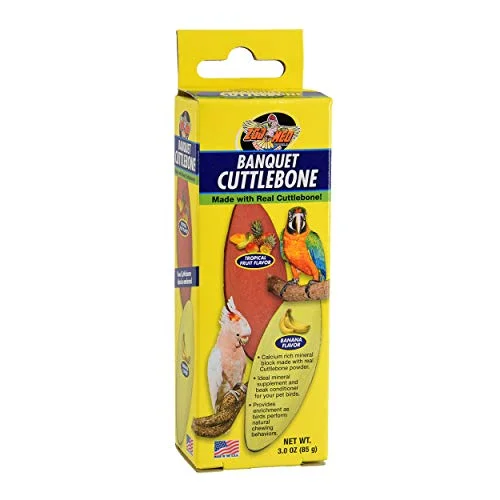
Zoo Med Banquet Cuttlebone (Small)
Best Calcium Source- ✓ Cheapest ongoing calcium source per gallon of any option here
- ✓ Snails rasp it directly — no dosing math or mixing required
- ✓ Also benefits Neocaridina and Caridina shrimp sharing the tank
- ✗ Floats until fully soaked — wedge it under a rock or ornament for the first day
- ✗ Wears down and needs replacing every few weeks in a snail-heavy tank
Cuttlebone is the cheapest and most direct calcium source available. Break off a piece and wedge it near the substrate or under a rock until it is waterlogged enough to stay put — mystery snails will rasp it directly, the same way Neocaridina and Caridina shrimp use it during molting. A single piece covers a 10–20 gallon tank for a few weeks before it needs replacing.
Fast Mineral Boosts

Weco Wonder Shell (Large)
Fast Mineral Boost- ✓ Raises GH and KH quickly when a tank is running soft
- ✓ No dosing or mixing — drop it in and it works passively
- ✓ Doubles as a mild electrolyte boost right after water changes
- ✗ Dissolves faster in already-soft water, meaning more frequent swaps
- ✗ Not a substitute for a properly buffered setup long-term
A dissolving mineral block like Wonder Shell is the fastest way to correct a soft-water tank while you sort out a longer-term fix. It raises GH and KH passively over several weeks with no dosing schedule to track, which makes it a reasonable stopgap right after moving snails into a new tank or after a large water change diluted your hardness.
Long-Term Buffering
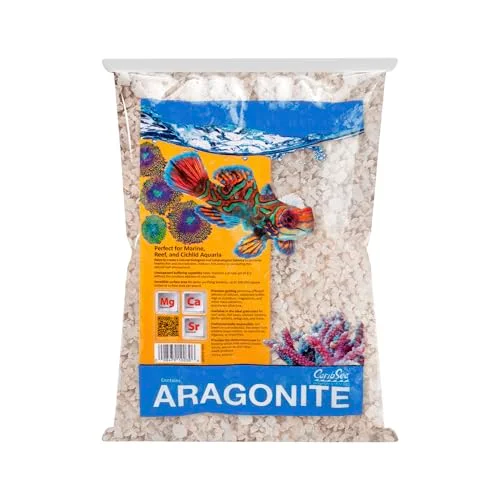
CaribSea Crushed Coral (10 lb)
Best Long-Term Buffer- ✓ Set-and-forget hardness buffering that lasts months per media bag
- ✓ Ideal fix for keepers whose tap water runs soft or acidic
- ✓ 10 lb bag stretches across several tanks on a breeding rack
- ✗ Too aggressive for a mixed tank that also houses Caridina shrimp
- ✗ Takes days to weeks to noticeably shift hardness — not an emergency fix
For a permanent fix rather than an ongoing supplement, crushed coral in a filter media bag continuously buffers pH, GH, and KH as water flows through it. This is the better long-term option for a dedicated snail tank or a multi-tank breeding rack, since it does not need weekly attention the way cuttlebone or Wonder Shells do. Keep crushed coral out of any tank that also houses Caridina shrimp — see the Caridina Shrimp Care Guide for why those species need the opposite, near-zero KH.
Other calcium supplementation options worth knowing about:
- Calcium-fortified snail biscuits: Sold at most fish stores as a supplemental treat alongside algae wafers.
- Calcium-rich substrate: Aragonite sand functions like a permanent, spread-out version of crushed coral and buffers water continuously from the tank floor.
Shell Health
A healthy mystery snail shell is smooth, thick, and glossy near the aperture (the opening). The oldest part of the shell (the apex/tip) often shows some wear — this is normal and not a sign of poor health.
Common Shell Problems
Pitting/Erosion: Small holes or rough patches in the shell, often near the apex. Caused by acidic water dissolving calcium. Fix by raising pH above 7.2, increasing GH and KH, and adding cuttlebone.
Thin, translucent shell: The shell looks almost see-through near the growth edge. Indicates severe calcium deficiency. Increase calcium supplementation immediately — cuttlebone plus calcium-rich foods.
Cracking: Deep cracks or fractures in the shell. Can be caused by falls (mystery snails climb and fall from the waterline), impacts from tank mates, or extremely thin shells. Minor cracks heal over time if water parameters are corrected. Severe cracks may be fatal if they expose soft tissue.
Growth lines: Visible ridges on the shell where new growth occurred under different conditions. These are cosmetic and not harmful. They indicate parameter changes — for example, a snail that experienced low calcium then was moved to calcium-rich water will show a visible line where conditions improved.
Shell Repair
Snails cannot repair old shell damage, but they can grow new, healthy shell material from the aperture edge forward. If you correct water parameters and provide adequate calcium, new growth will be thick and smooth even if the old shell is pitted. Over time, the healthy new growth replaces the damaged portions as the snail grows.
Breeding
Mystery snails breed readily in captivity, and their breeding behavior is one of the more interesting aspects of keeping them.
Sexing
Mystery snails are NOT hermaphroditic — they have separate sexes. However, telling males from females is difficult without observing mating behavior. During mating, the male climbs on top of the female’s shell. Some keepers report that males have a slightly more rounded shell aperture, but this is not reliable.
The easiest method: keep a group of 3–5 snails and let them sort it out. In a group that size, you will almost certainly have both sexes.
Mating and Egg Laying
After mating, the female climbs above the waterline and deposits a clutch of eggs on any surface above the water — the tank lid, the rim, the filter housing, or the underside of the light. Egg clutches contain 50–200+ eggs and look like a pinkish-white blob of bubble-wrap texture.
The clutch must remain above water and moist (but not submerged) for the eggs to develop. Incubation takes 2–4 weeks depending on temperature and humidity. Higher humidity speeds development. Some keepers mist clutches lightly every few days or place them in a humid container above the waterline.
Hatching
Baby mystery snails emerge as tiny, fully formed snails (about 2mm) and drop into the water. They are immediately self-sufficient and begin grazing on biofilm and algae. No special care is required — they eat the same foods as adults, just in smaller quantities.
Growth rate depends on food availability, calcium levels, and temperature. Well-fed babies in calcium-rich water reach adult size in 4–6 months.
Population Control
If you do NOT want more mystery snails, simply remove egg clutches from above the waterline before they hatch. The eggs are easy to see and easy to remove. This gives mystery snails a huge advantage over pest snails that reproduce inside the water and are impossible to control.
Tank Mates
Mystery snails are peaceful and compatible with most community fish. Avoid:
- Aggressive cichlids: Many cichlids will bite mystery snails’ antennae and soft body parts.
- Pufferfish: Puffers eat snails — mystery snails are a food item, not a tank mate.
- Assassin snails: While assassins primarily target smaller snails, they can sometimes attack mystery snails, especially smaller or weakened individuals.
- Crayfish: Crayfish will grab and eat mystery snails.
Good tank mates include guppies, tetras, corydoras, rasboras, and other peaceful community fish. Mystery snails also pair well with dwarf shrimp — see the Neocaridina Shrimp Care Guide and Cherry Shrimp Breeding Guide for compatible water parameters, since Neocaridina and mystery snails share almost identical GH and KH needs and benefit from the same calcium sources covered above.
Common Problems
Snail Not Moving
Mystery snails can sleep for hours or even a day or two without moving. This is normal. However, a snail that does not move for multiple days, has a foul smell near the aperture, or is hanging limp out of the shell may be dead. The smell test is definitive — a dead snail smells terrible within hours.
Snail Floating
Mystery snails sometimes trap air in their shell and float. This is usually not harmful — they will release the air bubble and sink within a few hours. Persistent floating can indicate digestive issues. Try tapping gently on the shell to encourage the snail to release trapped air.
Operculum Problems
The operculum (the “trap door” that seals the shell opening) should be intact and fit snugly. A cracked, damaged, or missing operculum leaves the snail vulnerable to predation and infection. Opercula grow back slowly if only partially damaged. Severe operculum loss is often fatal.
Short Lifespan
Mystery snails typically live 1–2 years. Many keepers lose them within 6–12 months due to poor water quality, calcium deficiency, or stress from acidic water. Providing proper parameters extends lifespan significantly. A well-cared-for mystery snail in hard, alkaline water with good calcium can reach 2–3 years.
Frequently Asked Questions
Are mystery snails safe with live plants?
Yes. Pomacea bridgesii does not eat healthy live plants. They eat decaying plant matter, algae, and biofilm. If you see a mystery snail on a plant, it is eating algae or biofilm off the surface, not eating the plant itself.
How many mystery snails can I keep per gallon?
A rough guideline is one mystery snail per 5 gallons. They produce a significant amount of waste relative to their size (more than most people expect), so overstocking leads to water quality issues.
Do mystery snails need a heater?
If your room temperature stays above 68°F consistently, no. If it drops below 65°F at night, yes. Mystery snails are tropical and become sluggish below 65°F. Prolonged cold can be fatal.
Can mystery snails live with shrimp?
Absolutely. Mystery snails and cherry shrimp (or any Neocaridina/Caridina species) are perfectly compatible. They ignore each other and often share food sources. Both benefit from the same calcium-rich water parameters, though Caridina species need much softer, more acidic water than mystery snails tolerate — keep that distinction in mind before mixing them long-term.
Why did my mystery snail climb out of the tank?
Mystery snails sometimes explore above the waterline — this is normal behavior, especially when searching for egg-laying sites. However, a snail trying to escape repeatedly may indicate poor water quality (high ammonia, low oxygen, or wrong pH). Test your water if this happens frequently.
How do I acclimate a new mystery snail?
Float the bag for 15 minutes to equalize temperature, then drip acclimate over 30–60 minutes to equalize water chemistry. Mystery snails are sensitive to sudden parameter changes, especially pH and GH swings. Drop them into water that is significantly different from what they were in, and you may lose them within a week.
Conclusion
Mystery snails are rewarding, low-maintenance tank mates when their basic needs are met: hard, alkaline water with adequate calcium, a varied diet including vegetables and protein, and tank mates that will not harass them. Get the water parameters right — especially GH, KH, and pH — and shell health takes care of itself. A GH/KH test kit, a piece of cuttlebone, and either a Wonder Shell or a bag of crushed coral in the filter cover the entire calcium side of the equation for less than the cost of one snail from a fish store. Neglect calcium, and you will watch your snail’s shell dissolve in front of you. The difference between a thriving mystery snail and a struggling one almost always comes down to water hardness.