AquaRanked is reader-supported. When you buy through links on our site, we may earn an affiliate commission.
Spawning mops are the most underrated tool in freshwater fish breeding. A bundle of acrylic yarn tied to a cork is not glamorous, but it is what stands between a successful ricefish spawn and a tank full of eaten or fungused eggs. For species like Japanese medaka, killifish, tetras, rainbowfish, and barbs, mops replicate the dense fine-leaved plant cover where females naturally deposit adhesive eggs.
Not all mops work the same way for all species. Ricefish (medaka) in particular need denser, stiffer fiber than basic yarn mops — their eggs need something firm to grip and release from. Killifish prefer mid-water mops they can swim through vertically. Tetras and barbs scatter eggs loosely, so fine dense strands that intercept eggs before they hit the substrate matter most. Buying the wrong mop for your species costs you entire spawns.
Running medaka in outdoor patio ponds from March through October in warm southern climates, and killifish year-round on indoor racks, means going through spawning mops constantly. Here is what the research confirms and what hobbyist reviews back up.
Quick Picks
- Best Overall: BaoZqua Medaka Spawning Mop Kit — complete kit purpose-built for ricefish and killifish
- Best for Killifish: Aquarium Co-Op Easy Spawning Mop — wall-mount or float, 90-strand density, cut-to-fit
- Best Budget: Spawning Mop Floating Single — 200+ strands, boilable cork float
- Best Value Pack: ifundom 10-Pack — under $1 per mop, rack-ready
- Best Single Mop: XFJYMXDM — soft yarn, washable and reusable for a single breeding pair
| BaoZqua Medaka Spawning Mop Kit Best Overall | Aquarium Co-Op Easy Spawning Mop Best for Killifish | Spawning Mop - Floating (Single) Best Budget | ifundom Fish Spawning Mop 10-Pack Best Value Pack | XFJYMXDM Fish Spawning Mop Best Single Mop | |
|---|---|---|---|---|---|
| Rating | 9/10 | 8.8/10 | 8.4/10 | 8.2/10 | 7.6/10 |
| Price | $17.98as of Sep 27, 2026 | $6.99 | $11.99as of Sep 27, 2026 | $9.99as of Sep 27, 2026 | $11.99as of Sep 27, 2026 |
| Mop Type | Floating | Floating or wall-mounted | Floating | Floating | Floating |
| Quantity | 10 mops + hatch box + accessories | — | — | 10 mops | 1 mop |
| Material | Acrylic fiber | — | Acrylic yarn | Soft blended yarn | Eco-friendly yarn |
| Extras | 2 fry nets, 3 droppers, egg tweezers | — | — | — | — |
| Target Species | Ricefish, killifish, rainbowfish | Killifish, rainbowfish, barbs | — | — | Killifish, tetras, barbs |
| Strands | — | 90 strands acrylic yarn | 200+ strands | — | — |
| Length | — | 8 inches (cut-to-fit) | ~10 inches | ~4.7 inches | — |
| Float | — | 3D printed float with suction cup | Cork | Foam ring | — |
| Construction | — | — | — | — | Circular floating design |
| Check Price → | Check Price → | Check Price → | Check Price → | Check Price → |
Prices change daily — tap Check Price for the current Amazon price. Numbers shown were verified on the "as of" date.
Detailed Reviews
1. BaoZqua Medaka Spawning Mop Kit
BaoZqua Medaka Spawning Mop Kit
Best Overall- ✓ Complete kit — mops, hatch box, fry nets, droppers, and tweezers all included
- ✓ Dense fiber mimics aquatic plant structure ricefish naturally prefer
- ✓ Hatch box keeps collected eggs isolated and protected from fungus
- ✓ Works in tanks, tubs, and outdoor ponds
- ✗ More expensive than buying bare mops
- ✗ Kit size may exceed what a single breeding pair requires
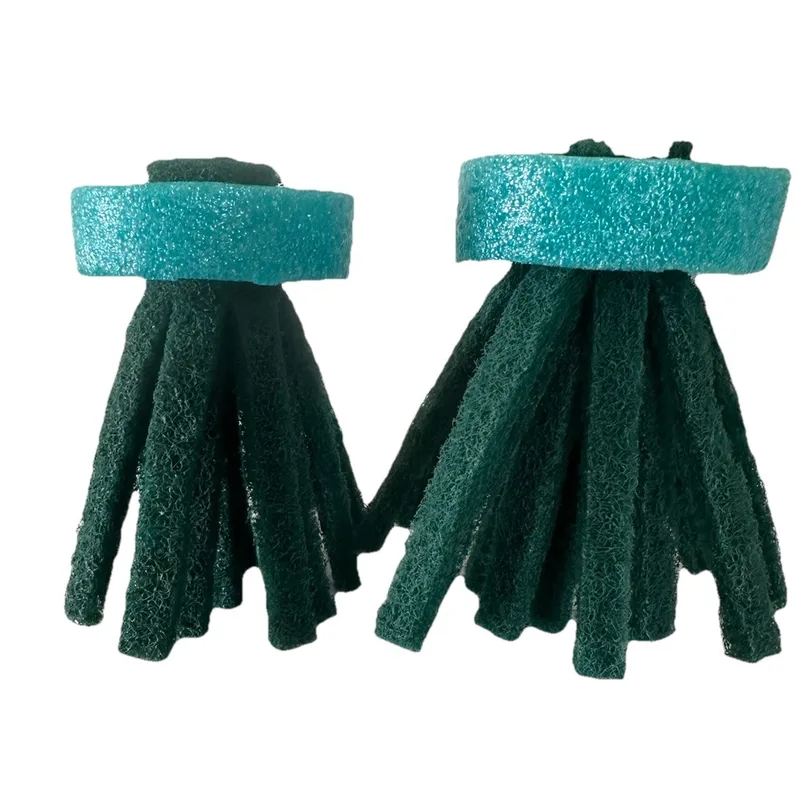
The BaoZqua kit is designed specifically for Japanese medaka ricefish, and that specificity shows in the fiber construction. The strands are denser and stiffer than a standard yarn mop — medaka females rub their egg clusters against the fibers to deposit them, and stiffer strands make it easier for sticky eggs to detach cleanly and adhere to the mop rather than remaining attached to the female’s vent.
The complete kit is the standout feature. Ten floating mops cover a serious breeding operation. The included hatch box is clear plastic — once you pull a mop full of eggs, you drop the whole mop into the hatch box and let eggs develop without risk from adult fish or fungus spreading between eggs. Two fine-mesh fry nets handle newly-hatched medaka fry (which are tiny), and rounded-tip tweezers let you handle individual eggs without damage.
For outdoor pond setups in warm-climate regions, these mops float freely and hold up to splashing, mild current from aerators, and summer temperature swings. They clean up easily — rinse, inspect for eggs, return to the pond.
Worth noting for medaka specifically: Standard low-density yarn mops often fail because the strands are too soft. Females carry egg clusters for days without depositing them. The BaoZqua fiber density directly addresses this problem. If you’ve had poor results with generic yarn mops and ricefish, fiber density is likely why.
2. Aquarium Co-Op Easy Spawning Mop
Aquarium Co-Op Easy Spawning Mop
Best for Killifish- ✓ Dual-mount design — float at surface or suction-cup to glass wall
- ✓ 90-strand density catches killifish eggs without tangling
- ✓ Cut-to-fit length adjusts for smaller tanks
- ✓ Acrylic yarn won't rot, decompose, or leach chemicals
- ✗ Single mop only — no bulk option
- ✗ Available from Aquarium Co-Op website only, not Amazon
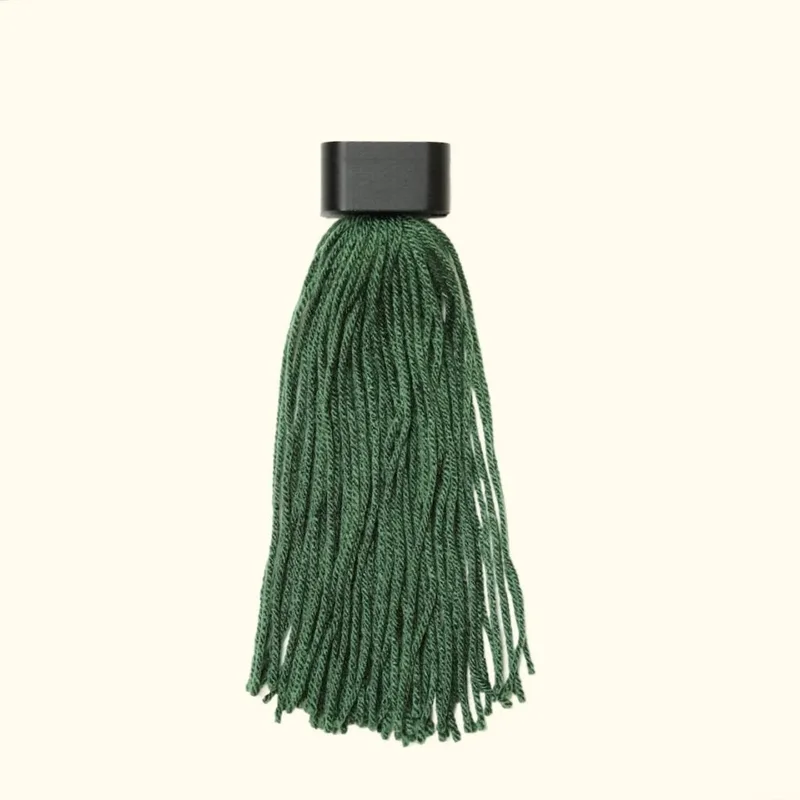
Two things set the Aquarium Co-Op mop apart from generic options: the dual-mounting system and cut-to-fit strand length. The 3D-printed float lets it sit on the surface with strands hanging down — the standard position for surface-spawning species. Remove the float, add the suction cup, and it becomes a wall-mounted mid-column mop — the position many killifish prefer.
Killifish that spawn mid-column will ignore a surface-only mop. A wall-mounted mop at the correct depth triggers spawning behavior that floating designs simply won’t produce. This is the feature that makes the Aquarium Co-Op mop worth having even if you already own other mops.
The 90-strand count works well for killifish eggs, which are smaller and stickier than medaka eggs. Strands are 8 inches long and can be cut shorter for shallow tanks. Acrylic yarn won’t rot, harbor bacteria the way cotton does, or degrade under LED or fluorescent lighting.
Only available from Aquarium Co-Op’s website. Factor shipping into the price if ordering just this item — bundling with other Co-Op supplies brings the order to free shipping threshold easily.
3. Spawning Mop - Floating (Single)
Spawning Mop - Floating (Single)
Best Budget- ✓ 200+ strands for maximum egg interception per spawn
- ✓ 10-inch length gives eggs wide surface area to adhere to
- ✓ Natural cork float — does not waterlog over time
- ✓ Boilable between batches for sterilization
- ✗ Single mop per order — costs add up for a multi-tank rack
- ✗ No accessories included
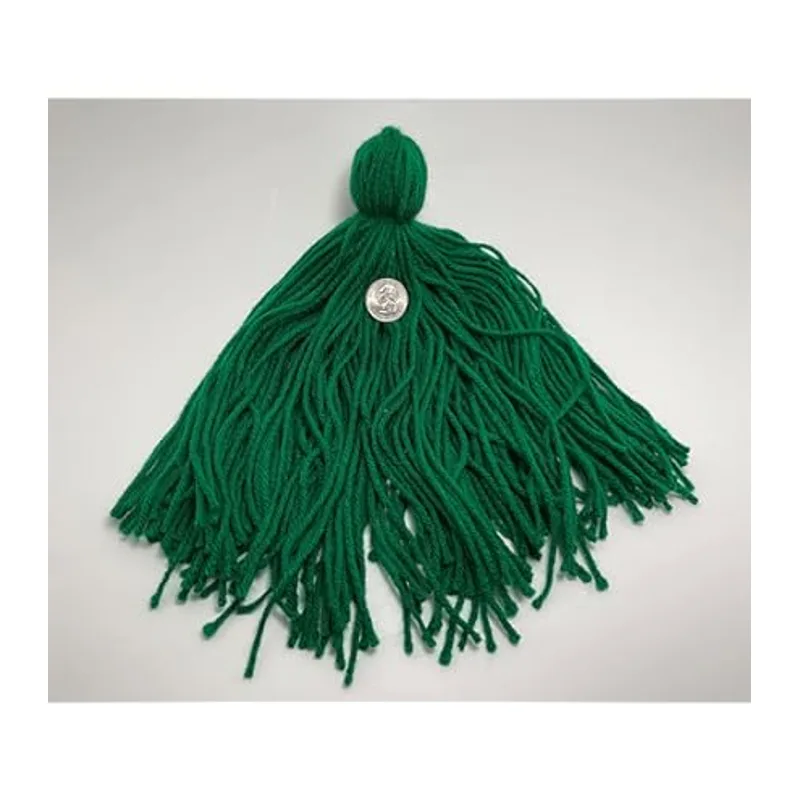
Over 200 strands means maximum egg interception for scatter-spawning species. Tetras, barbs, danios, and rainbowfish spray eggs in all directions — density matters more than strand stiffness for these species. More strands catch more eggs before they reach the substrate, where they are exposed to fungus and predation by other tank inhabitants.
The 10-inch strand length is the longest on this list, giving eggs a wide vertical surface area. Cork float provides reliable, permanent buoyancy — cork does not absorb water the way foam does, so this mop floats identically on day one as on day 300.
The practical advantage for multi-tank breeders: this mop is boilable. Five minutes in boiling water sterilizes it completely between batches without chemical treatments. For a breeding rack where mops rotate between production tanks, that is a meaningful maintenance benefit.
At under $8 for a single mop, this is the lowest cost-per-mop entry on the list for a single unit. If you want to stock up without committing to a bulk pack, this is the buy.
4. ifundom Fish Spawning Mop 10-Pack
ifundom Fish Spawning Mop 10-Pack
Best Value Pack- ✓ Ten mops per pack covers multiple tanks without repeat ordering
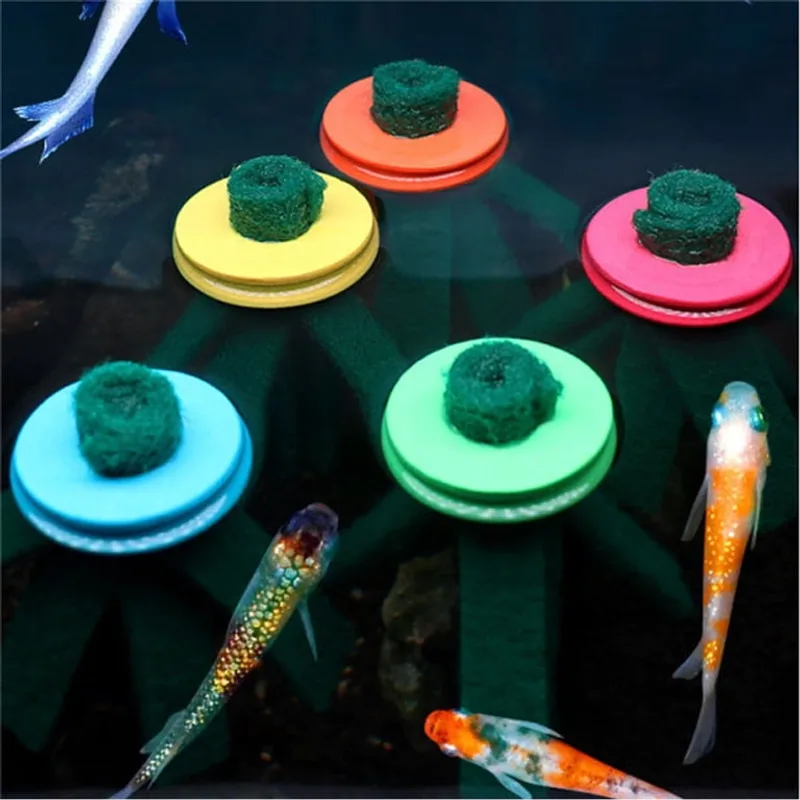
- ✓ Foam-ring floats maintain buoyancy through repeated breeding cycles
- ✓ Soft yarn strands are gentle on fish during spawning
- ✓ Under $1 per mop — most cost-efficient pack on this list
- ✗ No accessories or hatch container included
- ✗ Shorter strand length than dedicated single mops
Running a breeding rack requires mops in rotation — one or two in active tanks collecting eggs, others drying or being cleaned. Buying single mops for a 6-tank rack means six separate orders. The 10-Pack covers a whole rack at under $1 per mop.
The soft blended yarn is gentle on fish, which matters if the mop brushes against adults or fry during a water change. Conditioning fish to spawn on mops can take a few days in a new tank, and having plenty of spares on hand makes it easy to rotate fresh ones in.
Foam-ring floats on all ten mops hold buoyancy reliably. The shorter ~4.7-inch strand length works well in nano and small tanks where a longer trailing mop would pile up on the substrate.
These are functional mops without anything extra. No accessories, no dual-mount option, no hatch container. If you need a stack of working mops for a multi-tank setup, this pack delivers.
5. XFJYMXDM Fish Spawning Mop

XFJYMXDM Fish Spawning Mop
Best Single Mop- ✓ Soft, eco-friendly yarn is gentle on fish during spawning
- ✓ Circular design gives eggs a wide surface area to adhere to
- ✓ Washable and reusable between spawning batches
- ✓ Right quantity for a hobbyist managing one breeding pair
- ✗ Sold as a single mop — costs add up for a multi-tank rack
- ✗ Limited review history compared to more established mops on this list
This single floating mop uses a soft, eco-friendly yarn tied into a circular structure that hangs into the water — a simple, no-frills design that gives eggs plenty of surface area to adhere to.
Fine-strand yarn suits killifish, tetras, and barbs — species that prefer to weave through strands during spawning rather than rub against dense fiber as medaka do. The softer texture gives these species a plant-mimic feel they respond to.
One mop is the right quantity for a hobbyist maintaining a single breeding pair. It’s washable and reusable between batches, though the review history on this specific listing is thin, so treat it as a budget-friendly single mop rather than a proven long-term pick.
Buying Guide
Floating vs. Sinking vs. Wall-Mounted Mops
Floating mops sit on the surface with strands hanging down. Best for: medaka ricefish, surface-spawning killifish (Aphyosemion species), and most rainbow fish.
Sinking mops drop to the substrate, mimicking dense bottom-covering vegetation. Best for: annual killifish that deposit eggs in bottom debris, some characins, and fish that spawn low in the water column.
Wall-mounted mops are anchored at mid-water depth via suction cup. Best for: mid-column killifish spawners, and species that ignore both surface and bottom mops.
Match the mop position to your species’ natural spawning behavior. A medaka that deposits eggs at the surface won’t use a sinking mop. A bottom-spawning killifish won’t use a floating mop.
Material: Acrylic Yarn Only
Never use cotton yarn for spawning mops. Cotton decomposes in water, releasing organic material that promotes bacterial and fungal growth. Fungus on a mop spreads to eggs within 24-48 hours and can eliminate an entire spawn.
Acrylic yarn does not decompose, does not harbor bacteria, and can be boiled, rinsed with dilute bleach (followed by thorough rinsing), or dried and reused indefinitely. Every mop on this list uses acrylic yarn.
Strand Density by Species
| Species | Strand Density | Mop Position | Notes |
|---|---|---|---|
| Medaka ricefish | Dense/stiff fiber | Floating | Stiff strands critical for egg release |
| Killifish (surface) | Medium (90-150 strands) | Float or wall-mount | Wall-mount triggers more spawning |
| Killifish (bottom) | Medium density | Sinking | Annual species often prefer peat |
| Tetras / barbs | High density (200+ strands) | Floating | Scatter eggs in all directions |
| Rainbowfish | Medium density | Floating | Fine-strand mops work best |
| Danios | High density | Floating | Aggressive scatterers |
How Many Mops Do You Need?
For a single breeding pair: 2 mops — one active, one cycling.
For a 6-tank breeding rack: 8-12 mops — one or two per active tank, plus spares for drying and rotation.
For outdoor pond medaka in warm-climate regions (USDA Zones 7-9), outdoor pond season runs March through October. During peak summer (water above 72°F), medaka spawn nearly every day. Plan for 4-6 floating mops per outdoor tub or patio pond and collect daily.
Egg Collection Workflow
Collect mops every 24-48 hours during active spawning. Pull the mop, inspect strands under good light, and remove eggs individually with blunt-tip tweezers or a dropper. Move eggs to a shallow hatching container with clean tank water and a drop of methylene blue if fungus is a recurring problem.
Ricefish eggs hang in clusters from a thread — pull the whole cluster gently and place it in the hatch container. Do not try to separate individual medaka eggs; the thread keeps the cluster intact naturally.
After collection, rinse the mop under tap water, squeeze it dry, and return it to the tank or store it damp in a sealed container. Do not let mops dry out and crinkle — flat dried mops lose their natural strand spacing and become less effective at catching eggs.
Frequently Asked Questions
Can I use spawning mops in an outdoor pond?
Yes. Floating cork-float mops work well in outdoor patio ponds and tubs. In warm southern climates (USDA Zones 7-9), medaka and other egg-scatterers spawn actively from late spring through early fall. Use cork-float mops over foam-float options outdoors — cork handles temperature fluctuations and UV exposure better. Check mops daily during peak spawning periods; medaka can deposit 20-40 eggs per day per female in warm water.
Do spawning mops work for ricefish specifically?
Ricefish (Japanese medaka) are more particular than most egg-scattering species. They carry egg clusters attached to their vent and rub against dense fiber to deposit them. Standard low-density yarn mops often fail because strands are too soft — females carry eggs for days without depositing them. Use a dense-fiber mop like the BaoZqua kit for reliable medaka egg collection. The BaoZqua fiber density is purpose-designed for this species.
How do I prevent fungus on collected eggs?
Move eggs to a separate hatch container immediately after collection. Add a small amount of methylene blue (enough to slightly tint the water blue) — this is an antifungal that does not harm developing eggs. Change 25-30% of the hatch container water every 1-2 days to remove waste. Remove any white eggs immediately; fungus spreads from dead eggs to healthy ones within hours.
How long do spawning mops last?
Acrylic yarn mops last indefinitely with proper care. The yarn itself does not degrade in water. Cork floats occasionally become waterlogged in lower-quality designs, but natural cork handles this better than foam alternatives. The practical lifespan of a well-maintained acrylic mop is several years or more — far longer than DIY cotton mops, which begin decomposing within weeks.
Should I sterilize spawning mops between batches?
Yes, especially after disease outbreaks or fungus problems. The easiest method: boil the mop in plain water for 5 minutes, cool, then return to the tank. Alternatively, soak in a 1:20 bleach solution for 10 minutes, rinse thoroughly with dechlorinated water, and air-dry completely. Standard between-batch sterilization prevents fungal spores and bacterial biofilm from accumulating in the strands.
What temperature do egg-scattering fish need to spawn?
Most egg-scattering species spawn most actively in the upper range of their preferred temperature:
- Medaka ricefish: 68-80°F (heaviest spawning above 72°F)
- Killifish: varies by species, typically 68-75°F
- Tetras: 76-82°F
- Rainbowfish: 74-80°F
- Danios: 72-78°F
Outdoor medaka in warm climates (USDA Zones 7-9) spawn nearly every day from late spring through early fall. Indoor rack setups with stable temperature control produce year-round consistent spawning.
Are spawning mops safe with shrimp?
Acrylic yarn mops are shrimp-safe — no chemicals that harm shrimp. However, shrimp do not use mops for spawning (they carry eggs on their swimmerets). In a mixed tank, shrimp may pick at mop-attached fish eggs. If collecting eggs from a tank that houses shrimp, collect mops every 12-24 hours rather than every 48 hours.
Conclusion
For ricefish and medaka breeders, the BaoZqua Medaka Spawning Mop Kit is the clear first purchase. The complete kit covers every stage of medaka egg collection — mops, hatch box, fry nets, and tweezers — and the fiber density is purpose-designed for how ricefish actually deposit eggs. If you want to get medaka breeding producing consistent results without sourcing separate equipment, this kit handles it.
For killifish and rainbowfish, the Aquarium Co-Op Easy Spawning Mop adds the wall-mount capability that triggers spawning in species that ignore surface-only designs. The 90-strand density and cut-to-fit length make it adaptable to any tank or species in a breeding collection.
Stocking a multi-tank breeding rack? The ifundom 10-Pack gives you ten working mops at under $1 each — enough to cover a full rack without reordering constantly. When you’re running eight breeding tanks, cost per mop matters.