Substrate choice in a shrimp tank is not just aesthetic — it directly affects your water chemistry, plant growth, and shrimp health. The difference between an active buffering soil and an inert gravel is the difference between maintaining caridina parameters effortlessly and fighting your water chemistry every week.
The right substrate depends on what shrimp you keep. Caridina species (Crystal Red, Bee, Tiger) need soft, acidic water — an active soil that buffers pH down is practically mandatory. Neocaridina (Cherry, Blue Dream, Orange Sakura) thrive in harder, more neutral water and do well on inert substrates that leave parameters alone.
Here are the best options in each category for 2026.
Quick Picks
- Best for Caridina: ADA Aqua Soil Amazonia Ver. 2 — industry standard buffering to pH 6.0-6.5
- Best Value Active Soil: UNS Controsoil — less ammonia leaching, faster cycling, lower price
- Best Budget Active Soil: Fluval Stratum — gentle buffering, widely available, minimal ammonia leach
- Best Inert Substrate: Seachem Flourite Black — parameter-neutral clay that lasts forever
- Best Ready-to-Use: CaribSea Eco-Complete — pre-rinsed with live bacteria, no prep needed
Detailed Reviews
1. ADA Aqua Soil Amazonia Ver. 2
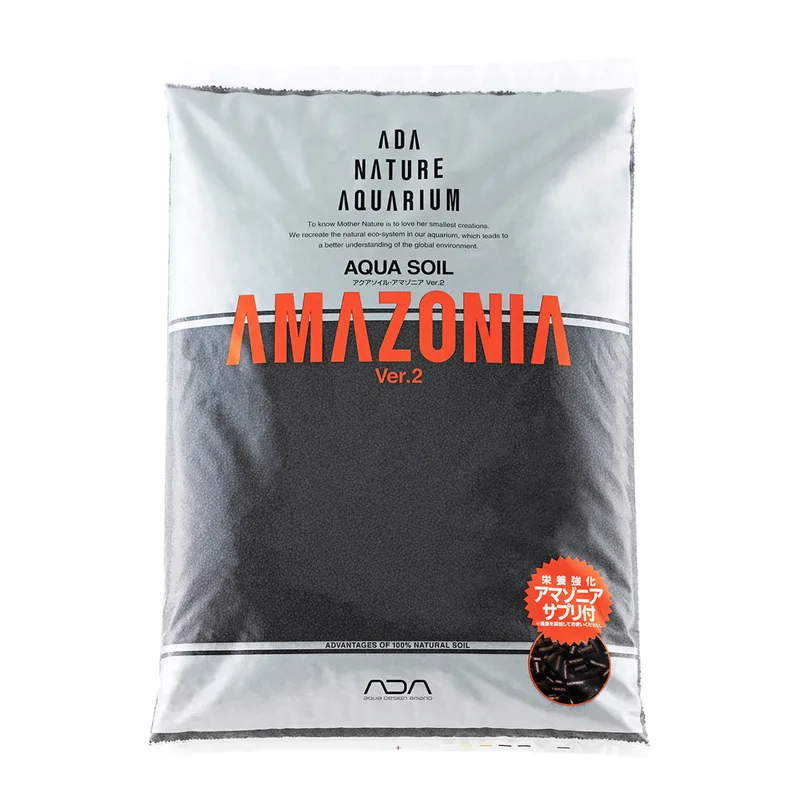
ADA Aqua Soil Amazonia Ver. 2
Best for Caridina- ✓ Industry standard for caridina shrimp and planted tanks
- ✓ Reliable pH buffering to the 6.0-6.5 range
- ✓ Rich in nutrients for plant growth
- ✓ Dark color makes shrimp colors pop
- ✗ Leaches ammonia — extended cycling period required
- ✗ Buffering exhausts after 18-24 months
- ✗ Premium price point
ADA Amazonia is the substrate most serious caridina keepers and aquascapers reach for first. Version 2 maintains the reliable pH buffering that made the original famous while improving consistency between batches.
The soil actively pulls pH down to the 6.0-6.5 range and softens water — exactly what Crystal Red, Bee, and Tiger shrimp need (pH 5.5-6.8, GH 3-5, KH 0-2). This buffering effect is not subtle. Drop Amazonia into a tank with pH 7.5 tap water and watch it settle to 6.2 within a few days.
The tradeoff is ammonia leaching. New Amazonia releases ammonia during the first few weeks, which means an extended cycling period. Expect 4-6 weeks minimum before the tank is safe for shrimp. Do not rush this — ammonia that would merely stress fish will kill shrimp outright.
Buffering capacity lasts 18-24 months depending on water hardness and change frequency. After that, you are looking at a substrate swap or a remineralization strategy shift.
Best for: Caridina shrimp keepers who need reliable pH buffering and are willing to cycle patiently.
2. UNS Controsoil
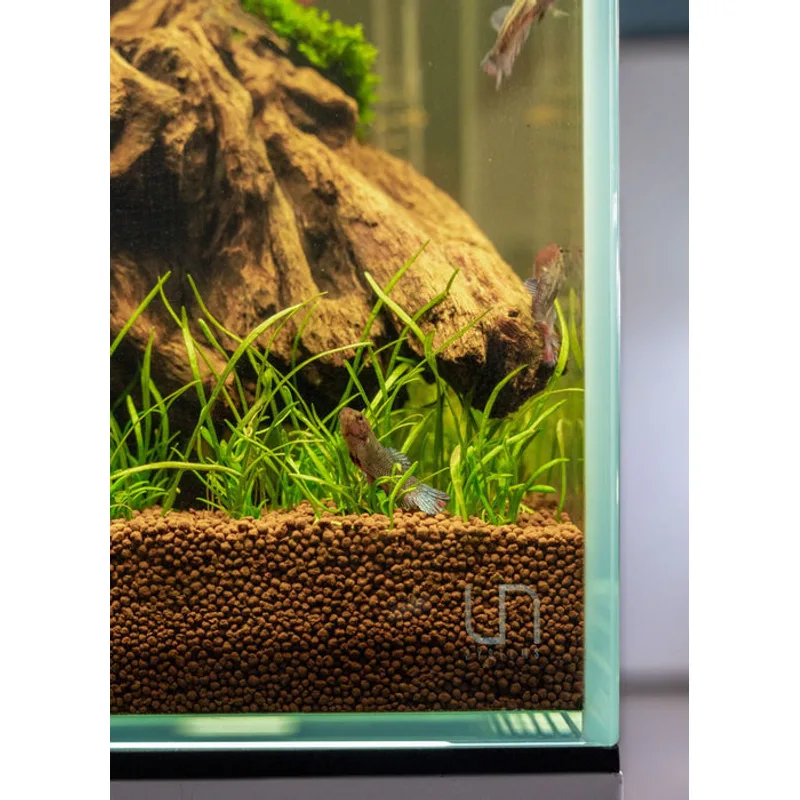
UNS Controsoil
Best Value Active Soil- ✓ Less ammonia leaching than ADA Amazonia
- ✓ Cycles faster — ready for shrimp sooner
- ✓ Consistent granule size and quality
- ✓ Excellent pH buffering for caridina
- ✗ 3L bag covers less area than 9L Amazonia
- ✗ Slightly softer granules — can break down faster
Controsoil from Ultum Nature Systems has become the go-to alternative to Amazonia for shrimp keepers who want less hassle during setup. It buffers pH to a similar range (6.0-6.5) but leaches significantly less ammonia during the initial cycling period.
Less ammonia means a shorter wait before adding shrimp. While Amazonia can take 4-6 weeks to cycle, Controsoil tanks are often ready in 2-3 weeks. For hobbyists setting up multiple shrimp tanks, that time savings is meaningful.
The granules are consistent in size and shape, which looks clean in the tank and provides an even surface for shrimp to forage on. The 3L bag covers a 10-gallon tank at about 1 inch deep — enough for shrimp keeping, though plant-heavy tanks may want a second bag for deeper substrate.
The granules are slightly softer than Amazonia, which means they break down a bit faster over time. Expect the buffering capacity to start weakening around 12-18 months.
Best for: Caridina keepers who want faster cycling and less ammonia hassle.
3. Fluval Stratum
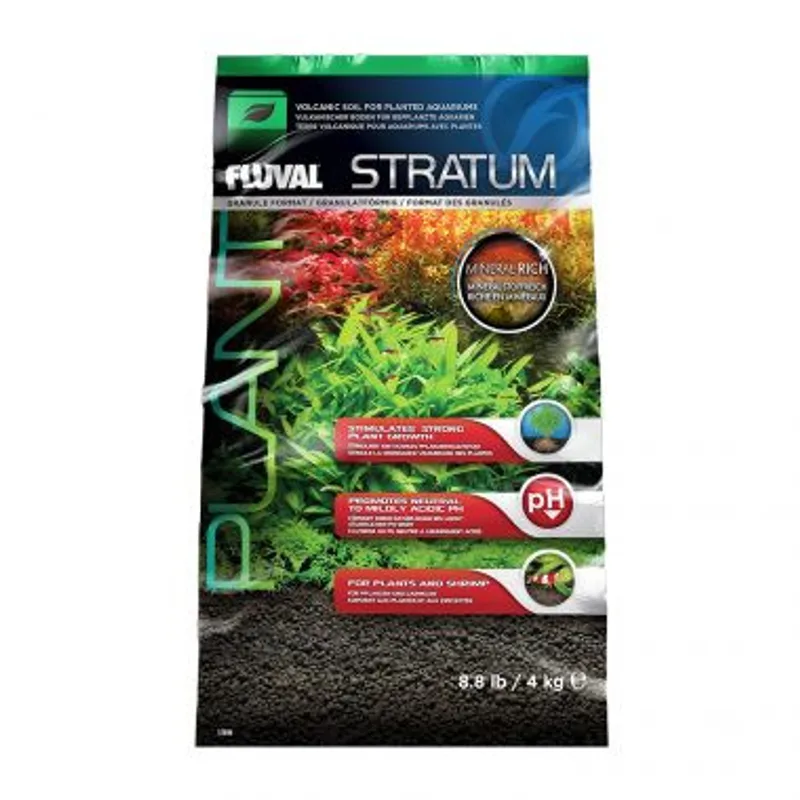
Fluval Stratum
Best Budget Active Soil- ✓ Minimal ammonia leaching for faster cycling
- ✓ Widely available at chain pet stores and Amazon
- ✓ Works for both neocaridina and caridina
- ✓ Porous structure supports beneficial bacteria
- ✗ Lighter buffering than Amazonia or Controsoil
- ✗ Granules are fragile — handle carefully during planting
Fluval Stratum occupies a middle ground between dedicated shrimp soils and inert substrates. It provides gentle pH buffering — enough to keep water on the neutral-to-slightly-acidic side — without the aggressive ammonia leaching of Amazonia.
This makes it versatile. It works for neocaridina tanks where you want slight pH stability without dramatically altering parameters, and it can work for less demanding caridina setups if your source water is already soft. It also supports plant growth well, making it a solid choice for planted shrimp tanks.
The porous volcanic granules provide excellent surface area for beneficial bacteria, and shrimp graze on the biofilm that develops on the textured surface. The granules are lighter and more fragile than clay-based substrates — aggressive gravel vacuuming will break them apart. Gentle siphoning near the surface is the way to go.
Availability is a major advantage. You can find Fluval Stratum at chain pet stores, local fish shops, and Amazon, often on sale. For hobbyists who cannot wait for specialty substrates to ship, it is the easiest active soil to source.
Best for: Neocaridina keepers who want gentle buffering and easy availability.
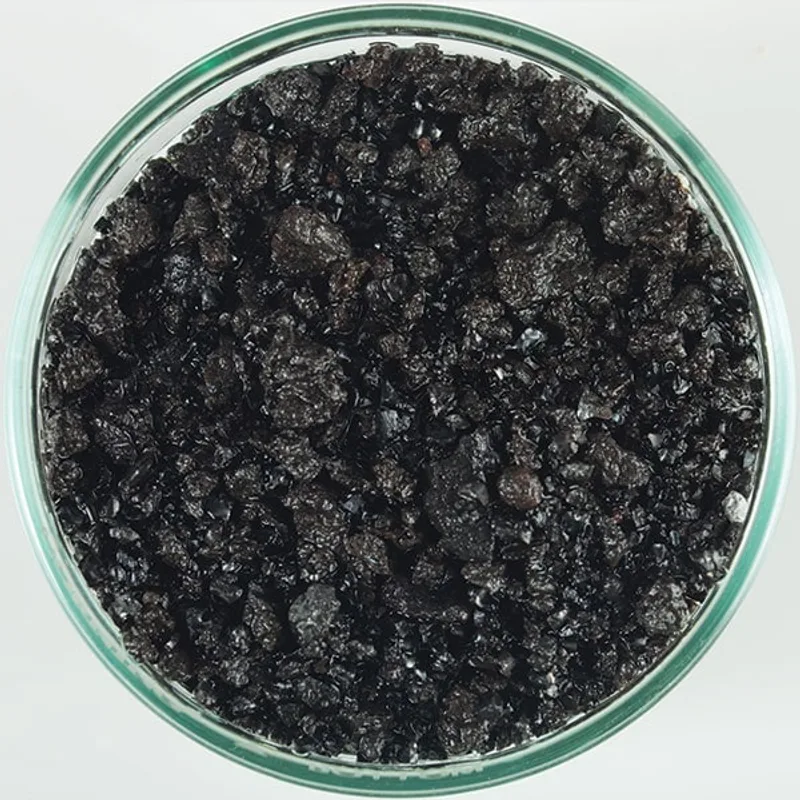
4. Seachem Flourite Black
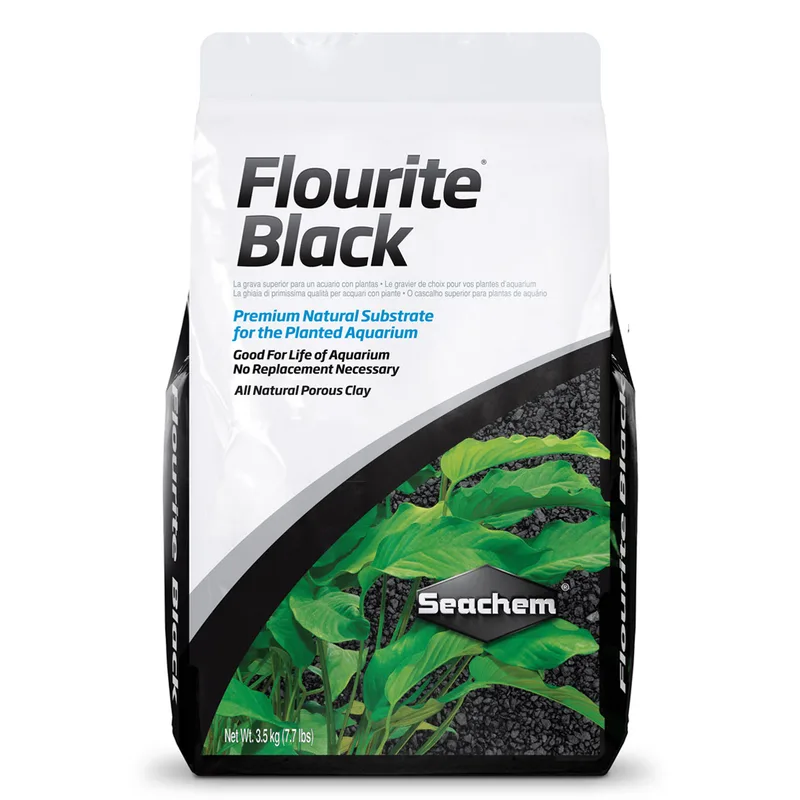
Seachem Flourite Black
Best Inert Substrate- ✓ Does not alter water parameters at all
- ✓ Never needs replacement — lasts indefinitely
- ✓ Porous clay supports beneficial bacteria
- ✓ Excellent for neocaridina tanks with stable tap water
- ✗ No pH buffering — not ideal for caridina
- ✗ Requires extensive rinsing before use
- ✗ Dusty out of the bag — expect cloudy water initially
If your tap water already has parameters suitable for neocaridina (pH 6.5-7.5, GH 6-8), an inert substrate makes the most sense. Flourite Black is a porous clay gravel that provides no pH buffering whatsoever — your water chemistry stays exactly as it is.
The permanence is the selling point. Active soils exhaust their buffering capacity and need replacement. Flourite Black lasts indefinitely. Set it up once and never think about substrate again.
The porous clay structure supports beneficial bacteria colonization and provides some iron for plant roots. It is not as nutrient-rich as dedicated plant soils, but plants like java fern, anubias, and bucephalandra (which feed from the water column) do fine in it.
The major downside is dust. Flourite Black is extremely dusty out of the bag. Plan on 20-30 minutes of rinsing per bag in a bucket before adding it to your tank. Even with thorough rinsing, expect some initial cloudiness that clears within 24-48 hours.
Best for: Neocaridina keepers with suitable tap water who want a permanent, zero-maintenance substrate.
5. CaribSea Eco-Complete
CaribSea Eco-Complete Planted Aquarium Substrate
Best Ready-to-Use- ✓ Pre-rinsed and ready to use out of the bag
- ✓ Contains live bacteria for faster cycling
- ✓ Iron-rich for plant growth
- ✓ Dark color enhances shrimp coloration
- ✗ Not a buffering substrate — will not lower pH
- ✗ Granules are larger than dedicated shrimp soils
- ✗ Shrimp can have trouble foraging in coarse gravel
Eco-Complete is the “just add water” substrate option. It comes pre-rinsed in a liquid suspension that contains live beneficial bacteria, so you can fill your tank and start cycling immediately with no rinsing or prep work.
The substrate is volcanic basalt — dark, iron-rich, and parameter-neutral. It will not buffer pH or soften water, making it another inert option for neocaridina tanks. The included bacteria are a nice touch, though their impact on cycling speed is modest compared to dedicated bacterial starters.
The granules are larger than dedicated shrimp soils, which is worth noting. Small shrimp can have trouble foraging in the gaps between larger gravel pieces. If you keep shrimp on Eco-Complete, consider a finer cap layer or accept that food will settle into the gravel.
Best for: Hobbyists who want zero-prep setup with an inert, plant-friendly substrate.
Comparison Table
| ADA Aqua Soil Amazonia Ver. 2 Best for Caridina | UNS Controsoil Best Value Active Soil | Fluval Stratum Best Budget Active Soil | Seachem Flourite Black Best Inert Substrate | CaribSea Eco-Complete Planted Aquarium Substrate Best Ready-to-Use | |
|---|---|---|---|---|---|
| Rating | 9.4/10 | 9.1/10 | 8.7/10 | 8.3/10 | 8/10 |
| Price | $62.99as of Sep 27, 2026 | $28.34-$31.73as of Sep 27, 2026 | $30.99as of Sep 27, 2026 | $28.59as of Sep 27, 2026 | Unavailable |
| Type | Active buffering soil | Active buffering soil | Volcanic soil granules | Inert clay gravel | Inert volcanic basalt |
| Volume | 9 liters | 3 liters | — | — | — |
| pH Buffering | Lowers to ~6.0-6.5 | Lowers to ~6.0-6.5 | Gentle — neutral to slightly acidic | None — pH neutral | None — pH neutral |
| Ammonia Leach | Moderate (cycle required) | Low | Very low | None | None |
| Weight | — | — | 8.8 lbs | 15.4 lbs | 20 lbs |
| Check Price → | Check Price → | Check Price → | Check Price → | Check Price → |
Prices change daily — tap Check Price for the current Amazon price. Numbers shown were verified on the "as of" date.
Shrimp Substrate Buying Guide
Active vs. Inert: Which Do You Need?
The decision comes down to your shrimp species and water source:
Choose active (buffering) substrate if:
- You keep caridina shrimp (Crystal Red, Bee, Tiger) that need pH 5.5-6.8
- Your tap water is too hard or alkaline for your shrimp species
- You want the substrate to manage pH for you
Choose inert substrate if:
- You keep neocaridina shrimp (Cherry, Blue Dream) that thrive at pH 6.5-7.5
- Your tap water already has suitable parameters
- You want a permanent substrate that never needs replacement
How Deep Should Shrimp Substrate Be?
For shrimp-only tanks: 1-1.5 inches is sufficient. Shrimp do not need deep substrate — they forage on the surface.
For planted shrimp tanks: 2-3 inches provides root depth for stem plants and carpeting plants. Slope the substrate from front to back for depth and visual appeal.
Substrate Lifespan
Active soils (Amazonia, Controsoil, Stratum) exhaust their buffering capacity over time:
- ADA Amazonia: 18-24 months
- UNS Controsoil: 12-18 months
- Fluval Stratum: 12-18 months
When buffering exhausts, pH begins drifting upward. You can either replace the substrate (disruptive) or switch to chemical buffering methods (remineralizers, RO water).
Inert substrates (Flourite, Eco-Complete) last indefinitely and never need replacement.
Frequently Asked Questions
Can I use regular gravel for a shrimp tank?
Yes, for neocaridina. Plain gravel is inert and will not alter parameters. It works fine if your tap water is suitable. For caridina, you need a buffering substrate to maintain the low pH and soft water they require.
How long does active soil buffer pH?
Most active soils maintain their buffering capacity for 12-24 months depending on the brand and your water change routine. Harder source water exhausts buffering faster because the soil works harder to pull pH down.
Do I need to rinse aquarium soil before use?
Active soils (Amazonia, Controsoil, Stratum) should NOT be rinsed — rinsing removes nutrients and buffering compounds. Inert substrates (Flourite, gravel) should be rinsed thoroughly to remove dust and debris.
Can I mix active soil with inert substrate?
You can, but it dilutes the buffering effect. Some hobbyists use a layer of active soil under a cap of inert sand for a clean look, but the buffering capacity is reduced and the layers eventually mix during maintenance. For caridina, use 100% active soil.
What substrate is best for neocaridina specifically?
Neocaridina prefer pH 6.5-7.5 with GH 6-8 and TDS 150-250. If your tap water hits these parameters, an inert substrate like Flourite Black or Eco-Complete is the simplest choice. If your tap water is too soft or acidic, Fluval Stratum provides gentle buffering without the aggressive pH drop of Amazonia.
Conclusion
For caridina shrimp, the ADA Aqua Soil Amazonia Ver. 2 remains the gold standard for pH buffering and plant growth — just plan for a longer cycling period. If you want similar buffering with less hassle, UNS Controsoil gets you there faster.
For neocaridina, the choice is simpler. If your tap water parameters are already suitable (pH 6.5-7.5, GH 6-8), grab Seachem Flourite Black and never think about substrate again. If you want some buffering flexibility, Fluval Stratum splits the difference nicely.
Match your substrate to your shrimp species and water source, and the foundation of your tank will take care of itself.